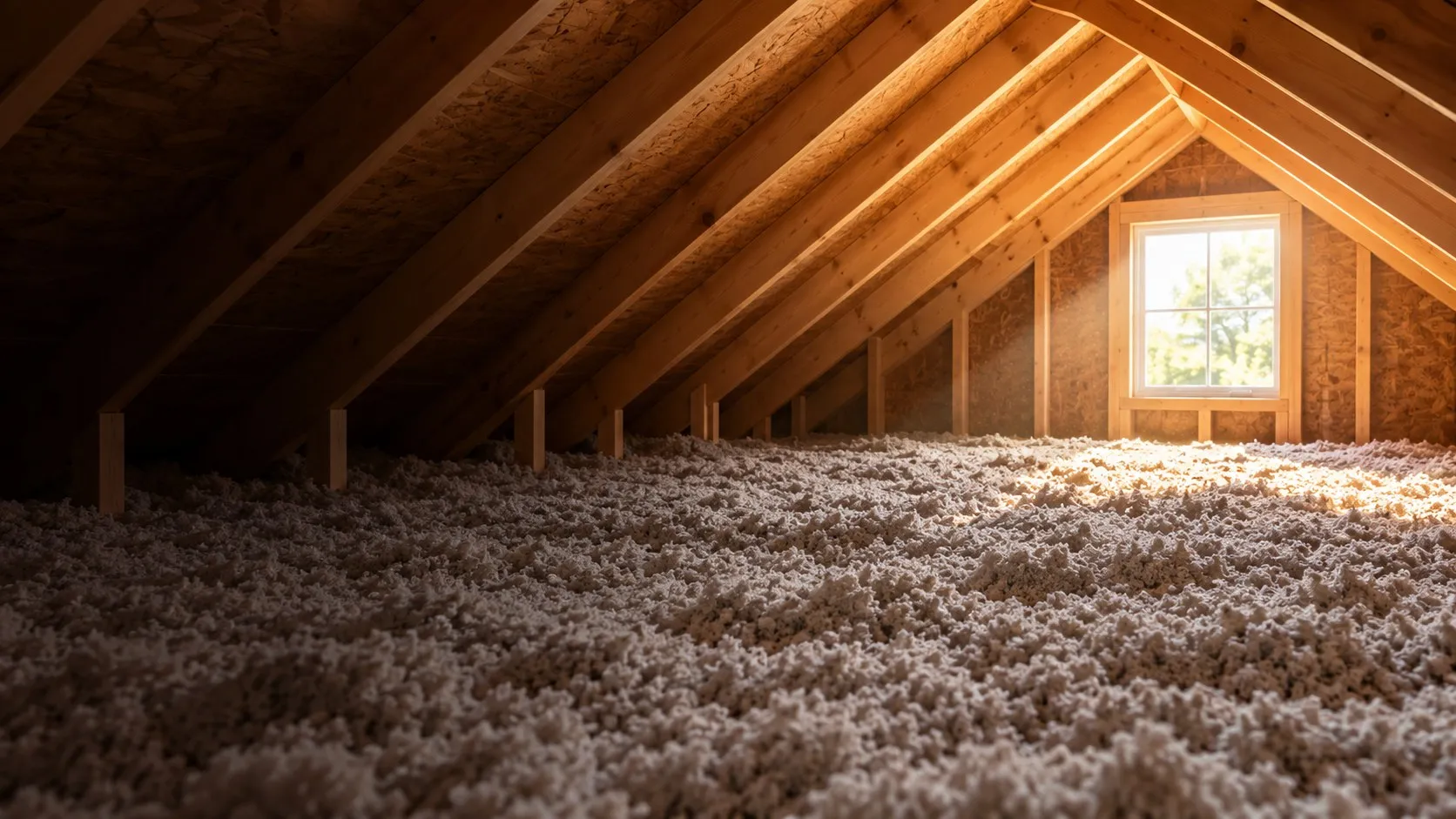
Attic · Walls · Crawl space · Garage · Spray foam
Know exactly how much
insulation you need
Get the right R-value, how many bags to buy, what it will cost, and step-by-step guidance — whether you do it yourself or hire a professional.
- Free to use
- No email required
- Every number explained
Start your insulation calculator
Get a personalized recommendation for your home.
Your ZIP sets the climate zone these figures are based on
What you'll getAdd your ZIP to see these
- Target
- —
- Material
- —
- DIY cost
- —
- No signup
- No email required
- Takes about a minute
Where our numbers come from
Full methodology- U.S. Department of EnergyRecommended insulation levels for existing homes
- ENERGY STARTarget R-value by climate zone
- IECC climate zonesZone boundaries used to set your target
- Manufacturer coverage dataBag coverage and R-value per inch
We reference these standards as sources. We are not affiliated with, endorsed by, or certified by any of them.
What are you insulating?
Each area has a different target R-value, a different install method, and a very different cost per square foot.
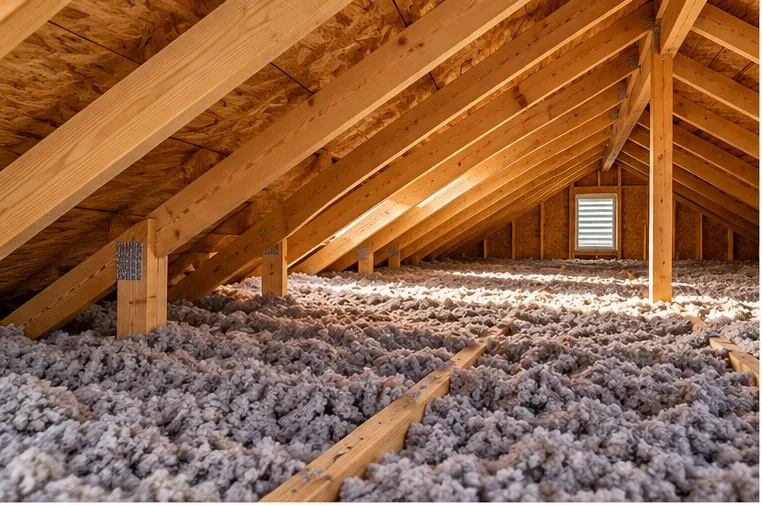
Attic
The biggest win in most homes. Depth is unlimited, so it is the cheapest R-value you can buy.
Calculate for attic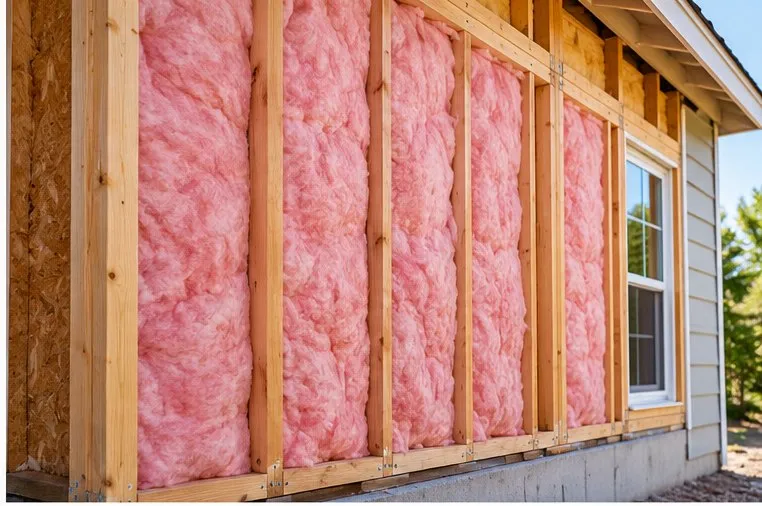
Walls
Cavity fill between studs. Capped by framing depth — a 2x4 wall tops out near R-15.
Calculate for walls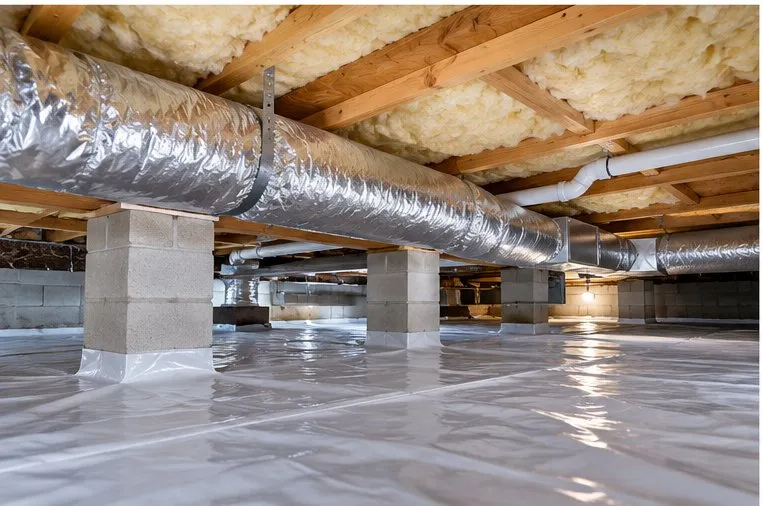
Crawl space
Warmer floors and less humidity. Insulate the floor above, or the walls if sealed.
Calculate for crawl space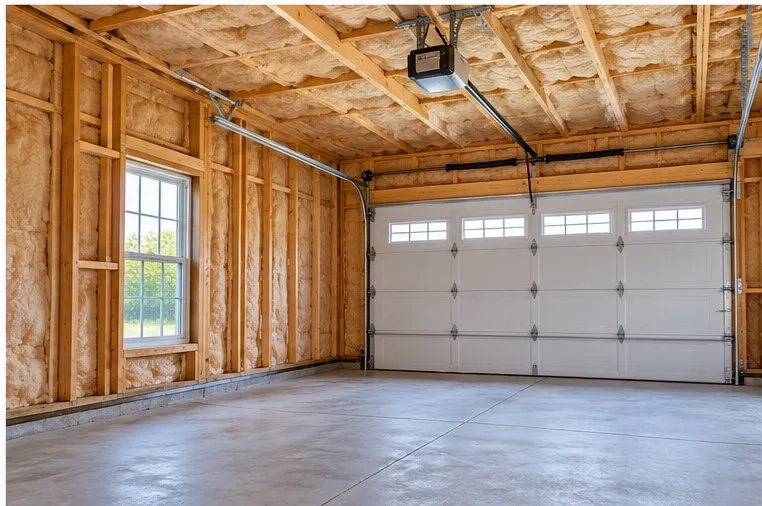
Garage
Worth doing where there is living space above or behind it. Rarely worth it otherwise.
Calculate for garageRecommended materials
Everything you need for a typical attic project
Quantities for a 1,240 sq ft attic adding R-45. The calculator produces this list for your own dimensions — including the air sealing and safety gear most estimates leave out.
Get a personalized list for your project
- Essential
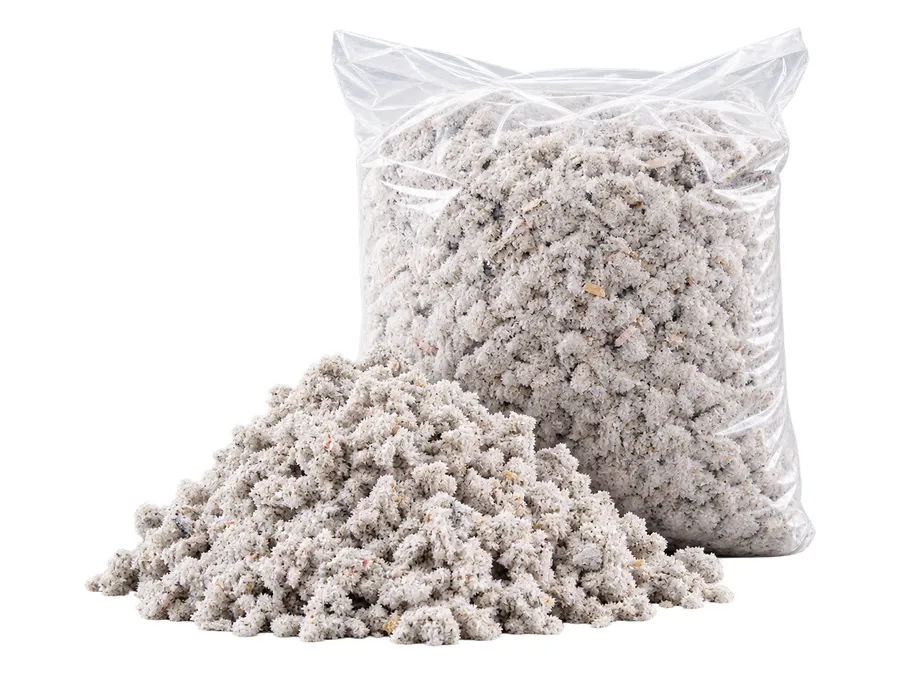
Blown-in cellulose
52 bags
Covers 1,240 sq ft at R-45, including 10% waste.
- Recommended
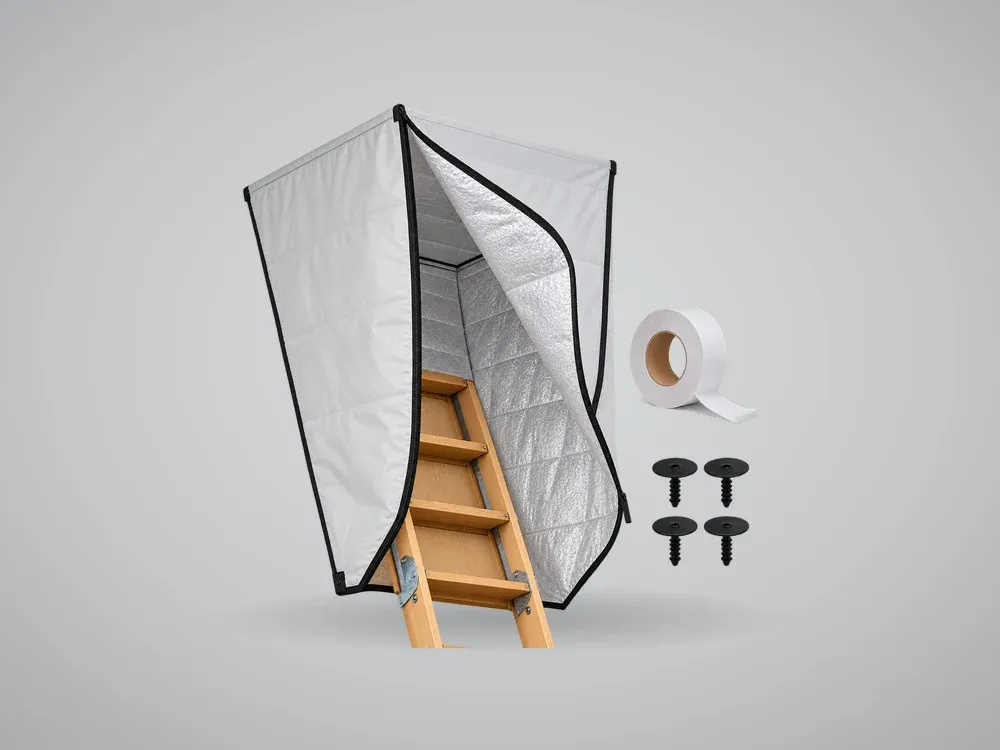
Attic ladder insulation cover
1 each
A zipped, insulated tent over the hatch from inside the attic.
- Essential
Acoustical or latex sealant
6 tubes
Seals top plates and the smaller gaps expanding foam is too coarse for.
- Essential
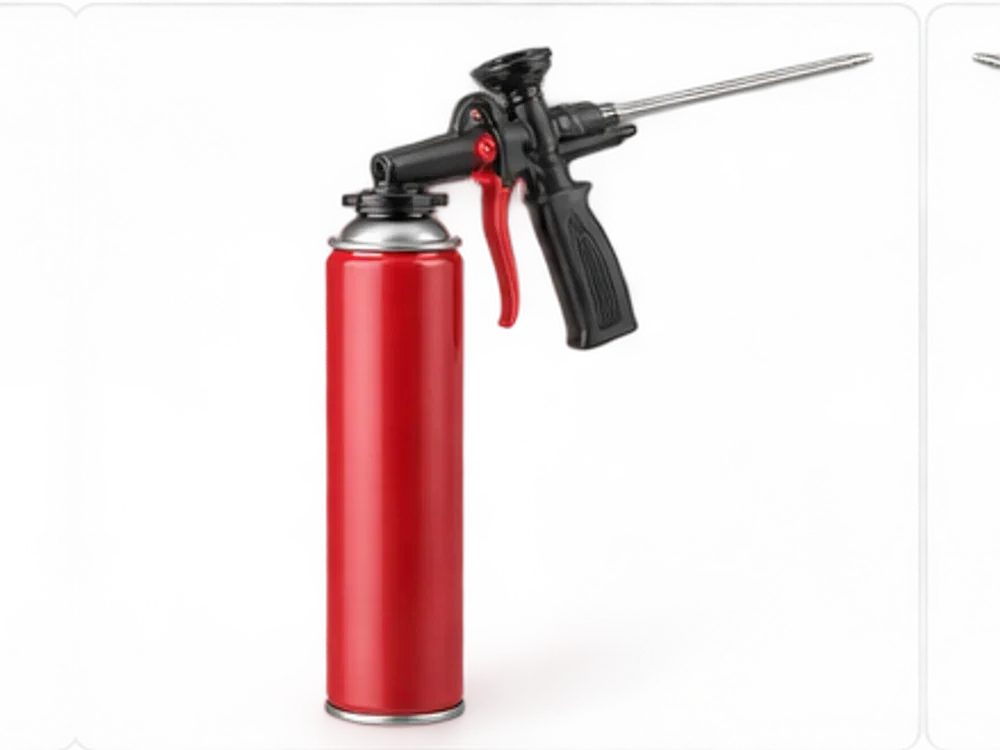
Fire-rated expanding foam
3 cans
Seals gaps around flues, wiring and plumbing penetrations.
- Recommended
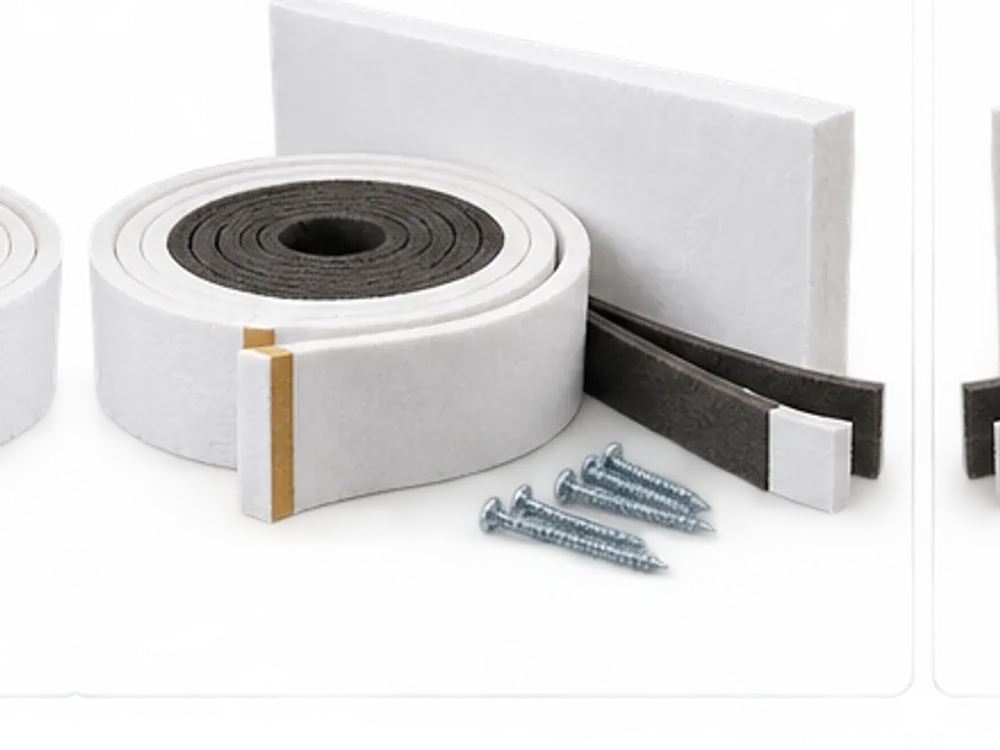
Attic hatch weatherstrip kit
1 kit
An uninsulated hatch undoes a surprising share of the work — it is a hole in the ceiling you just spent a weekend insulating around.
- Recommended
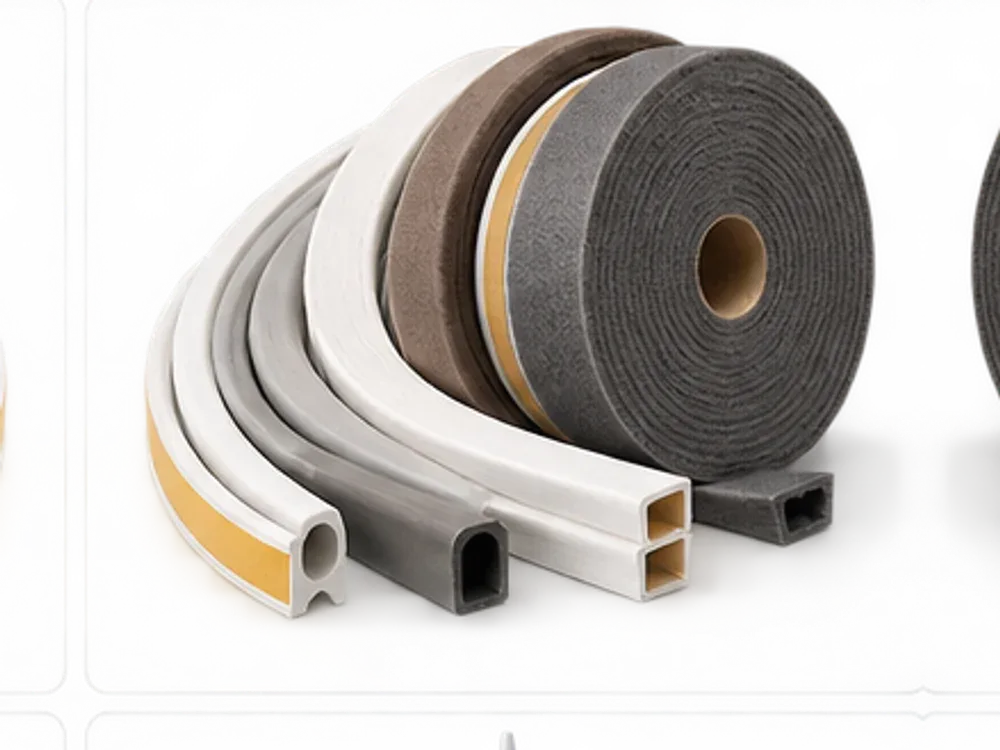
Door and window weatherstripping
2 rolls
The leaks you can feel, and the cheapest ones to close.
- Recommended
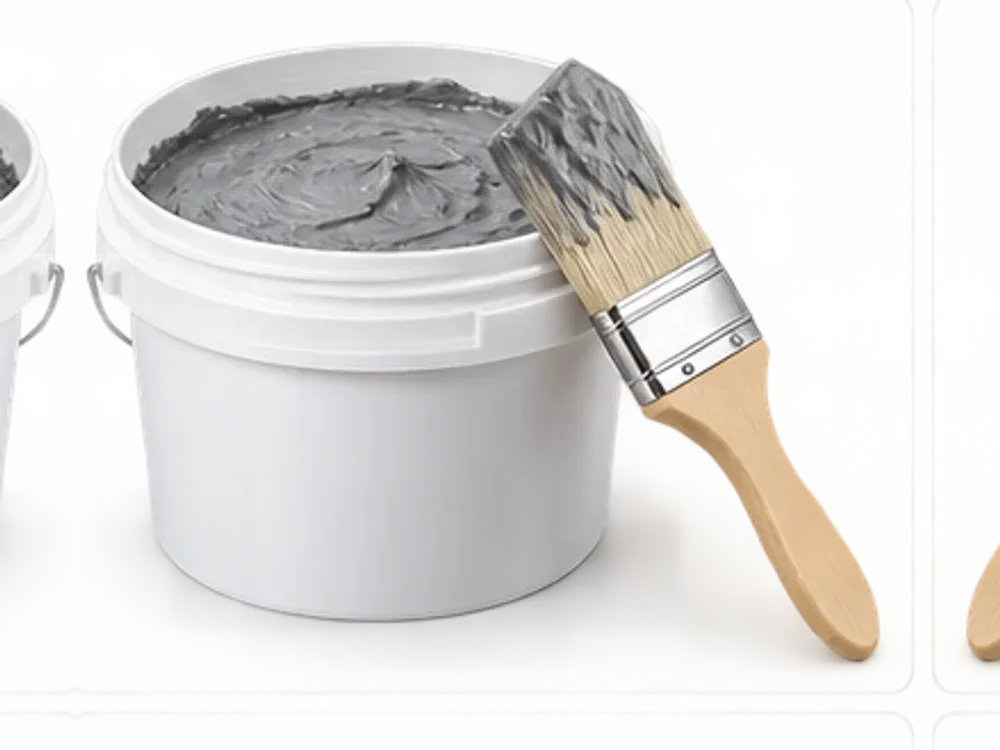
Duct sealing mastic
1 tub
If ducts run through the attic or crawl space, they are leaking conditioned air into a space that is effectively outdoors.
- Recommended
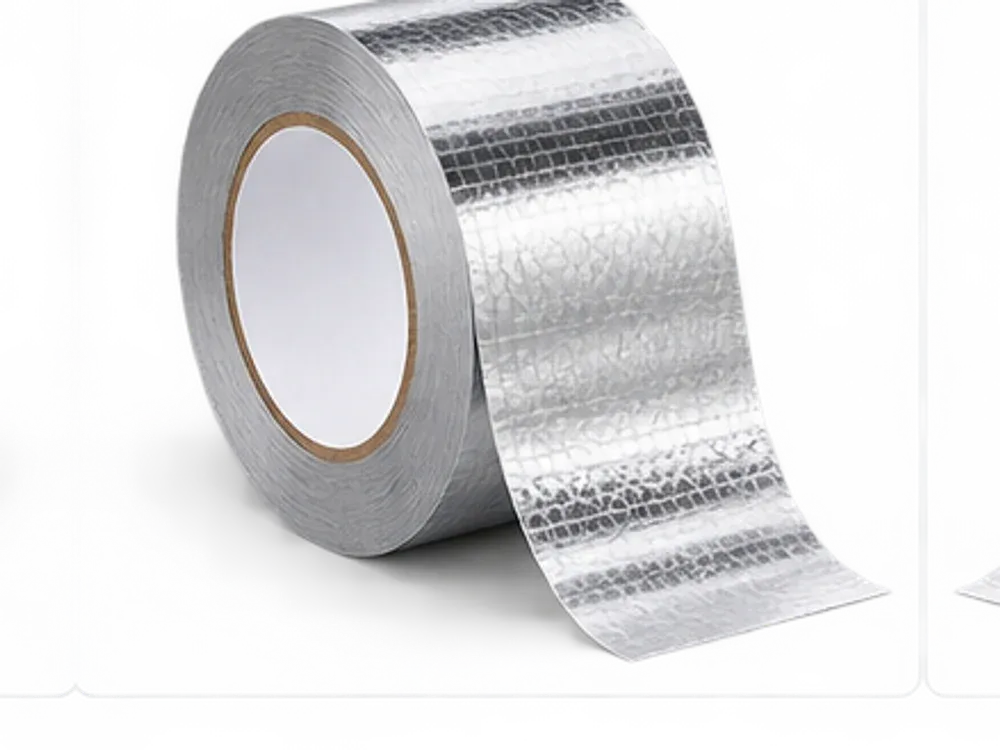
Foil HVAC tape
2 rolls
For duct joints and seams. Cloth duct tape fails within a couple of years in an attic; foil tape is what the name was supposed to mean.
- Essential
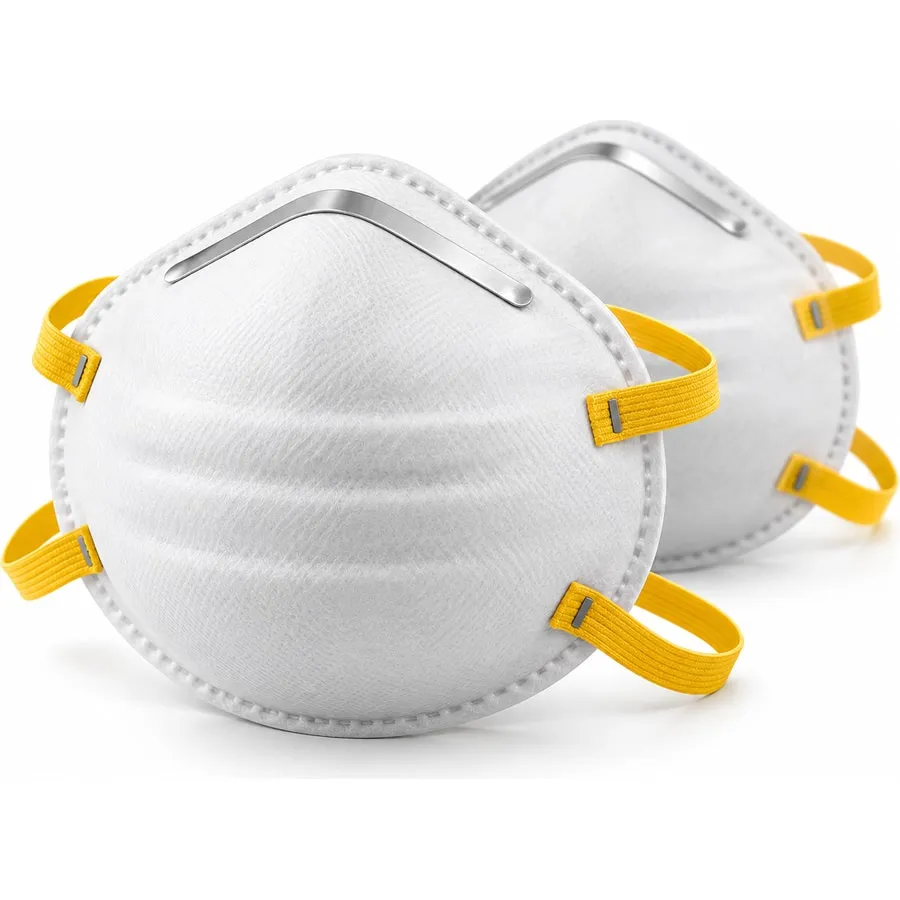
N95 disposable mask
1 each
The minimum for loose fibers and settled attic dust, and the one item never to skip.
- Essential

Sealed safety goggles
1 each
Sealed rather than open-sided, because you will be working below the material and looking up into it.
- Essential

Work gloves
1 each
Fiberglass irritates skin on contact and the fibers are hard to wash out afterwards.
- Recommended

Disposable coveralls
1 each
Fiberglass in clothing is genuinely unpleasant and survives a wash.
- Recommended

Half-mask respirator
1 each
Reusable, seals far better than a disposable, and takes P100 cartridges.
- Recommended

Hearing protection
1 each
An insulation blower running in an enclosed attic is loud enough to matter over a full day.
- Recommended
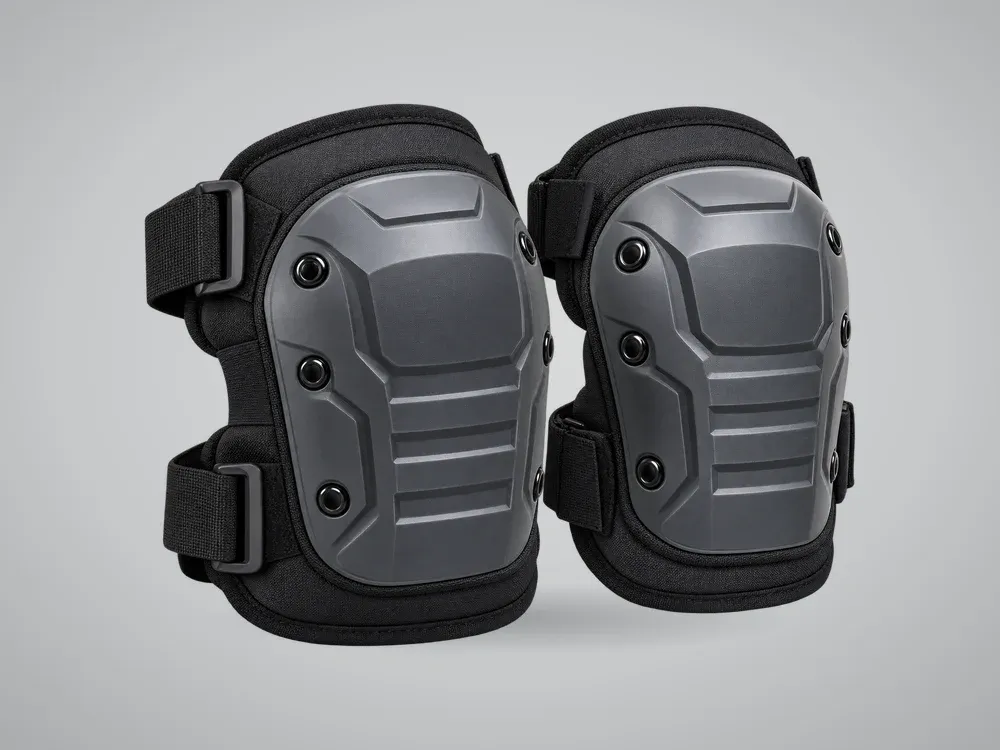
Knee pads
1 each
Hours spent kneeling on joists or a crawl space floor.
- Recommended
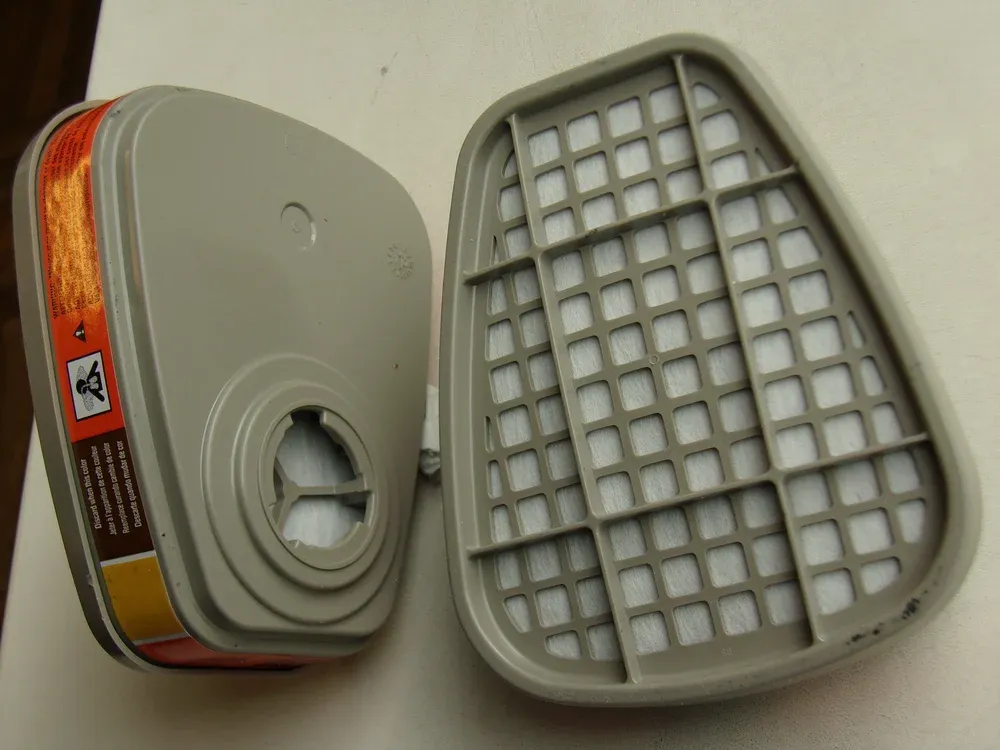
P100 replacement cartridges
1 each
Cartridges load up and stop filtering, and a half-mask with spent cartridges is a false sense of safety.
- Essential
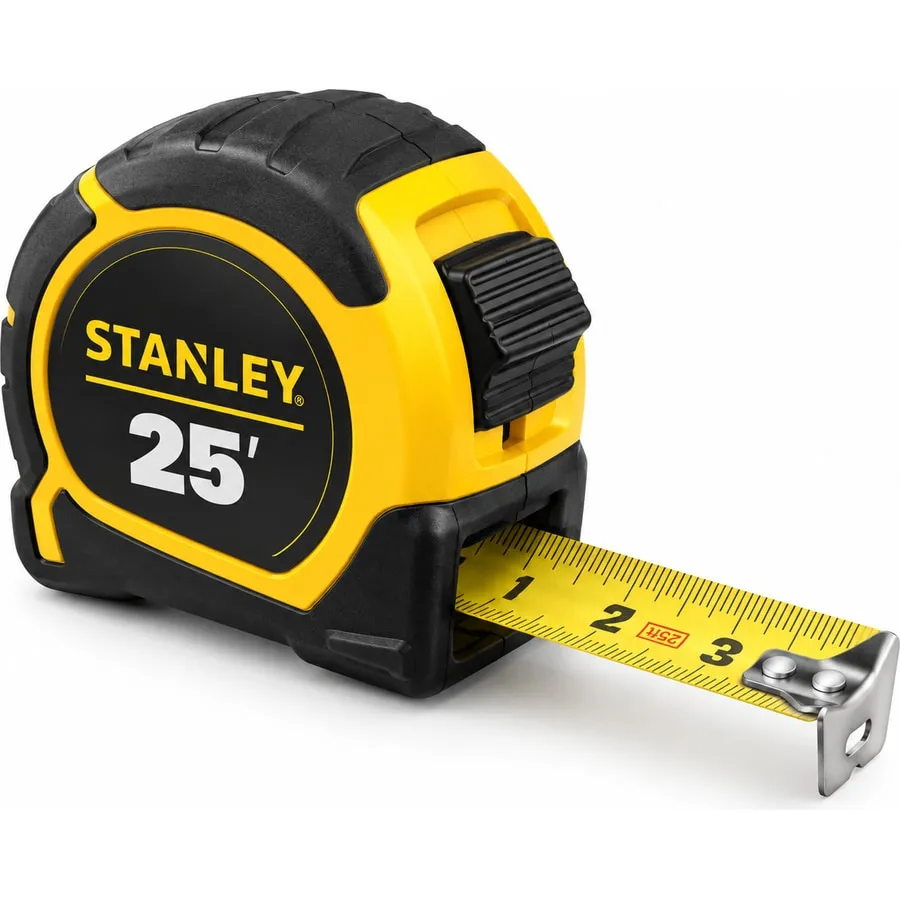
Tape measure
1 each
For the area figure this calculator runs on, and for cutting batts to the cavity.
- Recommended
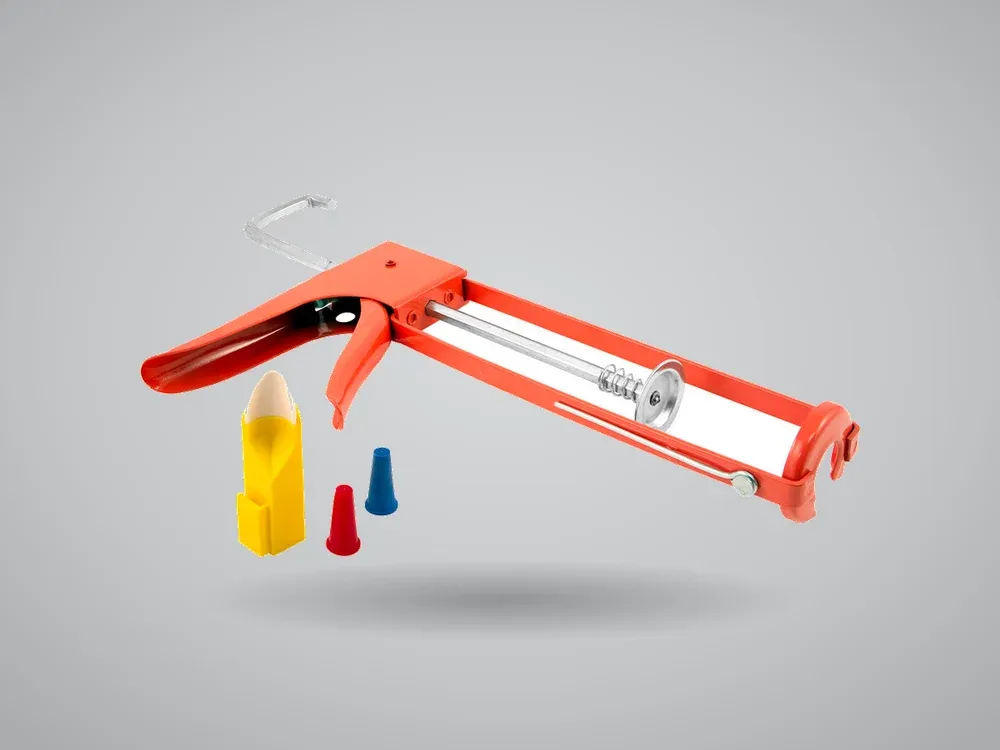
Caulk gun
1 each
A dripless frame is worth the small premium when you are working above your head.
- Recommended

Moisture meter
1 each
Check the joists and subfloor before you cover them.
- Recommended
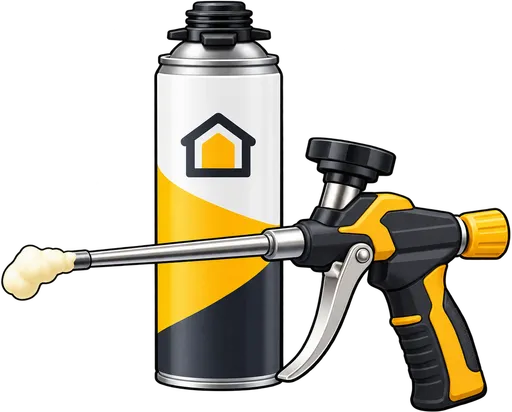
Professional foam applicator gun
1 each
Controls the bead far better than a straw can, and lets you stop and restart a can over several days instead of wasting it.
- Recommended
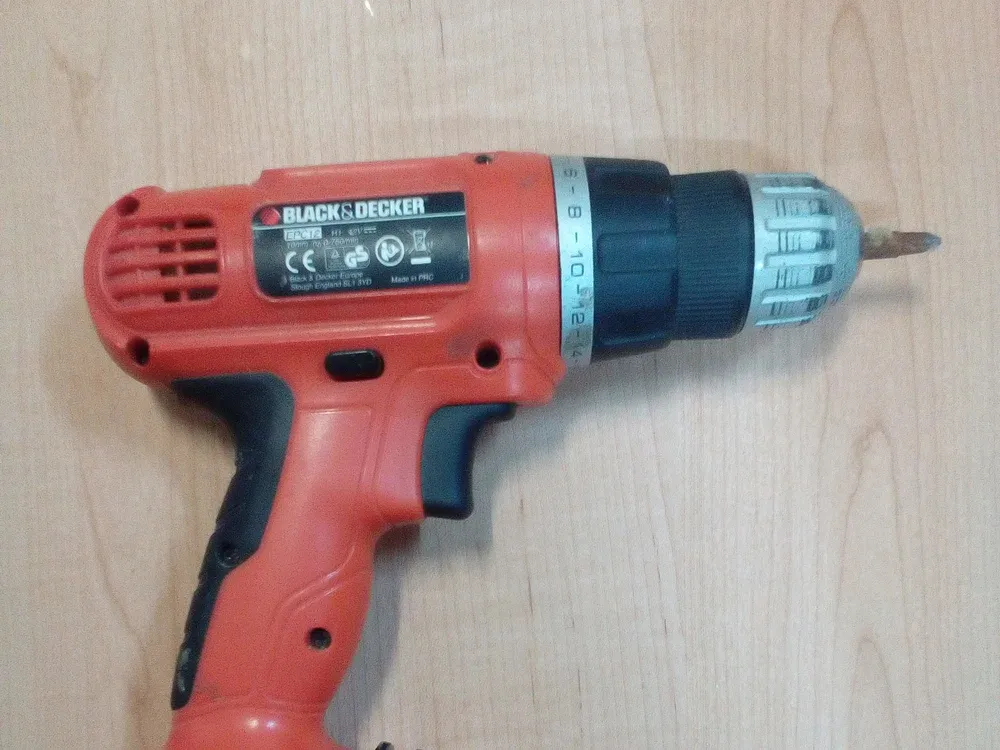
Cordless drill
1 each
For baffles, supports, hatch hardware and furring.
- Recommended
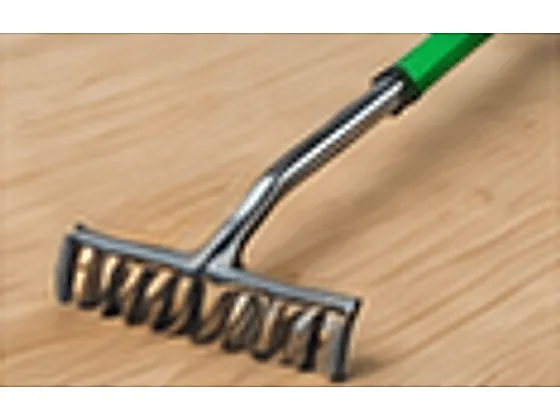
Insulation rake
1 each
Levels blown material to an even depth. Uneven depth means the thin spots set your real R-value, not the average.
- Recommended

Rechargeable headlamp
1 each
Keeps both hands free while measuring or placing insulation, which matters when you are balancing on joists in the dark.
- Recommended

Rechargeable work light
1 each
A headlamp lights where you look; a standing light lights the whole bay so you can see what you have missed.
- Recommended
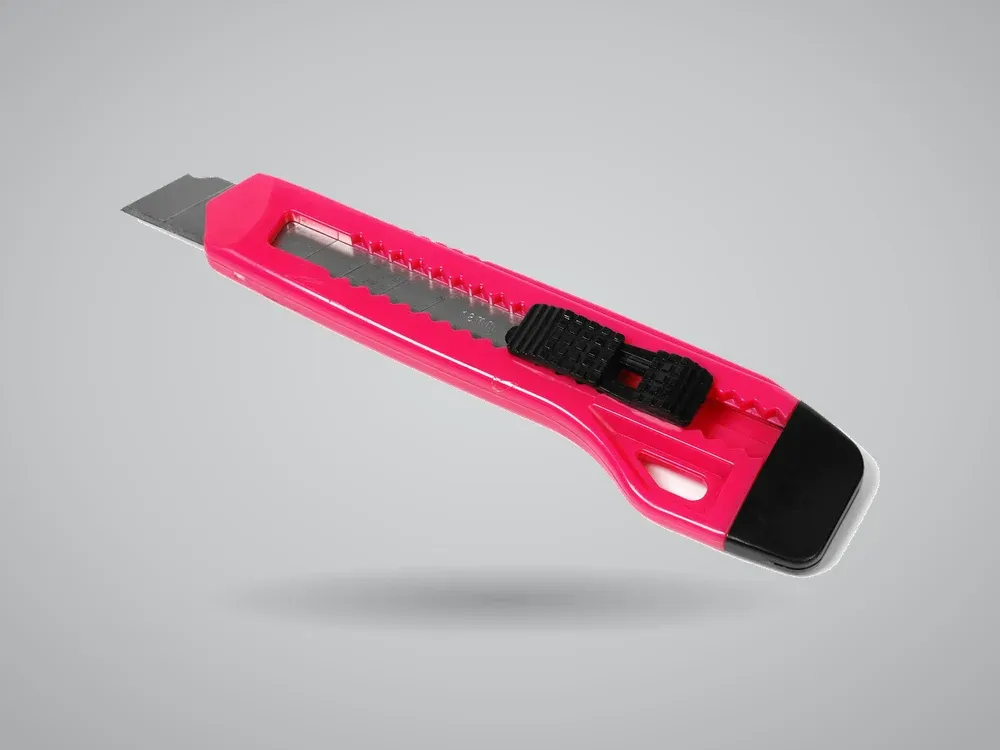
Utility knife
1 each
For packaging, facing, baffles and board. Keep spare blades to hand.
- Essential

Insulation blower rental
1 rental
Usually free with a minimum bag purchase — ask before paying.
- Essential
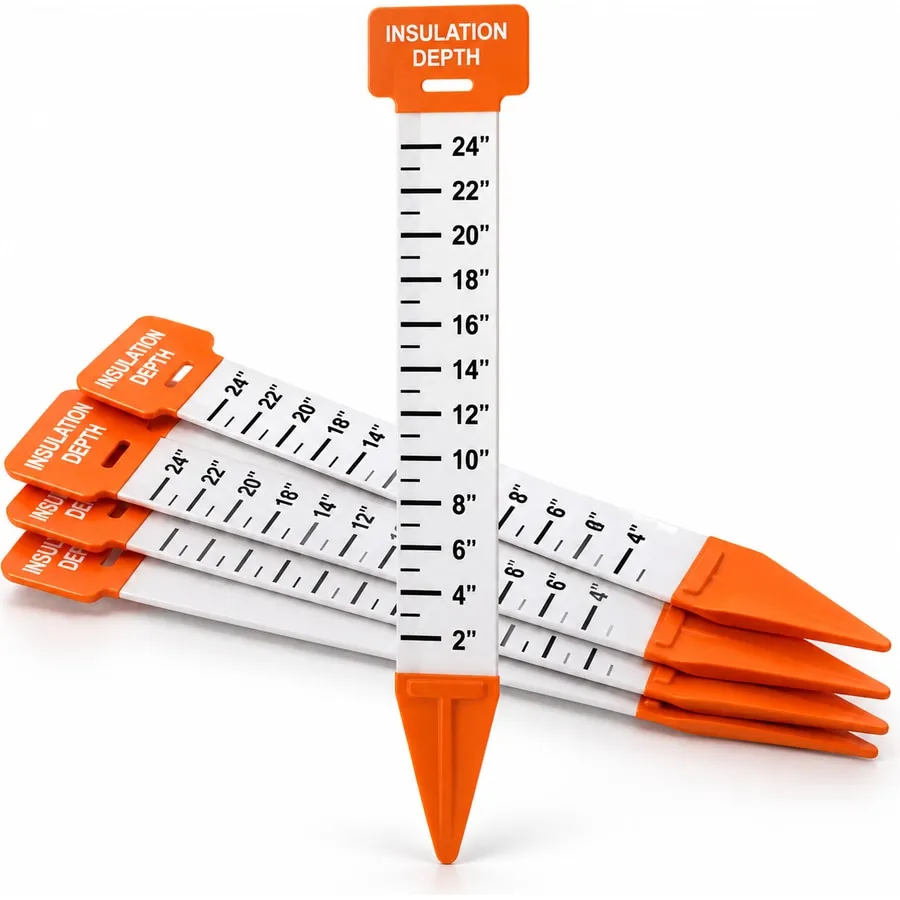
Insulation depth markers
5 markers
The only practical way to confirm you hit target depth across the whole area.
- Essential
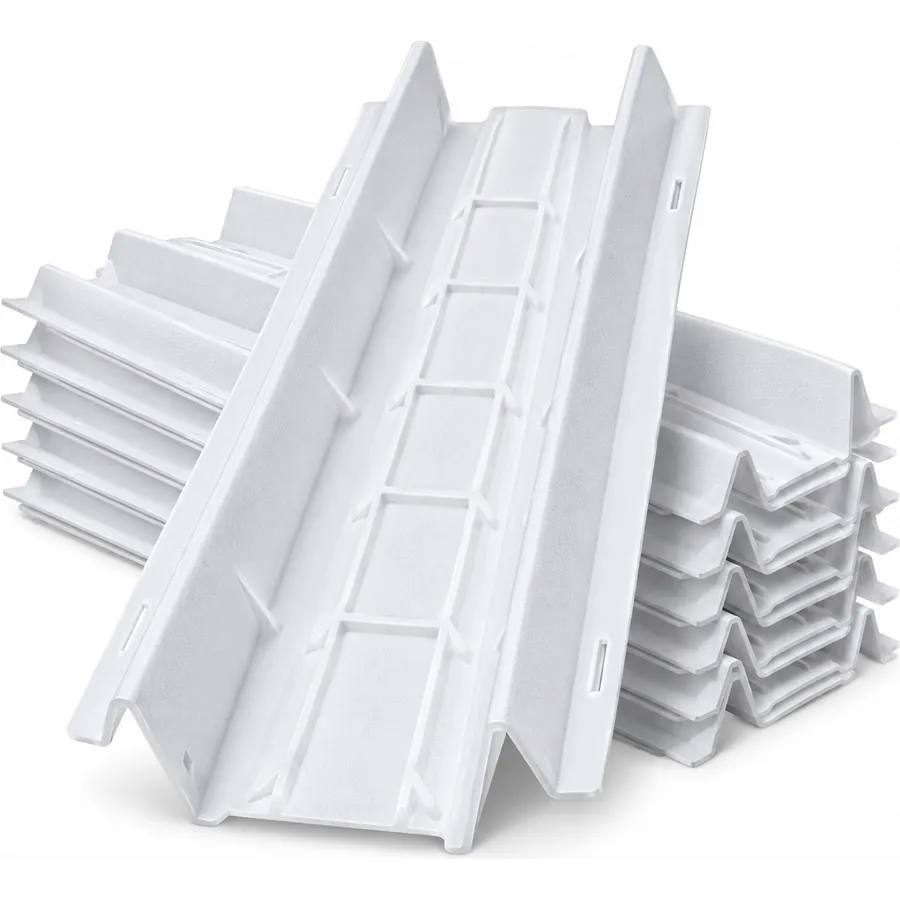
Rafter vent baffles
31 baffles
One per rafter bay. Blocked soffit vents cause moisture and ice dams.
- Recommended
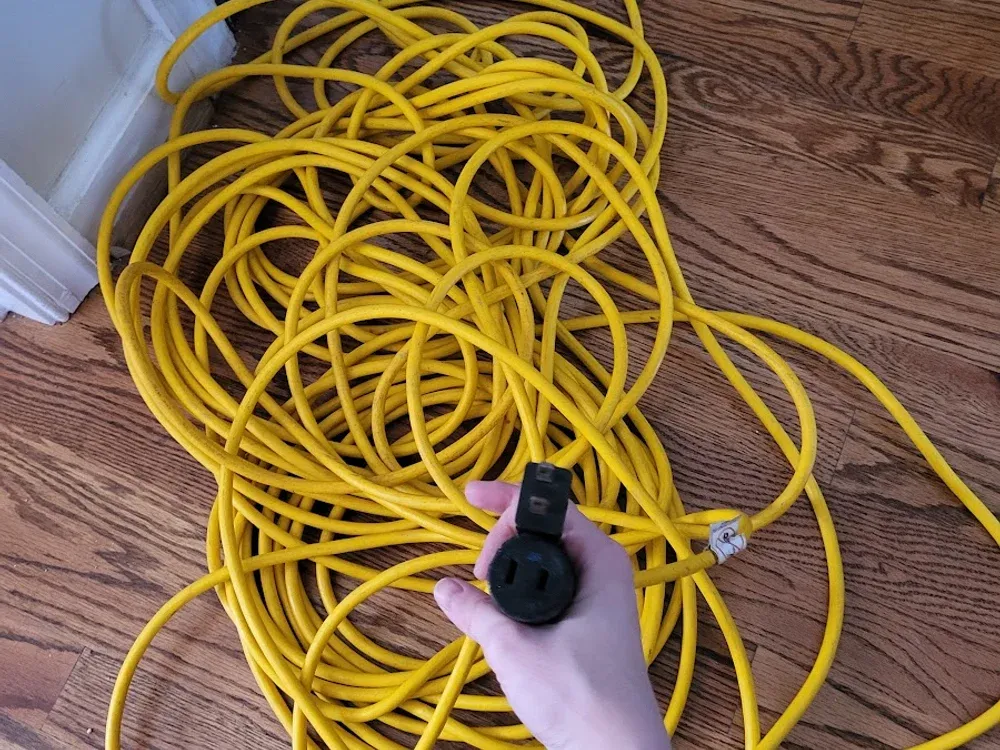
Heavy-duty extension cord
1 each
Attics and crawl spaces rarely have an outlet.
- Recommended
Plywood walk boards
2 sheets
Spreads your weight across the joists. Stepping through a ceiling is common.
- Recommended
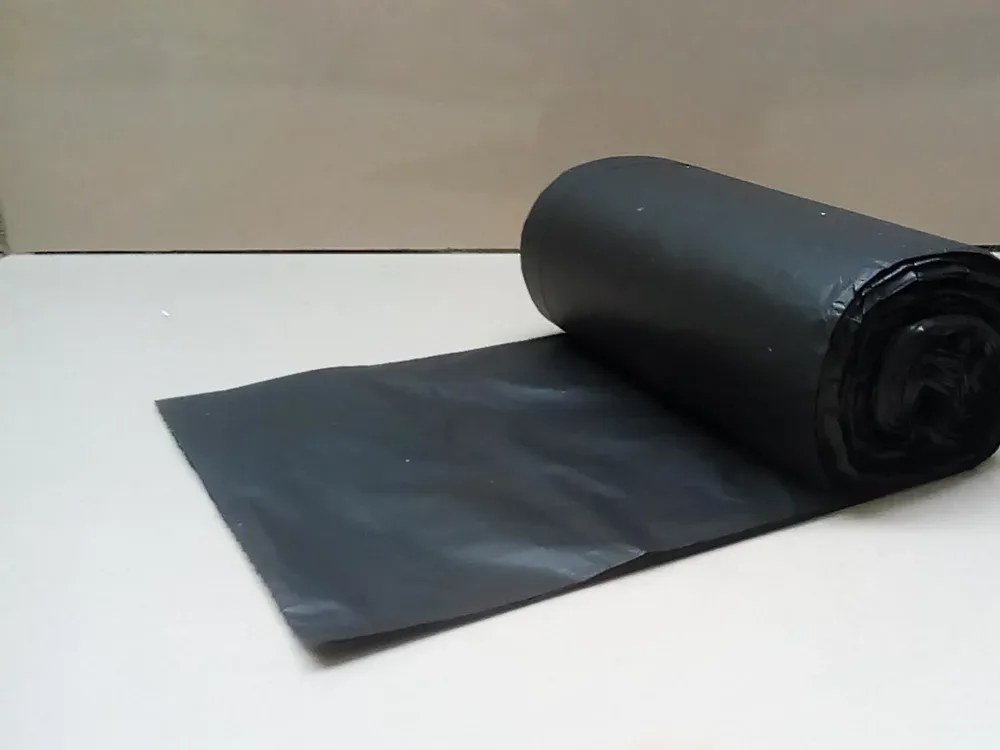
Contractor trash bags
1 box
Heavy enough for insulation offcuts and old material without splitting on the way down the ladder.
Retailer buttons open a search at that store — exact products and pack sizes vary by location.
We don't show live retailer prices, because they change constantly and we have no approved product feed — the buttons take you to each retailer to check the current price yourself. Estimated material cost for this project is $610–$980, from our own assumptions rather than live retail pricing. Some retailer links are affiliate links, which may earn us a commission at no additional cost to you. As an Amazon Associate we earn from qualifying purchases. What we recommend is decided by the job, never by commission. Our affiliate disclosure
- Current pricingchecked at the retailer
- Chosen by usnot paid placements
- Helps supportour free calculators
DIY installation in four steps
Most attics are a one-day job for two people. The order matters — each step gets harder once the next one is done.
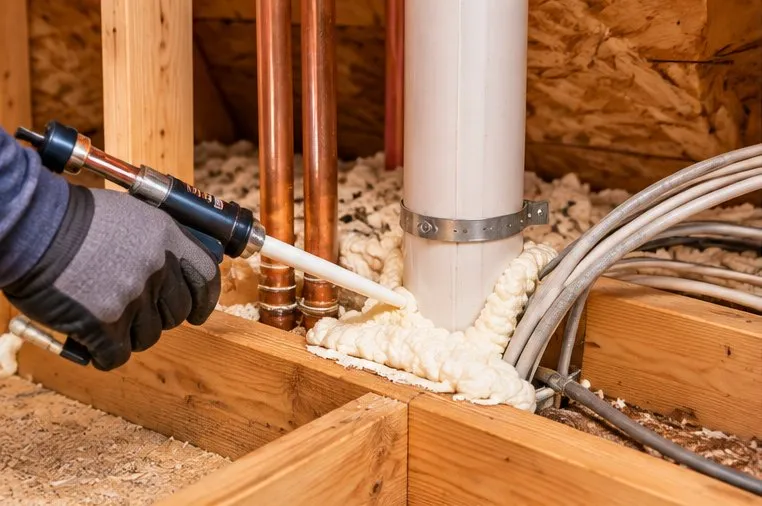
Step 1: Air seal
Foam and caulk the gaps around flues, wiring, plumbing, and top plates.
Do this first. Once insulation is down you cannot reach any of it.
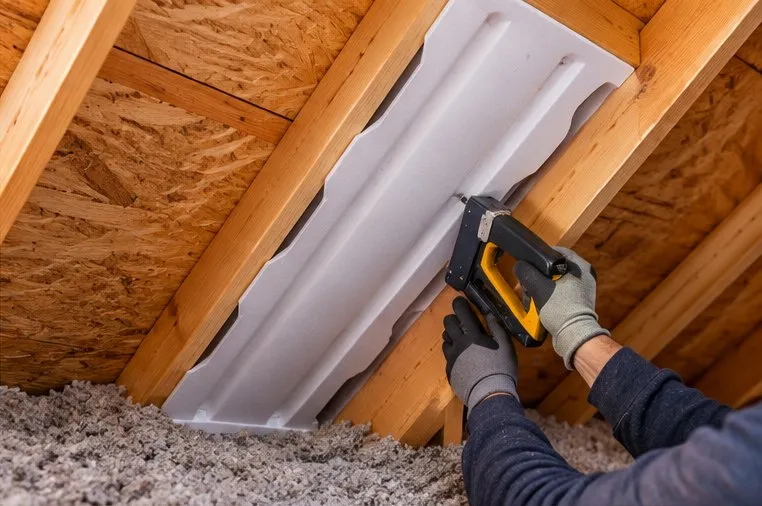
Step 2: Install baffles
Staple a vent baffle into each rafter bay at the eaves.
Blocked soffit vents cause moisture build-up and ice dams.
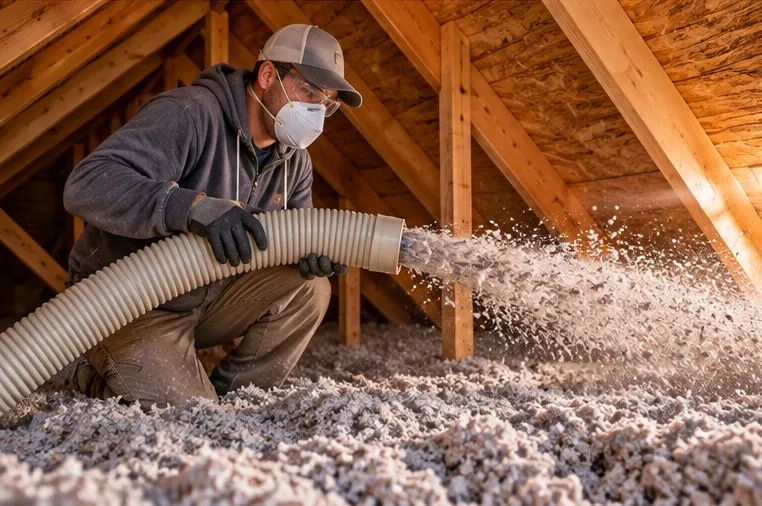
Step 3: Add insulation
Blow or lay to the depth your calculation calls for, working back toward the hatch.
Set depth markers first — judging depth by eye is unreliable.
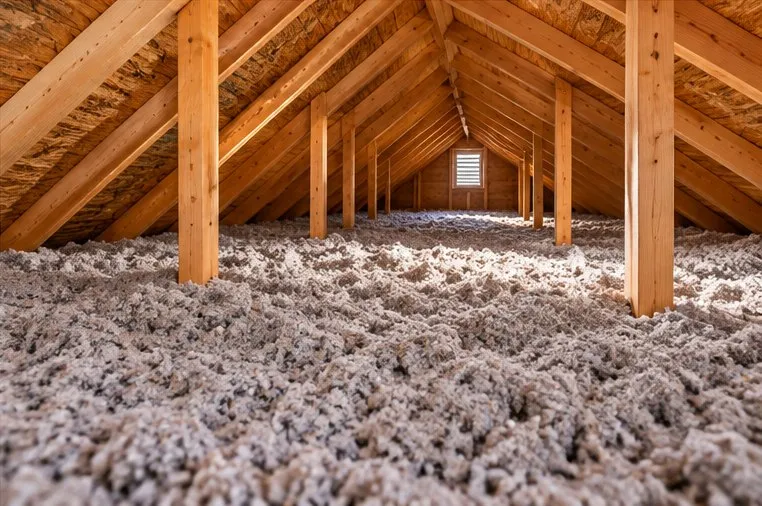
Step 4: Check and clean up
Walk the depth markers, fill low spots, then insulate the hatch itself.
An uninsulated hatch undoes a surprising share of the work.
Based on the example above
Hire a pro, or do it yourself?
Attic insulation is one of the most cost-effective home upgrades — but the right choice depends on your attic, not on averages.
- Attic area
- 1,240 sq ft
- Current → target
- R-15 → R-60
- Depth to add
- 12.9"
Professional installation
$2,050–$4,100
Installed, with material, labor and cleanup. Local quotes are the way to turn this range into a real price.
- Low clearance or difficult attic access
- Removing old, wet, or contaminated insulation
- Air sealing and baffles done in the same visit
- Contractor handles installation and cleanup
Free and no obligation. We pass your project to insulation professionals who cover your area; they contact you with prices. We are paid by them, which is what keeps the calculators free.
How to compare the quotes you getPrefer to do it yourself?
$720–$1,300
Doing it yourself saves roughly $750–$3,380.
- Accessible attic with a walkable floor
- Blown-in or batts over existing insulation
- Usually a weekend project for two people
Both figures come from the same engine as the calculator. See our assumptions.
- Real estimatesBased on your actual project size and R-value target, not a national average.
- Unbiased guidanceWe tell you when DIY makes sense — and when your attic means it does not.
- Nothing left outAir sealing, baffles, and safety gear are in the estimate, not discovered later.
- A more comfortable homeFewer cold rooms and less draft. We show the cost, not a savings promise.
Not sure which option is right for you?
Read the full comparison — what the day actually looks like, when hiring out is worth it, and the middle option most people miss.

Why proper insulation matters
Insulation is the cheapest lever most homes have. It is also the one where the difference between "some" and "enough" is easy to measure and easy to get wrong. Pick a benefit to see how the six common materials compare on it.
We deliberately don't put a dollar figure on annual savings. A credible number needs your actual energy use, local fuel prices, and equipment efficiency — not a square footage. Why we don't estimate savings.
Cost by attic size
Blown cellulose over bare joists in a cold climate, adding R-60. DIY covers material, air sealing supplies, blower rental, and safety gear.
| Attic size | Bags | DIY total | Professional |
|---|---|---|---|
| 800 sq ft | 44 | $610–$1,100 | $1,750–$3,550 |
| 1,200 sq ft | 66 | $900–$1,600 | $2,650–$5,300 |
| 1,600 sq ft | 88 | $1,200–$2,050 | $3,550–$7,050 |
| 2,000 sq ft | 110 | $1,450–$2,500 | $4,400–$8,800 |
Professional pricing does not scale down linearly — mobilisation and minimum crew time dominate on a small job. Figures are generated by the same engine the calculator uses. See our assumptions.
Price my actual atticInsulation types compared
Each material has a different R-value per inch, a different price, and a different job it is actually good at.
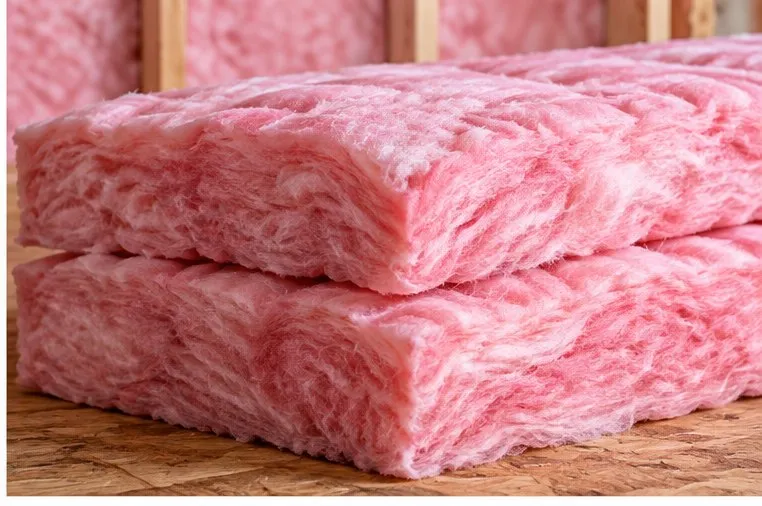
Fiberglass
R-2.5 – R-3.4 per inch
- Cheapest per R-value
- Batts need no equipment
- Shrugs off water
- Installed quality matters a lot
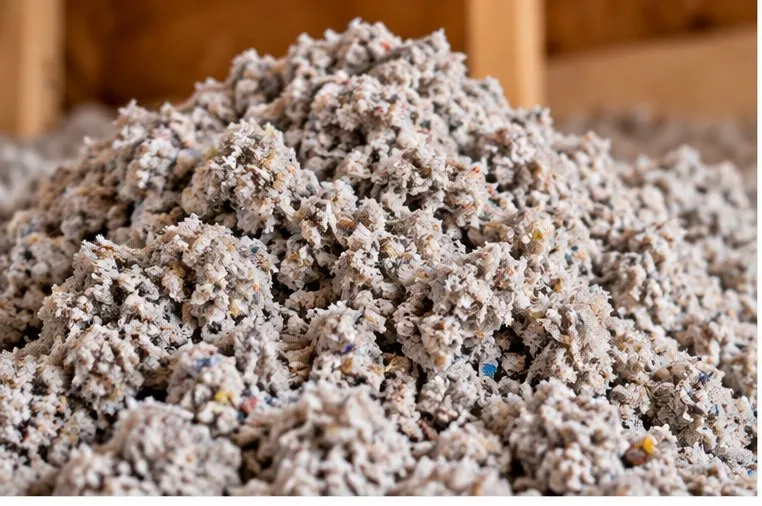
Cellulose
R-3.2 – R-3.8 per inch
- Fills gaps batts leave
- Mostly recycled paper
- Best value for attics
- Settles 10–20% over time
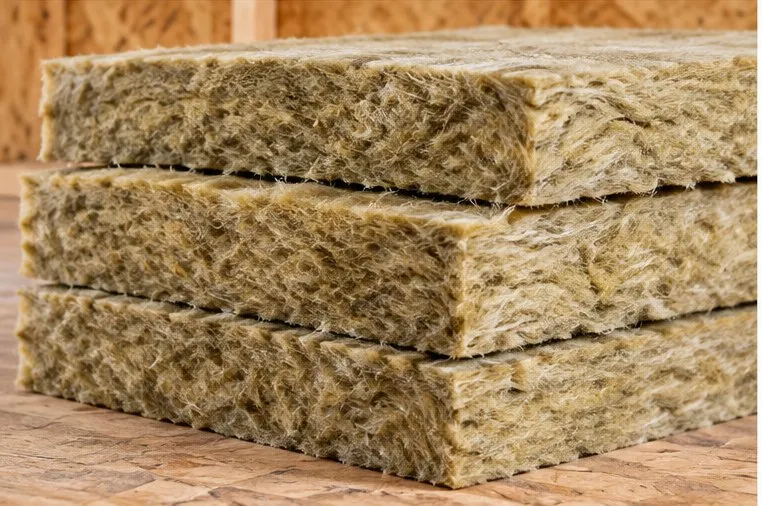
Mineral wool
R-3.7 – R-4.2 per inch
- Fire resistant
- Best for sound
- Handles damp locations
- 2–3× the cost of fiberglass
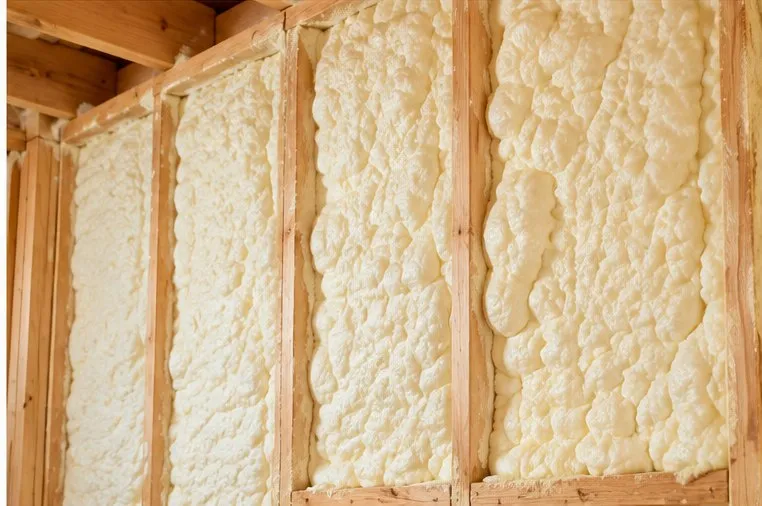
Spray foam
R-3.6 – R-7.0 per inch
- Air seals as it insulates
- Highest R per inch
- Best where depth is tight
- Professional install only
Takes about 1 minute
Get accurate insulation results in about a minute
No email. No phone number. No lead form in front of your answer — just the numbers, and the arithmetic behind them.
 Free to useNo credit card required
 No personal informationYour privacy, always
 Detailed results and shopping listMaterials, costs, and more
 100% free · No sign-up · Instant results
Get the right R-value, material quantities, and estimated costs for your project.