Free, no signup
Crawl Space Insulation Calculator
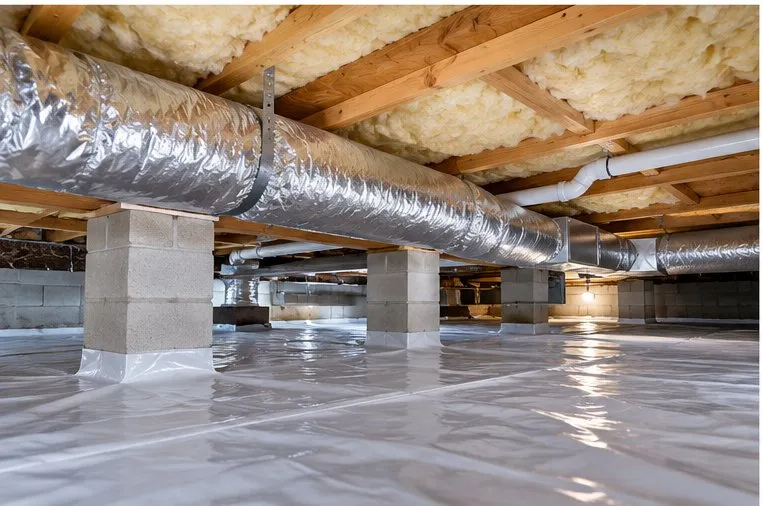
There are two incompatible ways to do this, and which one is right depends on your climate, your flood zone, and what is already down there. We'll recommend one with the reasoning visible, work out the material for either, and flag what has to be fixed before you start.
- No email required
- Recommends an approach, with reasons
- Flags the safety gates
Conditions
Step 1 of 5
What to check first
What this job actually needs
A crawl space is a confined space before it is an insulation job. Moisture testing and respiratory protection come before anything you install.
- Essential
Fiberglass batts
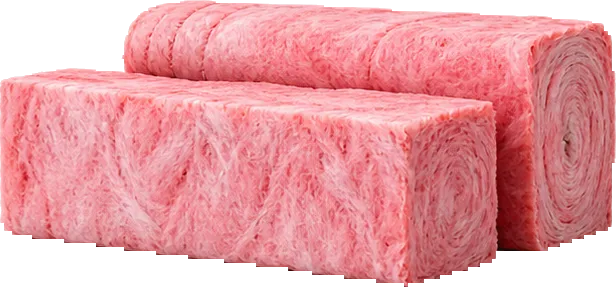
The easiest entry point: no machine, no hire, and you can do a room at a time. Buy the batt that fits the cavity — compressing an R-19 into a 3½ inch bay gets you about R-13, not R-19.
- Essential
Ground vapour barrier
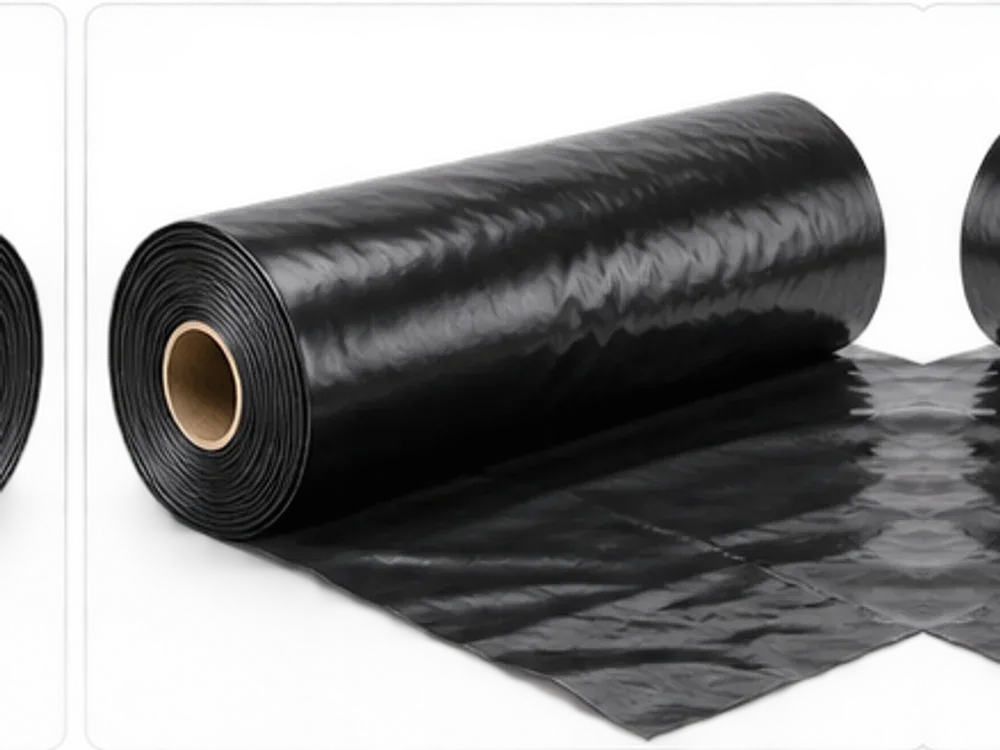
Goes over the crawl space floor and up the walls. Code minimum is 6 mil, but that is a vapour retarder you cannot crawl on — encapsulation usually wants 12 mil reinforced or heavier. Required by IRC R408.3 alongside humidity control.
- Essential
Acoustical or latex sealant
Seals top plates and the smaller gaps expanding foam is too coarse for.
- Essential
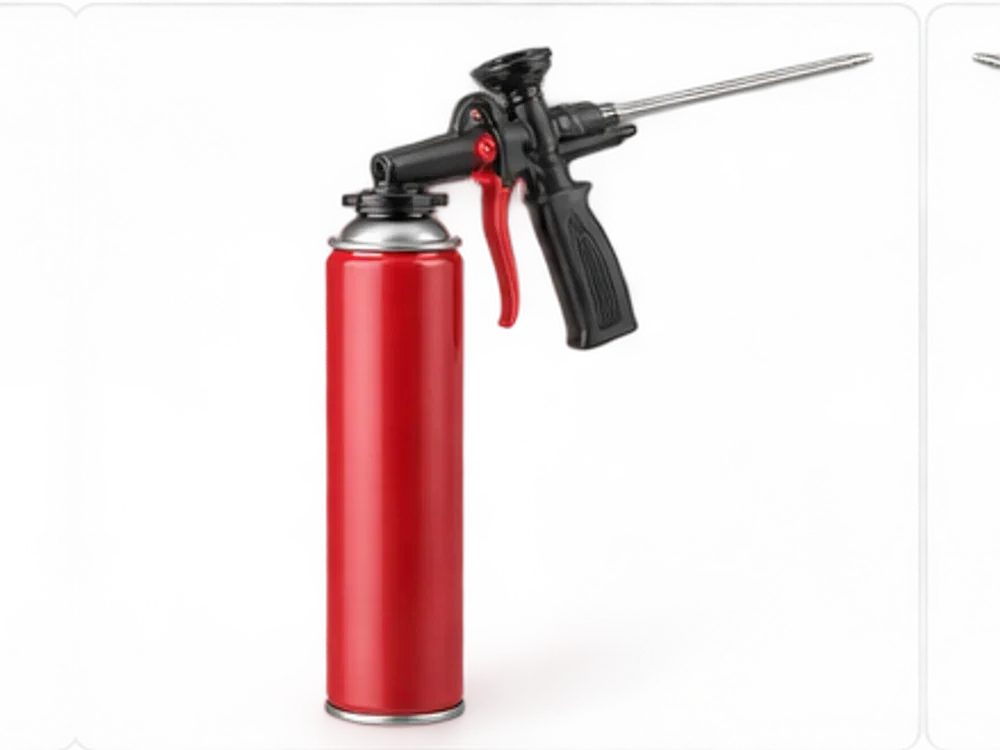
Fire-rated expanding foam
Seals gaps around flues, wiring and plumbing penetrations. Fire-rated specifically, because the gaps that leak most are the ones next to heat.
- Essential
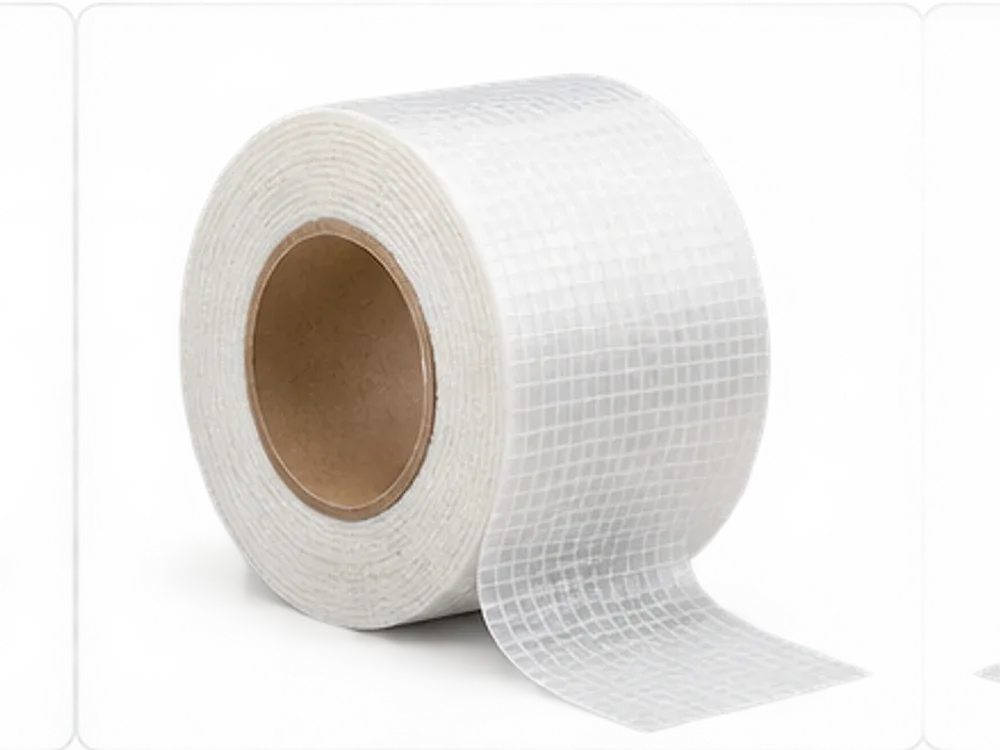
Vapour barrier seam tape
Liner laid loose and un-taped is a groundsheet, not a vapour barrier. The laps and the run up the wall have to be sealed or the moisture simply comes round the edge.
- Essential
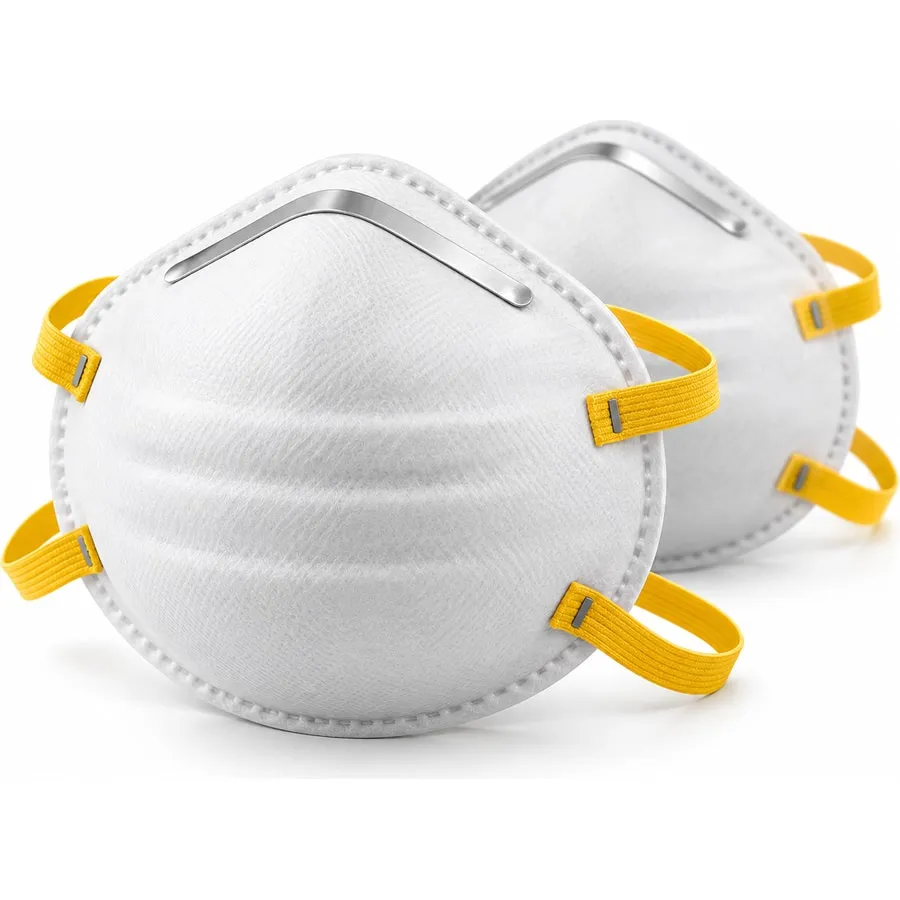
N95 disposable mask
The minimum for loose fibers and settled attic dust, and the one item never to skip. A surgical or cloth mask filters neither. Disposable, so buy a box rather than one.
- Essential
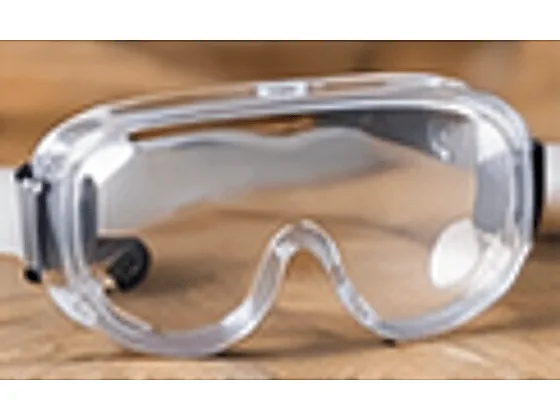
Sealed safety goggles
Sealed rather than open-sided, because you will be working below the material and looking up into it.
- Essential

Work gloves
Fiberglass irritates skin on contact and the fibers are hard to wash out afterwards.
- Essential
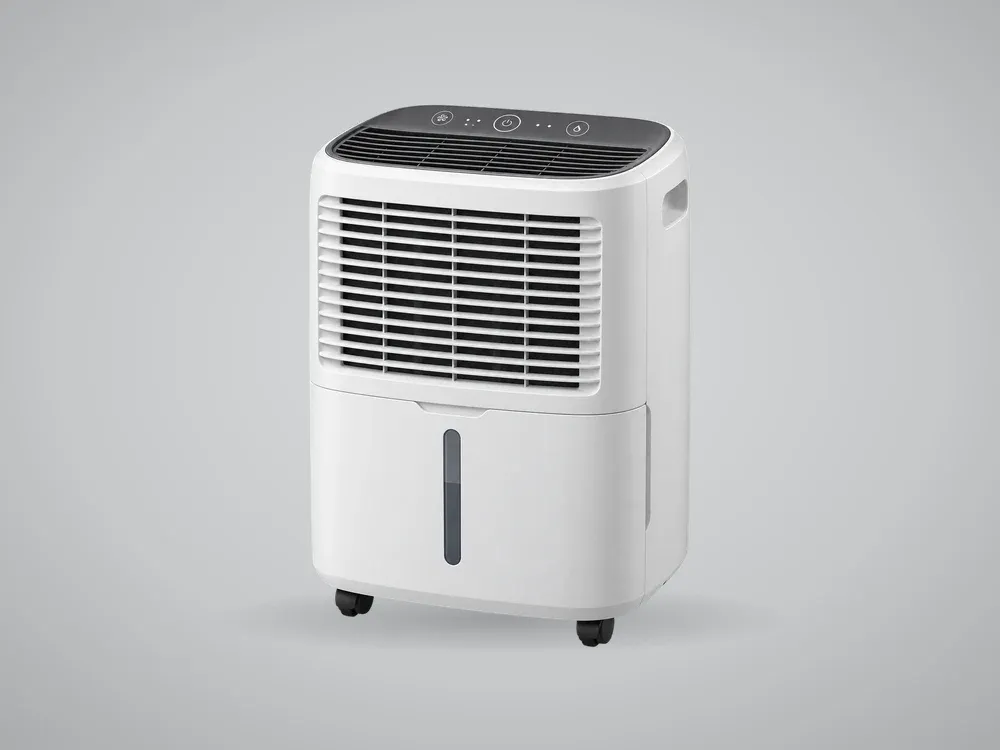
Crawl space dehumidifier
Not optional in a sealed crawl space. IRC R408.3 requires a ground vapour retarder plus one humidity-control measure — a sealed crawl with neither is a worse outcome than a vented one.
- Essential
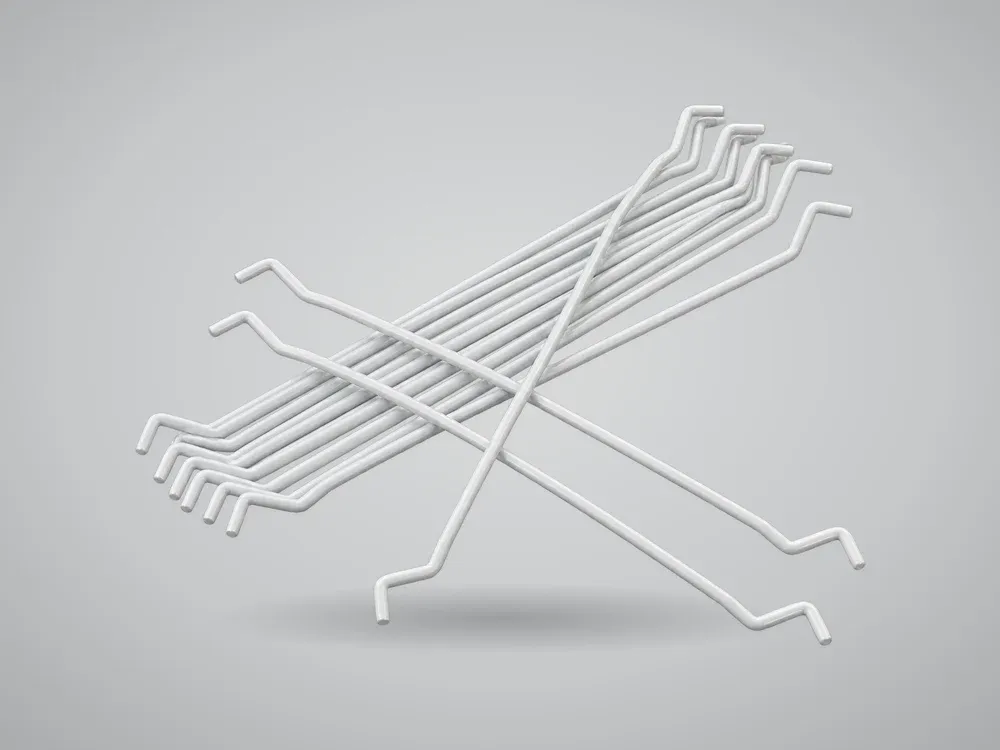
Insulation support rods
Wire staves that hold batts up against the subfloor. Insulation hanging an inch below the floor does almost nothing, and this is the usual reason crawl space batts fail.
- Essential
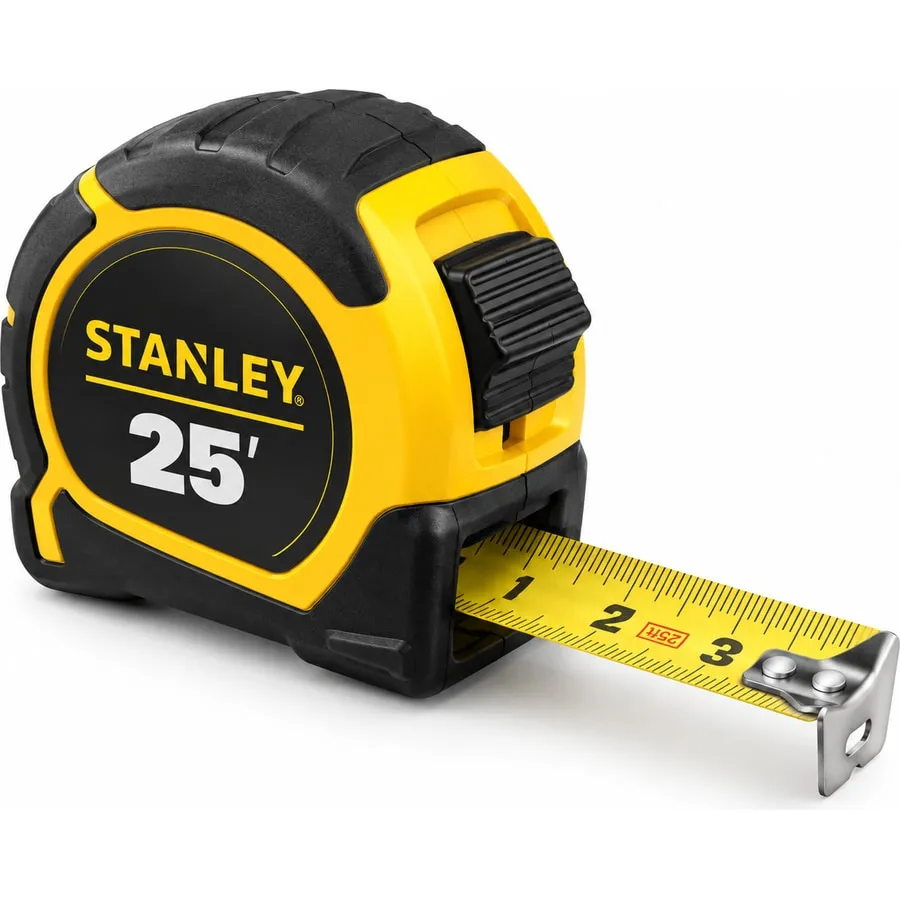
Tape measure
For the area figure this calculator runs on, and for cutting batts to the cavity.
- Recommended
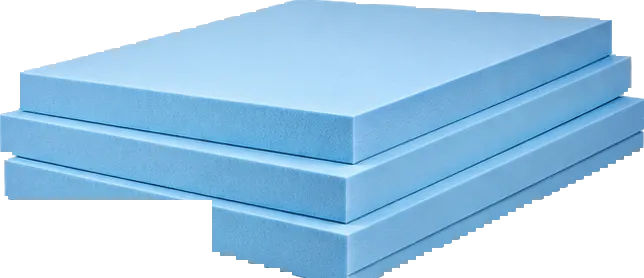
Rigid foam board
The DIY-feasible way to insulate crawl space walls, and the continuous layer that lets a 2x4 wall reach a code figure its cavity cannot. Needs a code-compliant ignition barrier wherever it stays exposed.
Retailer buttons open a search at that store — exact products and pack sizes vary by location.
Affiliate links — we may earn a commission if you purchase through these links, at no extra cost to you. As an Amazon Associate I earn from qualifying purchases. Products are chosen on whether they suit the job, never on commission. Full disclosure.
Common questions
Should I insulate the floor or seal the whole crawl space?
In most climates, seal it. Building Science Corporation states plainly that crawl spaces should not be insulated between floors, and Advanced Energy's field study on twelve identical houses found vented crawl spaces above 80% relative humidity through most of spring and summer while sealed ones stayed below 65%. The exceptions matter though: in a dry climate the vented approach is reasonable and much cheaper, and where FEMA flood openings are required you must not seal, because that turns the crawl space into a basin.
Why does venting a crawl space make it damper?
Because of when the air comes in. In summer, outdoor air at a dew point of 70°F enters a crawl space whose surfaces sit nearer 60°F, and condenses on them. The ventilation that was supposed to dry the space is what wets it. This is why the building-science consensus shifted, and why older advice to "keep the vents open" has not aged well in humid regions.
What has to be true before I insulate?
No standing water or persistently damp soil, no active mold or rot, and no atmospherically-vented gas appliance that sealing would starve of combustion air. Covering wet ground with plastic can be worse than doing nothing, because it traps the moisture against the structure. If any of those apply, fix them first — the calculator flags each one.
Does sealing a crawl space raise radon levels?
It can. Encapsulation is not radon mitigation and occasionally makes readings worse. The EPA action level is 4 pCi/L, with action worth considering from 2. Test before and after. If you are sealing the ground anyway, have a passive sub-membrane depressurisation stub installed at the same time — it costs very little while the liner is open and can be made active later if a test comes back high.
Can I use polyiso board on crawl space walls?
No. Polyiso has the highest R-value per inch of the three common boards, but it wicks moisture out of concrete and loses R-value doing so, and should not be used below grade or against concrete or earth. Use XPS, which is explicitly rated for below-grade use, or EPS, which is cheaper and dries far faster — a fifteen-year buried comparison found EPS returning to under 1% moisture where XPS stayed near 16%.
Do I need a dehumidifier after sealing?
You need one of four things, and a dehumidifier is the usual choice. IRC R408.3 requires a ground vapor retarder plus either mechanical exhaust, supplied conditioned air, a plenum arrangement, or dehumidification — a sealed crawl space with no humidity control is a worse outcome than a vented one. Practitioners default to a dedicated crawl space dehumidifier, sized around 70 pints a day per 1,000 sq ft, draining to daylight or a condensate pump.
Is any of this a DIY job?
Some of it. Laying a ground vapor barrier in a clean, dry crawl space with decent clearance is realistic, as is rigid foam at the rim joist or on the walls. Closed-cell spray foam is not — it needs two-component equipment, supplied-air respirators, and a 24-hour re-entry delay. Nor is anything involving mold, standing water, a combustion appliance, or clearance under 24 inches. A crawl space is a confined space: check for a second exit, test for carbon monoxide, wear a P100 respirator, and never work down there alone.
Do I insulate the rim joist too?
Yes, and it is one of the best-value parts of the job. The rim joist is a small area with disproportionate air leakage, and it is counted separately in the estimate because it usually gets a different material — rigid foam or closed-cell spray foam rather than whatever is going on the walls.
Related reading
Spray foam insulation
Closed-cell is the normal professional choice for crawl walls. Here is why.
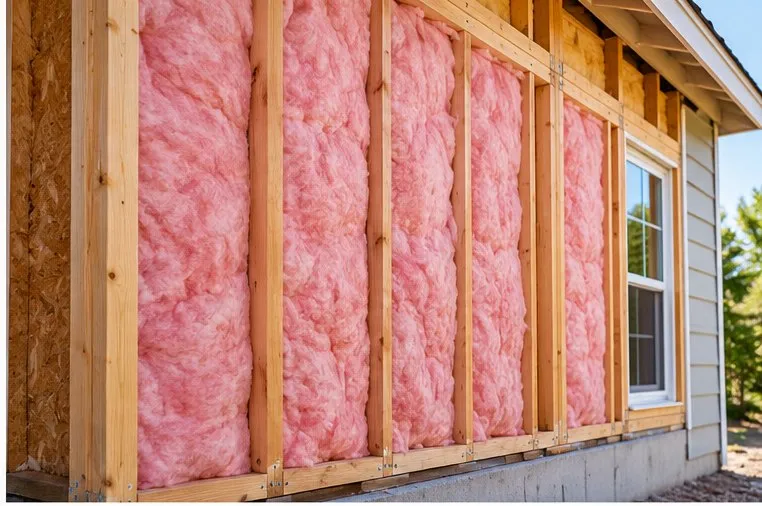
Mineral wool
The best batt for a damp location — hydrophobic and it holds its shape.
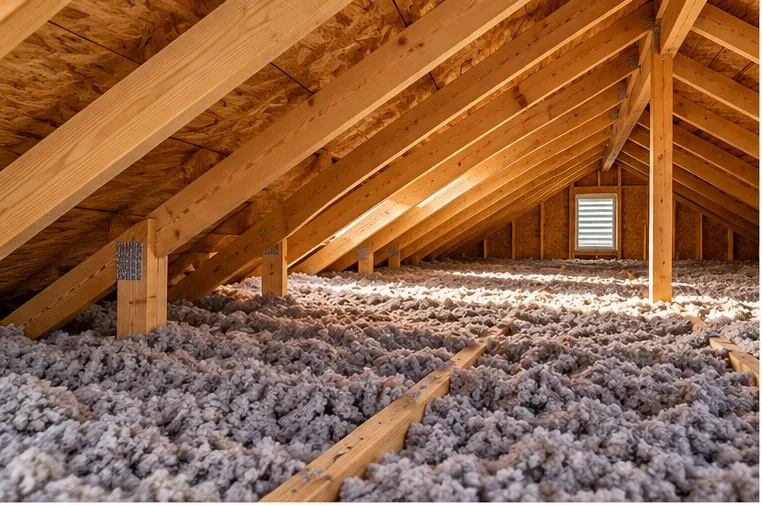
What R-value do I need?
Floor and crawl wall are different code rows with different numbers.
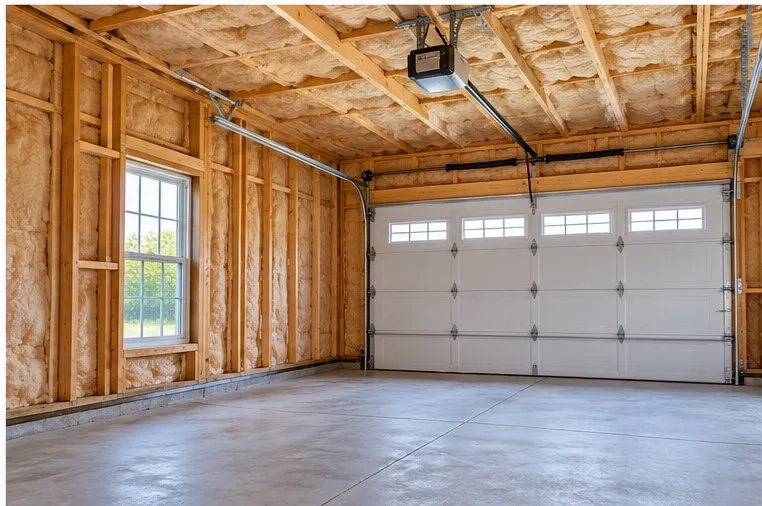
Attic calculator
Cheaper per R-value and easier to reach. Usually do this first.