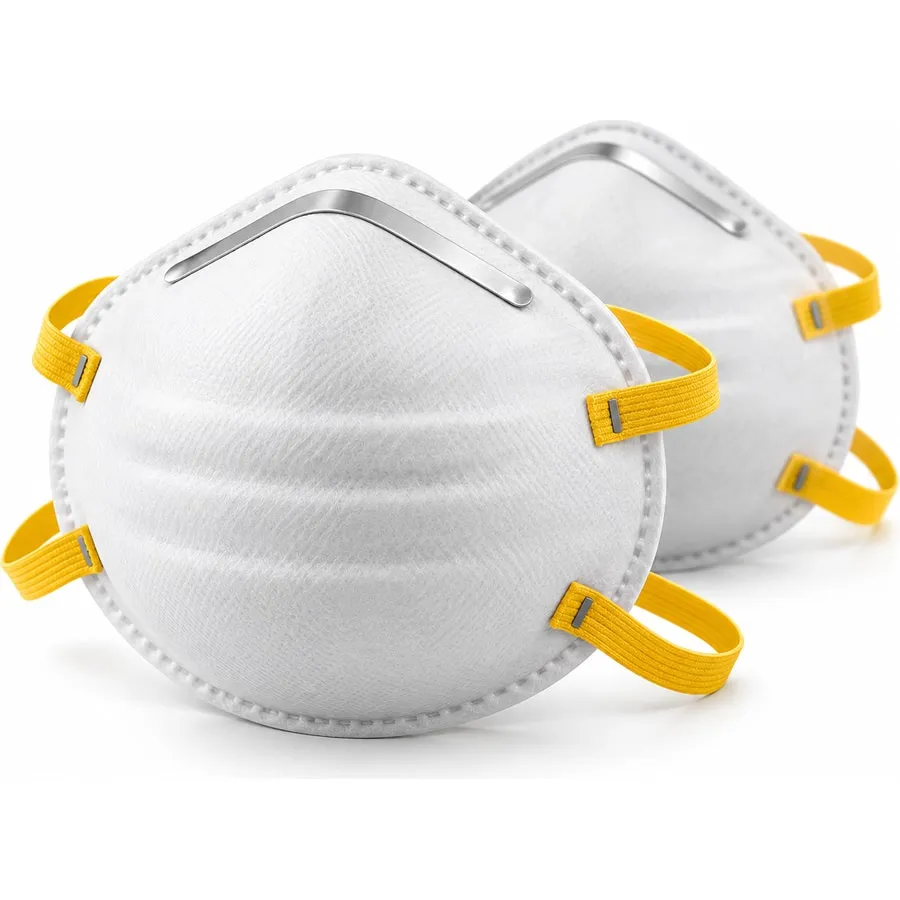
N95 disposable mask
The one item never to skip. Fibres and settled dust are the hazard you cannot see working.
Shop the kit · Safety gear
Loose fibres, decades of settled dust and whatever the last owner left up there are a real respiratory hazard, and the gear only works if it is comfortable enough that you do not take it off an hour in. Respiratory and eye protection are not optional on any of these jobs.
Affiliate links — we may earn a commission if you purchase through these links, at no extra cost to you. As an Amazon Associate I earn from qualifying purchases. Products are chosen on whether they suit the job, never on commission. Full disclosure.
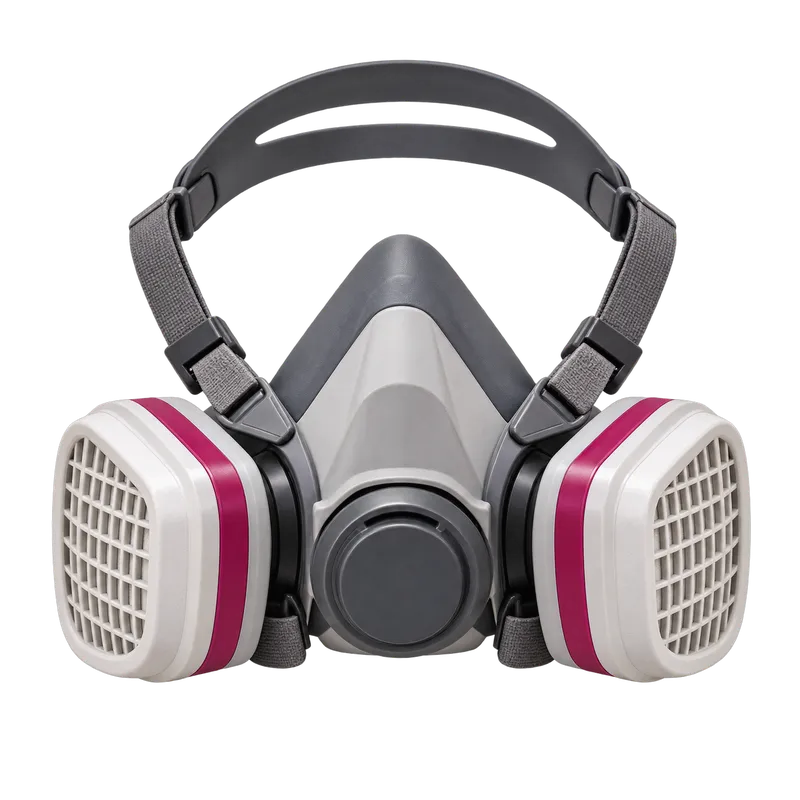
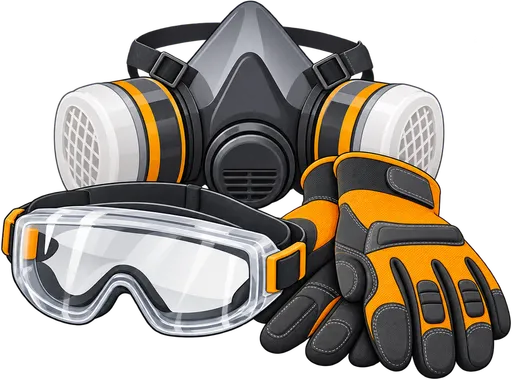
An N95 is the floor. A half-mask seals better and you can wear it longer.
Open-sided glasses and a loose mask protect nothing when the dust comes from above.
Knee pads and a bump cap are why the second half of the job goes as well as the first.
The four nobody should start a job without. The rest make a long day bearable.
The one item never to skip. Fibres and settled dust are the hazard you cannot see working.
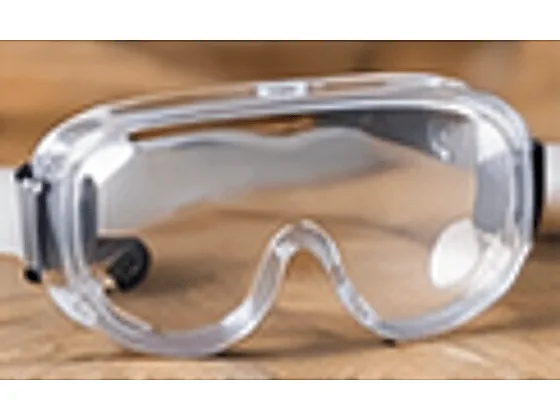
Sealed, not open-sided. Loose fibre falls from directly above you the whole time.
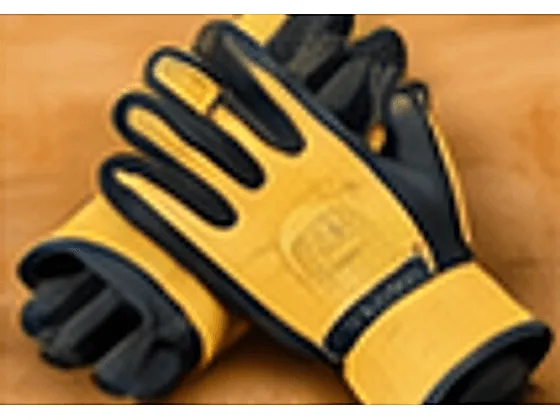
Fibreglass in your hands is miserable for days, and you will be handling joists and nails.
Seals better than a disposable and takes cartridges. Worth it the moment the job runs past an hour.
The non-negotiable part. Everything else is comfort by comparison.
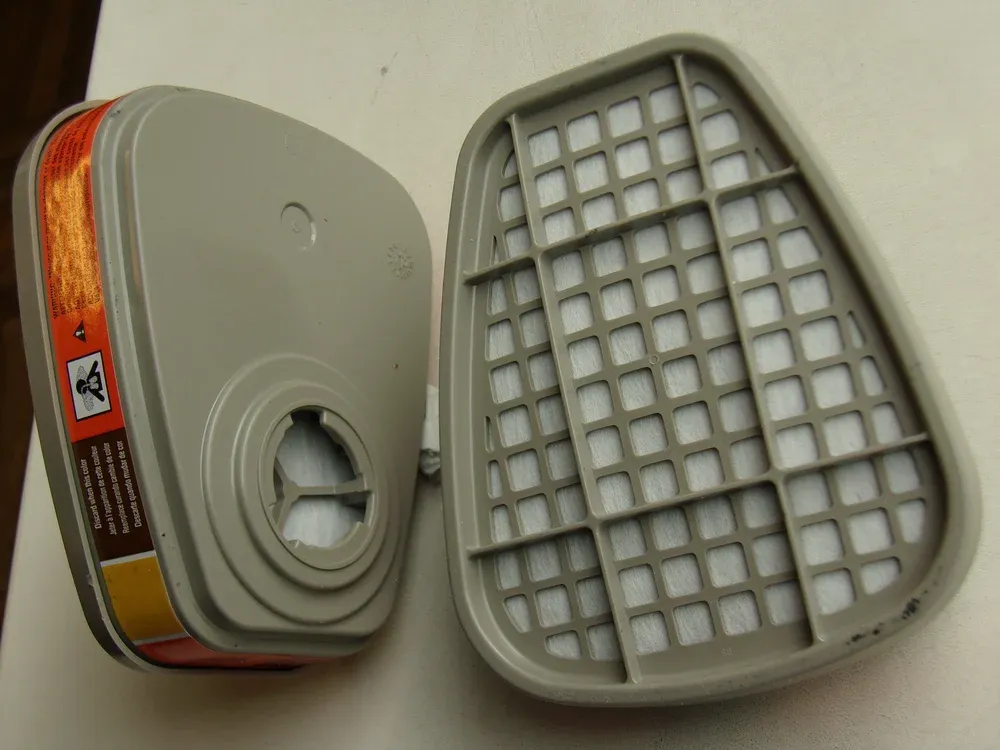
Cartridges load up and stop filtering, and a half-mask with spent cartridges is a false sense of safety. Buy a spare pair with the mask rather than after.
Retailer links open a search — exact products, pricing, pack sizes and availability vary by store. Amazon links on this page are affiliate links; we may earn a commission at no extra cost to you. Full disclosure.
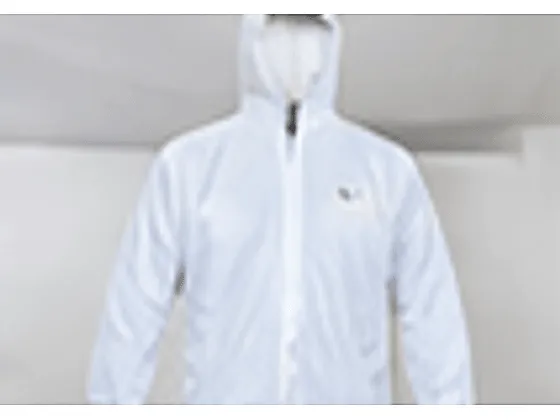
Fiberglass in clothing is genuinely unpleasant and survives a wash. Hooded, with elasticated cuffs, is the version worth buying.
For sealant and foam, which do not come off skin easily once cured.
Retailer links open a search — exact products, pricing, pack sizes and availability vary by store. Amazon links on this page are affiliate links; we may earn a commission at no extra cost to you. Full disclosure.
What decides whether you finish the job today or come back to it.
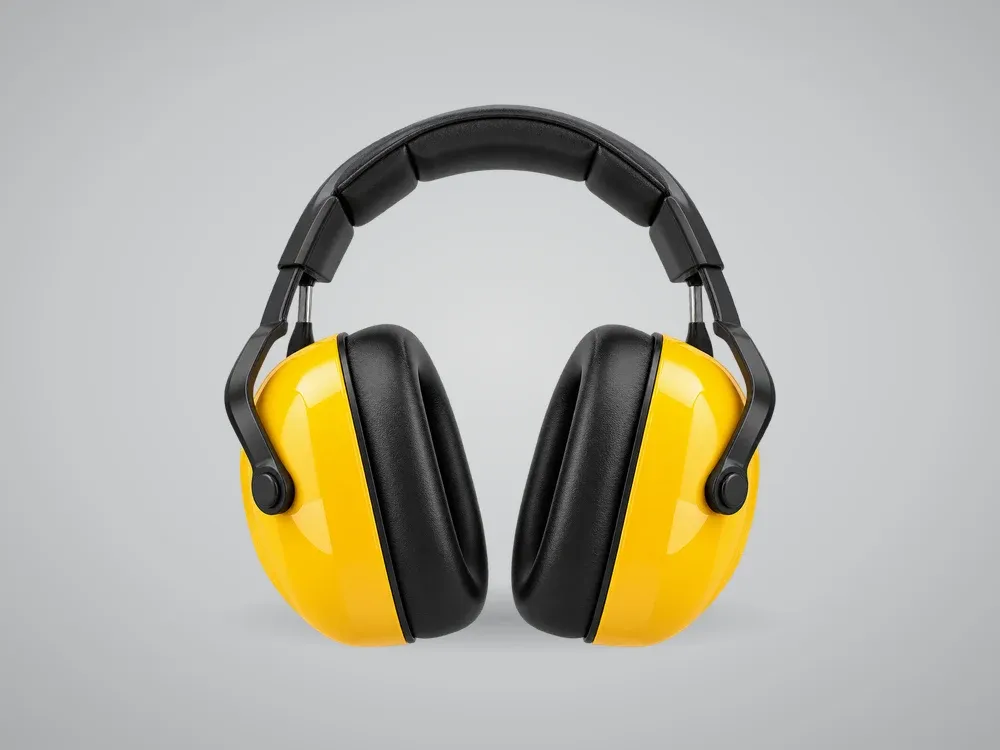
An insulation blower running in an enclosed attic is loud enough to matter over a full day.
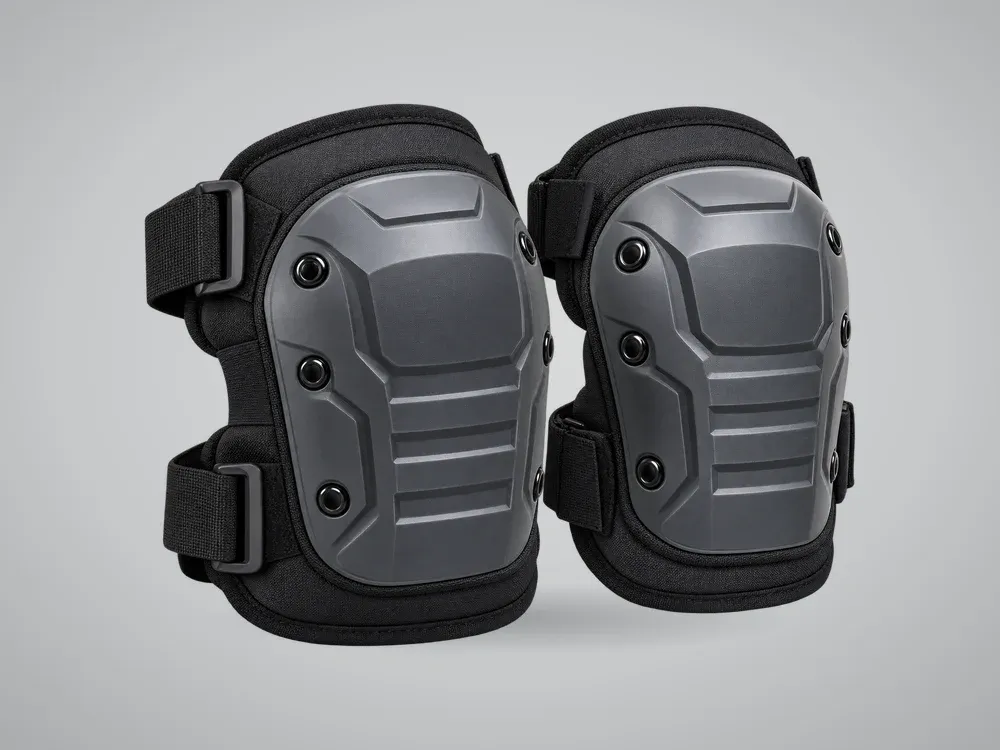
Hours spent kneeling on joists or a crawl space floor. Cheap, and the difference between finishing the job and stopping early.
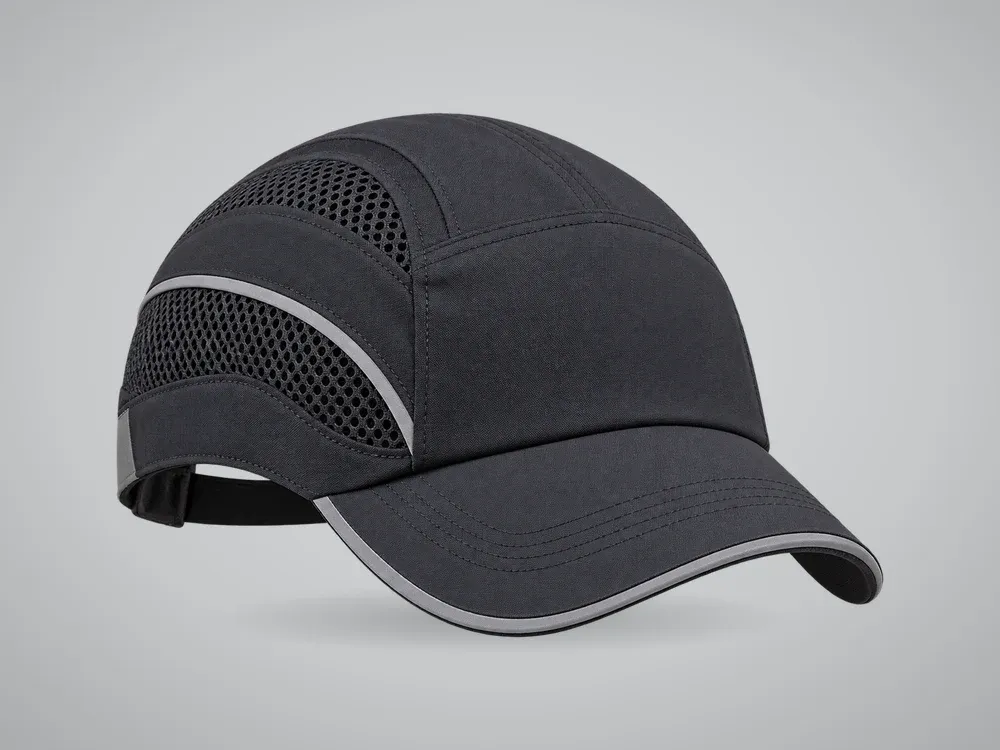
Attics and crawl spaces are full of roofing nails at head height. Lighter than a hard hat and you will actually keep it on, which is the whole point.
Retailer links open a search — exact products, pricing, pack sizes and availability vary by store. Amazon links on this page are affiliate links; we may earn a commission at no extra cost to you. Full disclosure.
Want to browse the whole category rather than our shortlist? This opens current safety gear results on Amazon, sorted by customer rating.
Shop safety gear on AmazonUse your dimensions and climate zone to turn this checklist into an exact shopping list.
No personal information required
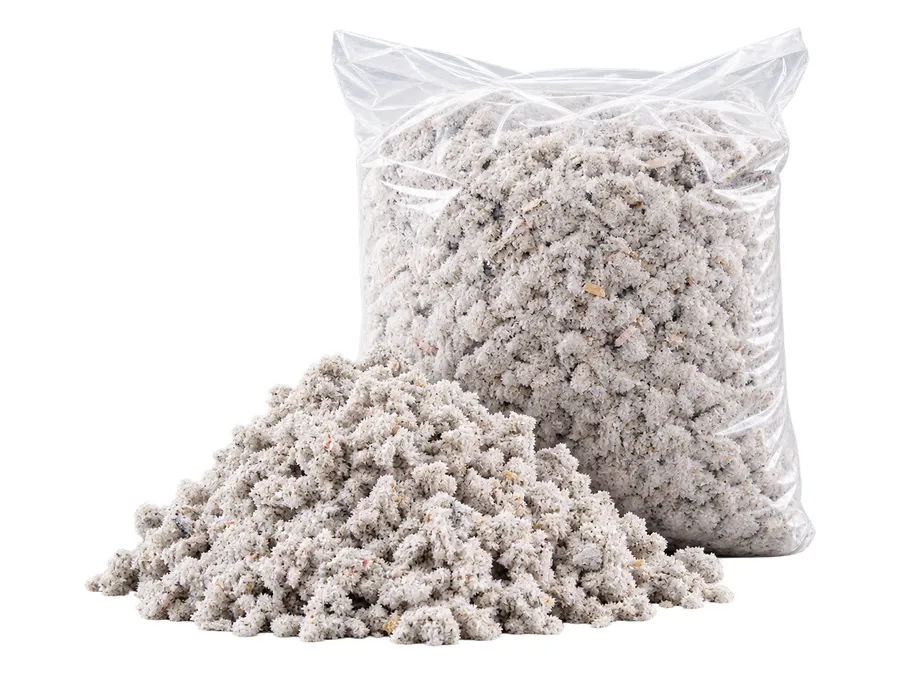 InsulationThe material itself. How much you need comes from your own measurements — coverage and pack sizes vary by brand, so the calculator gives you a bag or batt count rather than a guess.8 items
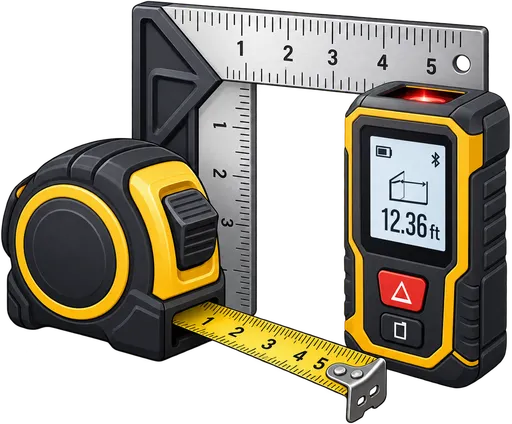 Measuring toolsGetting the area and the existing depth right is what decides whether the rest of the estimate means anything. Tape, laser, depth markers, moisture meter.23 items
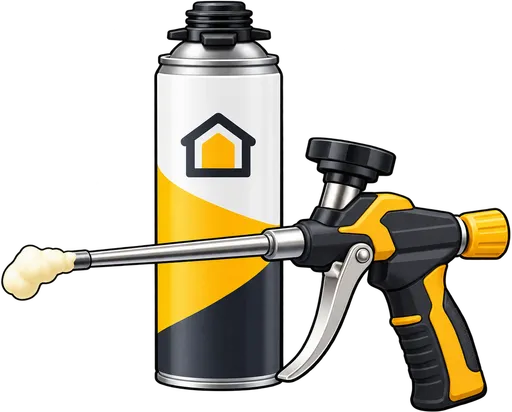 Air sealingDo this before the insulation goes down. Afterwards the gaps are unreachable, and insulation over an unsealed ceiling underperforms badly.12 items
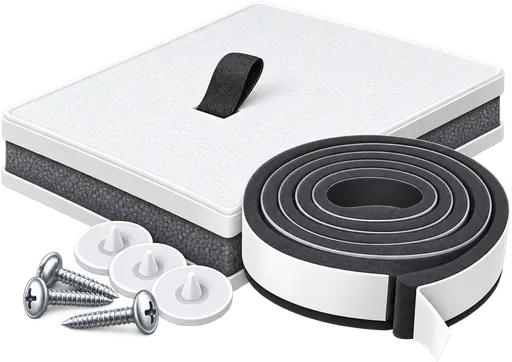 Attic accessoriesThe small items that get forgotten and cost a second trip: baffles, depth markers, hatch weatherstrip, walk boards, support rods.9 items
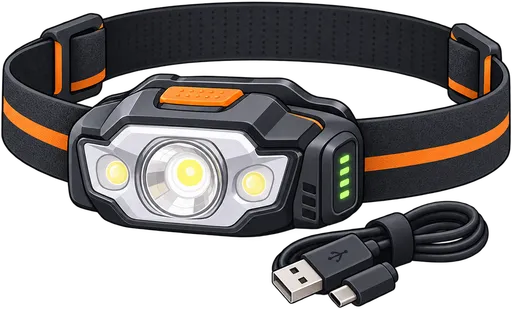 Rechargeable headlampsHands-free lighting. Holding a phone torch is the usual reason a first attic trip ends early.3 items