Free, no signup
Garage Insulation Calculator
A garage is up to five separate surfaces, and only two of them affect your heating bill. Tell us what kind of garage it is and what you want from it, and we'll work out which ones are worth doing — including the drywall and safety requirements that come with the job.
- No email required
- Flags the code requirements
- Tells you when to skip it
Your garage
Step 1 of 6
What it is, what for
What this job actually needs
A garage brings its own problems: a fire-rated separation to maintain, a door to deal with, and a slab that stays cold. Here is what the work takes.
- Essential
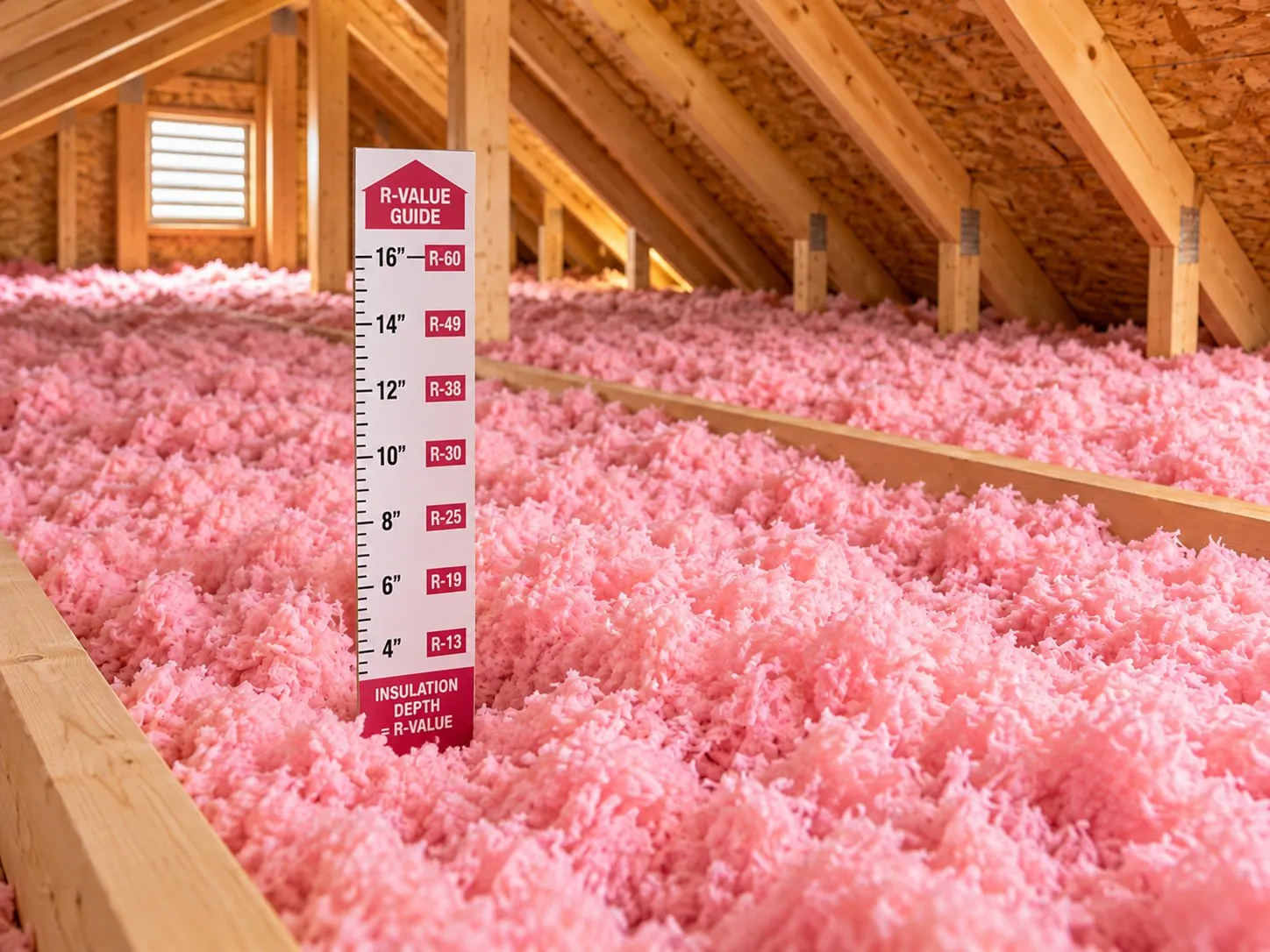
Blown-in fiberglass
Loose fill that does not absorb water and barely settles, which matters on older ceiling framing where the extra weight of cellulose is a consideration. Lower R-value per inch, so it needs more depth for the same target.
- Essential
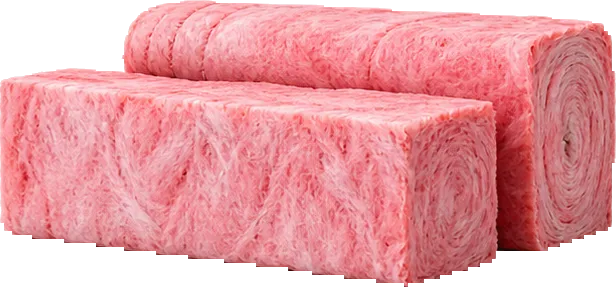
Fiberglass batts
The easiest entry point: no machine, no hire, and you can do a room at a time. Buy the batt that fits the cavity — compressing an R-19 into a 3½ inch bay gets you about R-13, not R-19.
- Essential
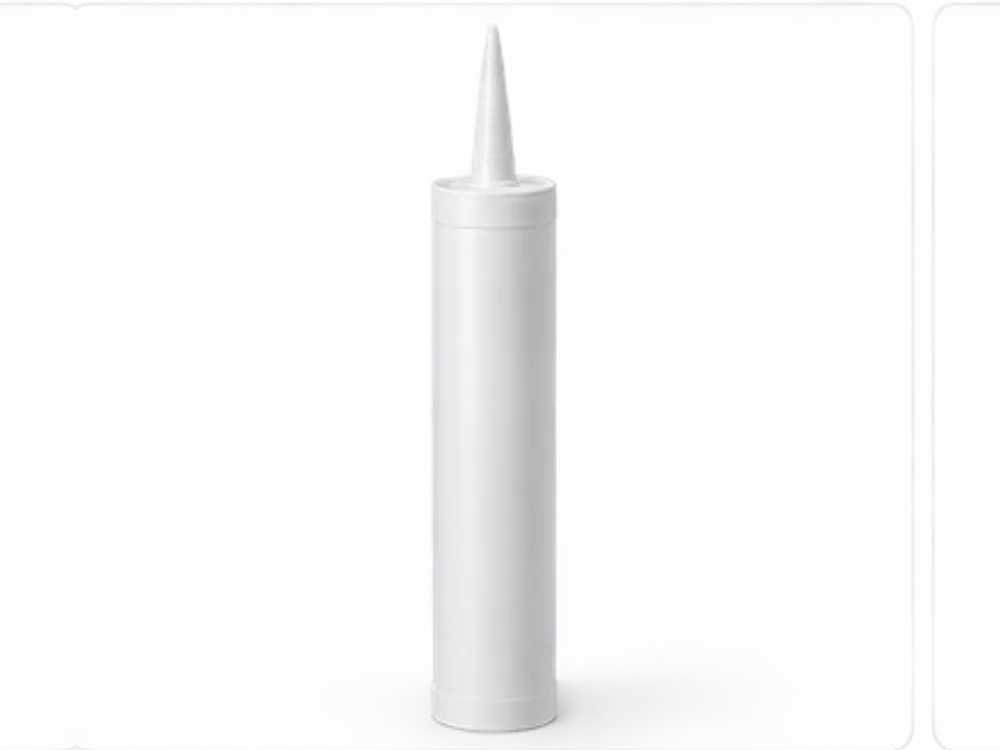
Acoustical or latex sealant
Seals top plates and the smaller gaps expanding foam is too coarse for.
- Essential

Fire-rated expanding foam
Seals gaps around flues, wiring and plumbing penetrations. Fire-rated specifically, because the gaps that leak most are the ones next to heat.
- Essential
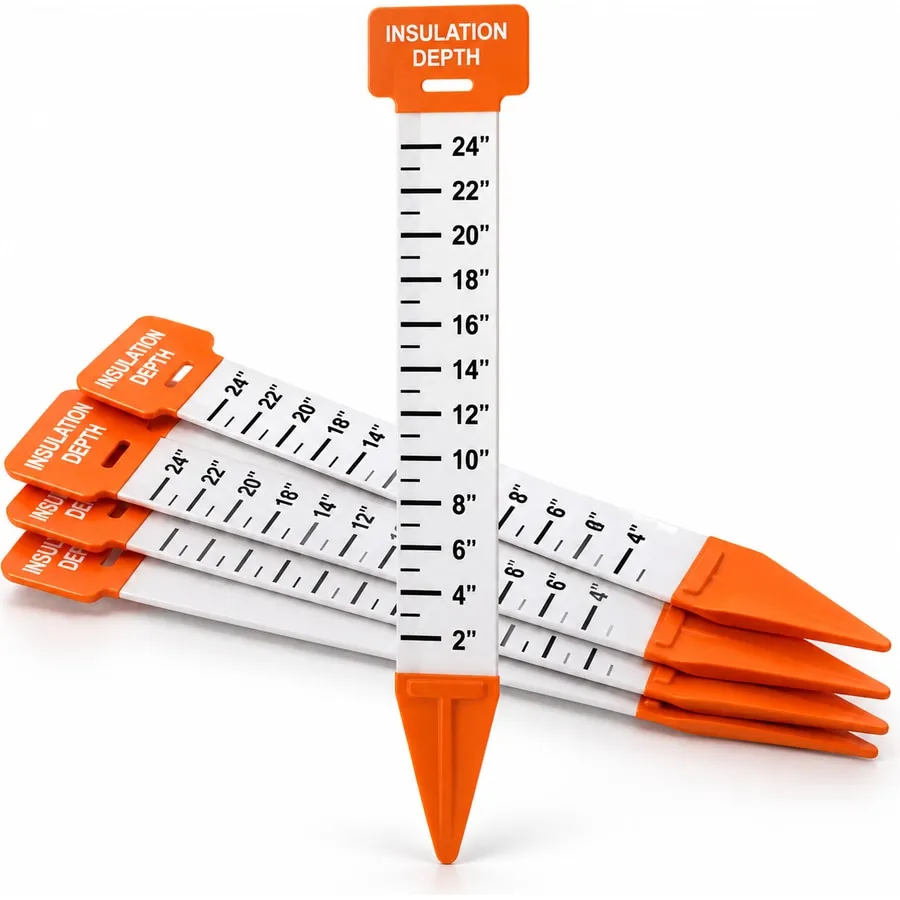
Insulation depth markers
Set to your target depth before you start. Blown insulation looks even when it is not, and this is the only way to know you have hit the R-value you paid for.
- Essential

N95 disposable mask
The minimum for loose fibers and settled attic dust, and the one item never to skip. A surgical or cloth mask filters neither. Disposable, so buy a box rather than one.
- Essential

Sealed safety goggles
Sealed rather than open-sided, because you will be working below the material and looking up into it.
- Essential

Work gloves
Fiberglass irritates skin on contact and the fibers are hard to wash out afterwards.
- Essential

Tape measure
For the area figure this calculator runs on, and for cutting batts to the cavity.
- Recommended
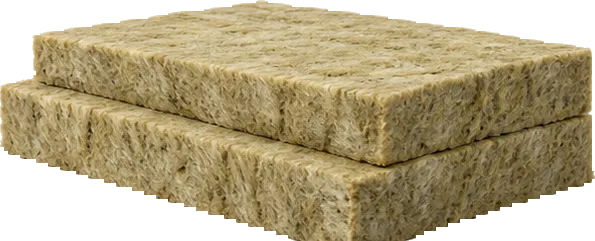
Mineral wool batts
Denser and stiffer than fiberglass, so it friction-fits without supports and cuts cleanly with a serrated blade. Non-combustible and noticeably better at sound. Costs roughly double.
- Recommended
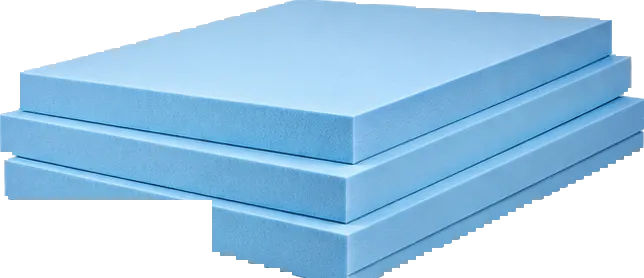
Rigid foam board
The DIY-feasible way to insulate crawl space walls, and the continuous layer that lets a 2x4 wall reach a code figure its cavity cannot. Needs a code-compliant ignition barrier wherever it stays exposed.
- Recommended

Caulk gun
A dripless frame is worth the small premium when you are working above your head.
Retailer buttons open a search at that store — exact products and pack sizes vary by location.
Affiliate links — we may earn a commission if you purchase through these links, at no extra cost to you. As an Amazon Associate I earn from qualifying purchases. Products are chosen on whether they suit the job, never on commission. Full disclosure.
Common questions
Will insulating my garage lower my energy bills?
Only the surfaces between the garage and heated space will — the wall shared with the house and the ceiling under living space. Those two are part of your building thermal envelope and code requires them to be insulated. The garage's own exterior walls, its door, and its slab are outside the envelope, so insulating them makes the garage more comfortable without changing your heating bill.
Is it worth insulating a detached garage?
Not unless you heat it. A detached garage shares no envelope with the house, so insulating one you only park in will not produce a measurable saving. If you are turning it into a workshop or a gym, then it becomes worth doing — start with the ceiling, then seal the door.
Do I have to put drywall back after insulating?
On the common wall and on a ceiling below living space, yes. IRC Table R302.6 requires at least ½ inch gypsum board on the garage side of the shared wall, and ⅝ inch Type X where there are habitable rooms above. Insulating means removing that and re-installing it, so it is part of the job rather than an optional finish. A garage ceiling below an attic that connects to the house attic also needs ½ inch gypsum — a step commonly missed.
Can I leave the insulation exposed in a garage?
No. Kraft facing left visible fails the flame-spread limit in IRC R302.10.1, which explicitly includes facings. Foam plastic — rigid board or spray foam — needs a thermal barrier under R316.4. The relaxed ignition-barrier rule that applies in attics and crawl spaces does not reach a garage, because a garage is not a space entered only for repairs. Use unfaced batts and cover them.
Are garage door insulation kits worth buying?
For comfort and noise in a garage you heat, yes. As an energy investment, barely — published figures put the saving at a few dollars a year. Most of the loss around a garage door is air leaking past the perimeter and the section joints, not heat passing through the panels. Fit a bottom seal, side weatherstrip, and a threshold first; those cost $30 to $150 and do more than a panel kit will.
My garage door says R-12. Is that real?
Partly. Manufacturers compute R-values at the center of a panel, and DASMA — the industry association that publishes the method — is explicit that this ignores joints, stiles, and weatherseals. One door advertised at R-12.76 measured R-7.83, with a certified U-factor implying about R-4.17. Expect roughly 30 to 60% of the published figure in practice, and prefer a tested U-factor where one is given.
Is it safe to heat an insulated garage?
Only with the right heater and a carbon monoxide alarm. Air sealing removes the leakage that was diluting exhaust fumes, so a tighter garage is more dangerous with a vehicle running, not less. Never use an unvented propane or kerosene heater in an enclosed garage — the CPSC attributes most LP-gas heating deaths to exactly that. A mini-split heat pump or a vented unit heater is the safe choice. If there is already a gas water heater or furnace in the garage, have its combustion air verified before you seal anything.
Related reading
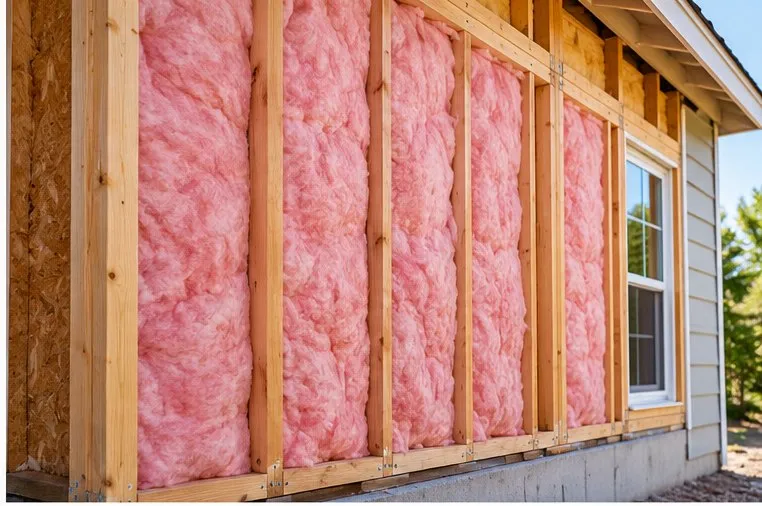
Fiberglass insulation
The default for garage walls and ceilings, behind drywall.
Mineral wool
Better fire resistance and much better sound control for a workshop.
What R-value do I need?
Where the garage figures come from, and which are code rather than comfort.
Attic calculator
If the house attic is not done yet, that is the better first project.