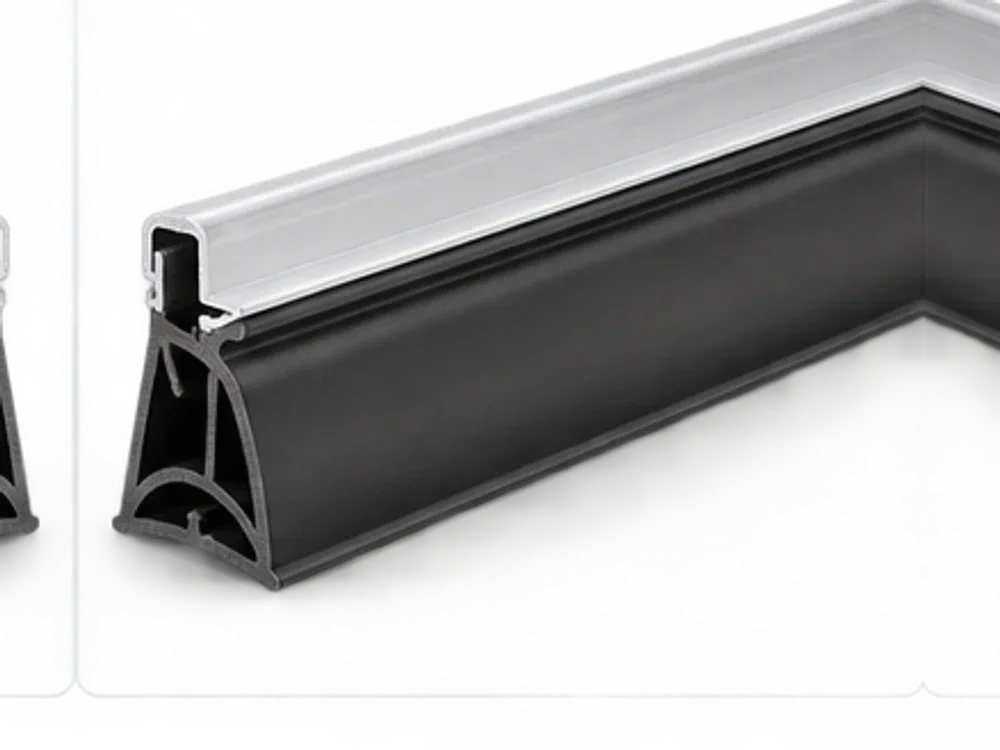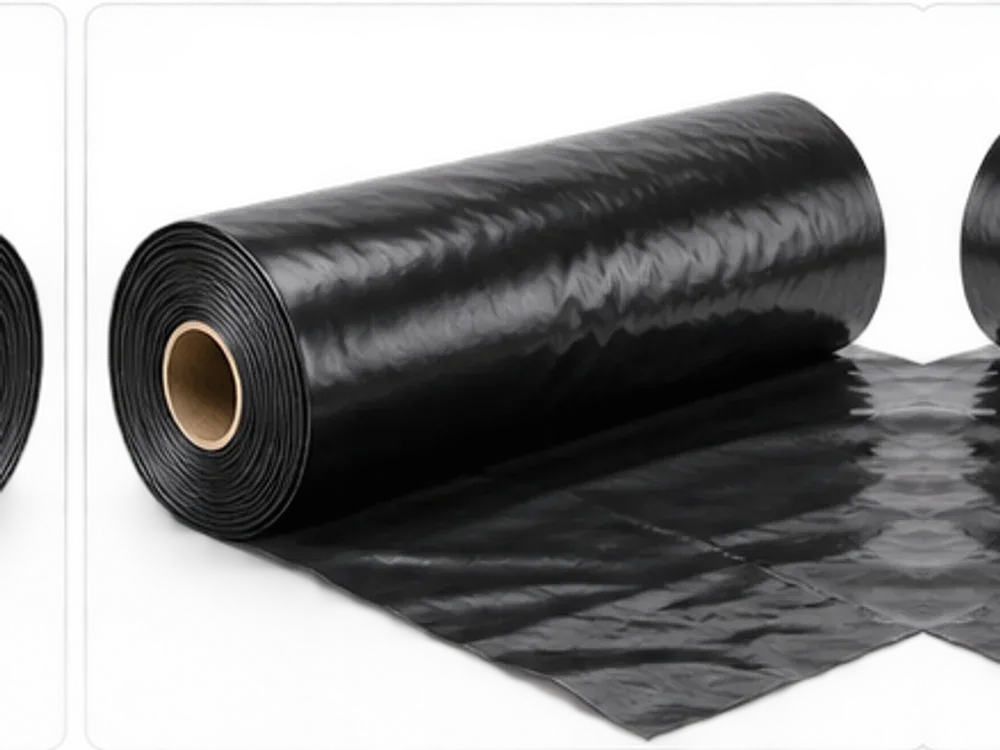
Ground vapour barrier
Nothing else in a crawl space works until the ground is covered — IRC R408.3 treats it as the baseline, not an upgrade.
Shop the kit · Air sealing
Insulation slows heat moving through a surface; it does almost nothing about air moving around one. A ceiling full of open top plates, flue gaps and wiring holes will keep losing heat under any depth of insulation — and once the insulation is down, every one of those gaps is out of reach. This is the work that goes first.
Affiliate links — we may earn a commission if you purchase through these links, at no extra cost to you. As an Amazon Associate I earn from qualifying purchases. Products are chosen on whether they suit the job, never on commission. Full disclosure.
Work on a cold, windy day. Look for dirty insulation, daylight and draughts around penetrations.
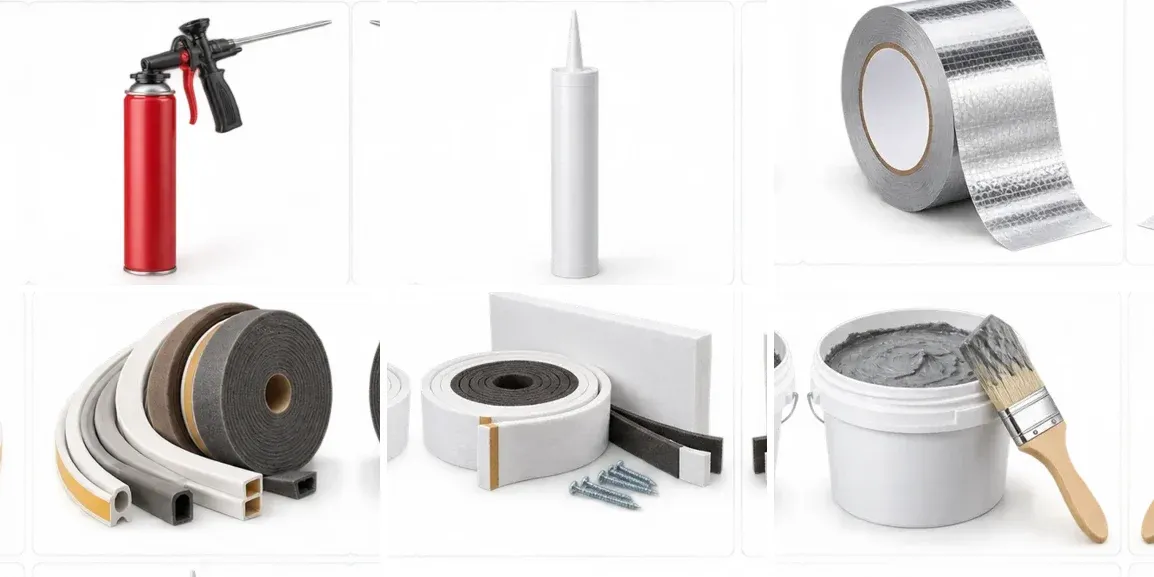
Caulk for cracks, foam for irregular gaps, backer rod where the joint moves.
Everything you miss is unreachable once the insulation is down. There is no second pass.
The four that change the outcome most, in the order a job actually needs them. Everything else on this page is worth having; these are the ones worth a second trip.
Nothing else in a crawl space works until the ground is covered — IRC R408.3 treats it as the baseline, not an upgrade.
An untaped liner is a groundsheet. The laps are where the moisture comes back round.
Closes the big penetrations — flues, wiring, plumbing — that account for most of the leakage you can actually fix.
Does the top plates and the small gaps foam is too coarse for. You will use more tubes than you expect.
Pick the gap in front of you. Matching the material to the joint is most of the skill.
Small crack, under ¼ in.
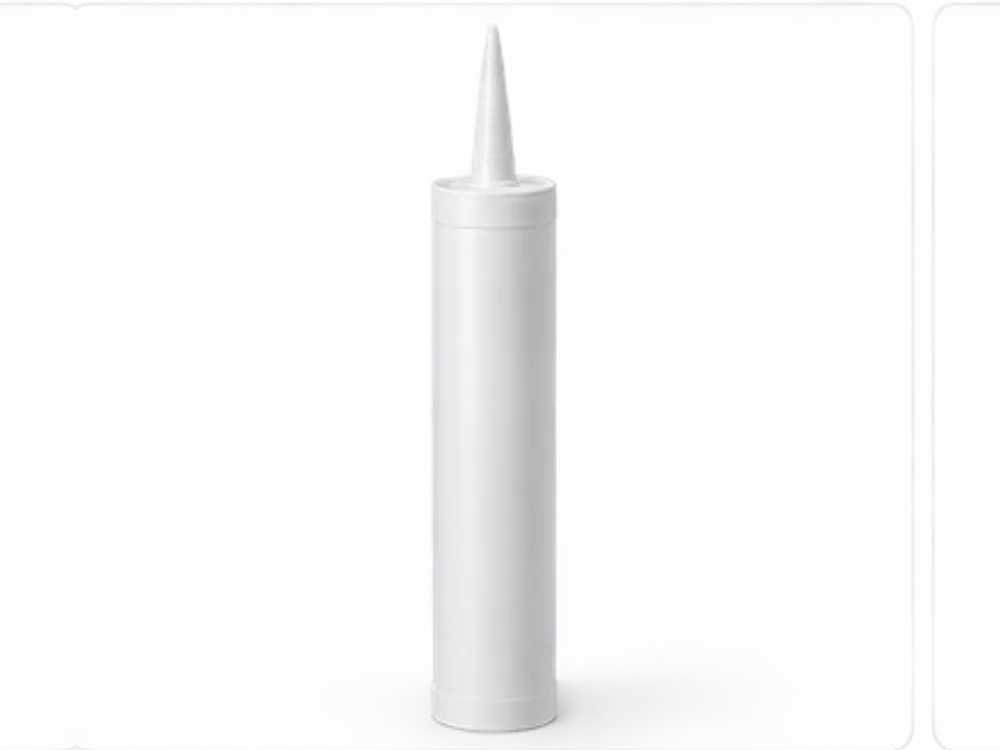
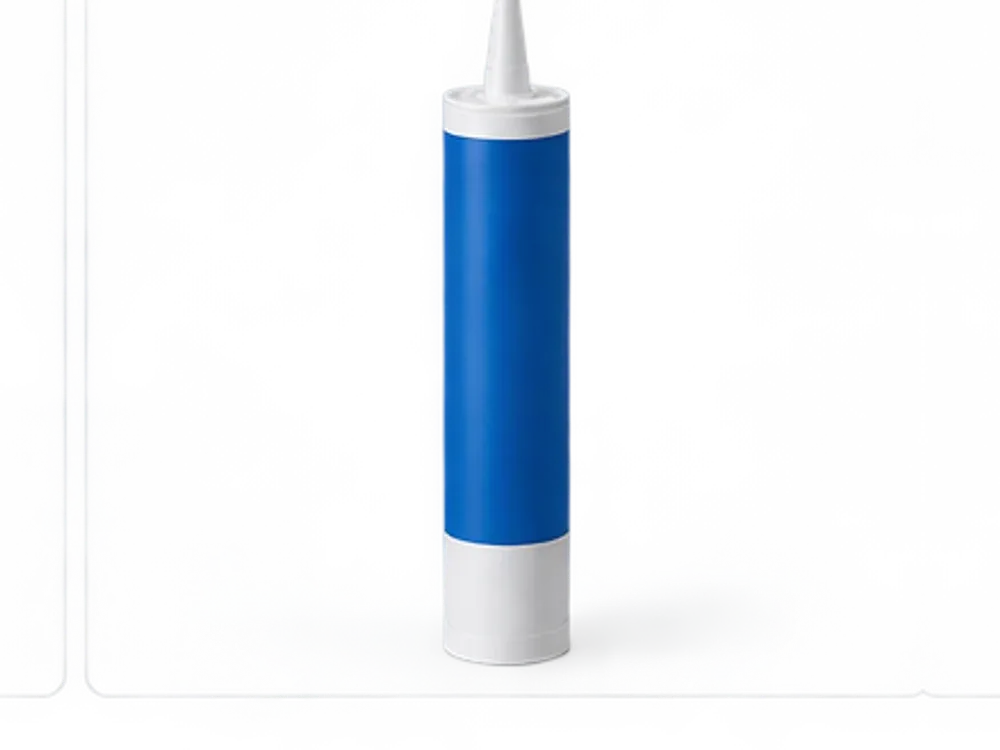
Caulk or acoustical sealant
Stays flexible and tools flush. Foam here just expands out of the joint and gets trimmed off.
Show me itMedium irregular gap, ¼–3 in.
Expanding foam
Fills a shape you cannot caulk. Use the fire-rated kind anywhere near a flue or chimney chase.
Show me themWide gap that moves
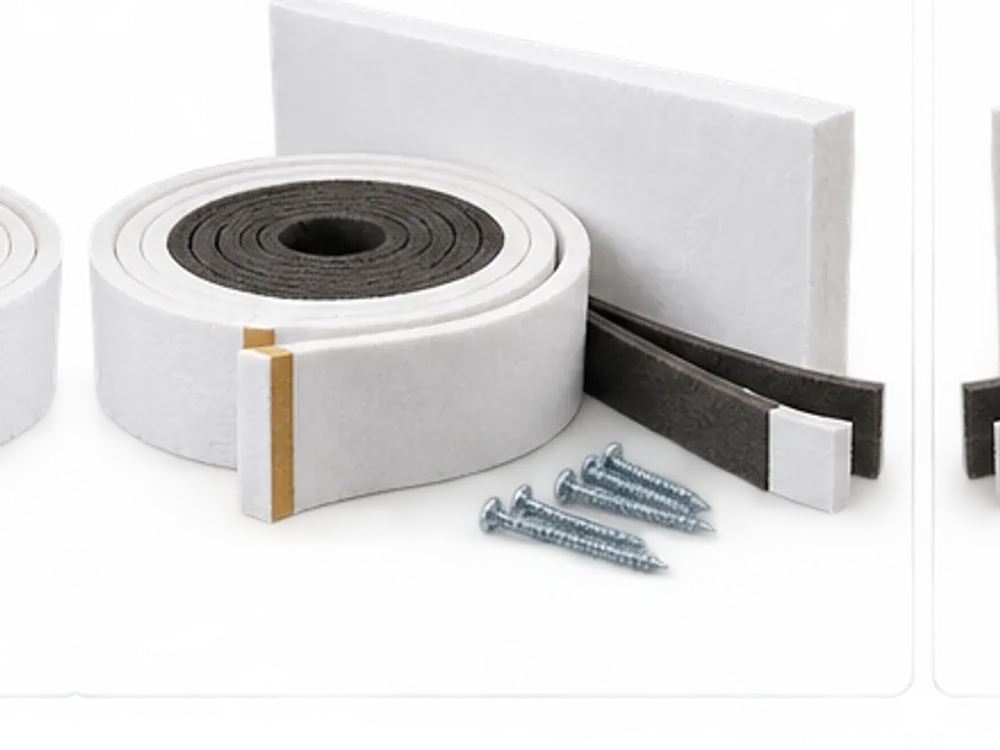
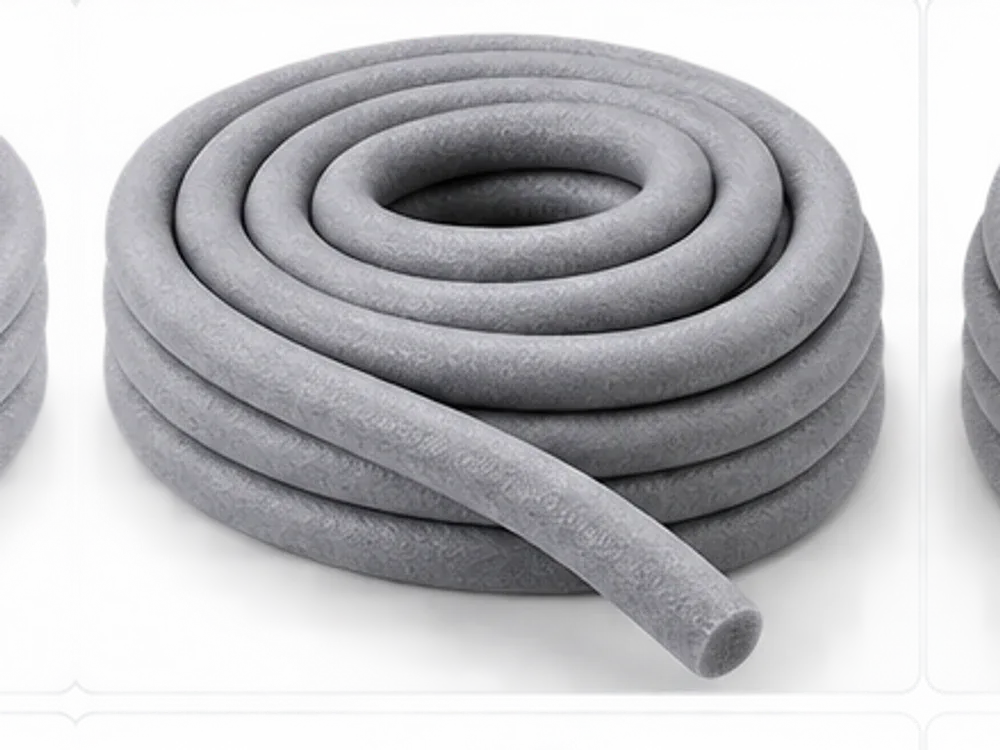
Backer rod, then sealant over it
The rod sets the joint depth so the sealant can stretch instead of tearing away from one face.
Show me themDuct seam or joint
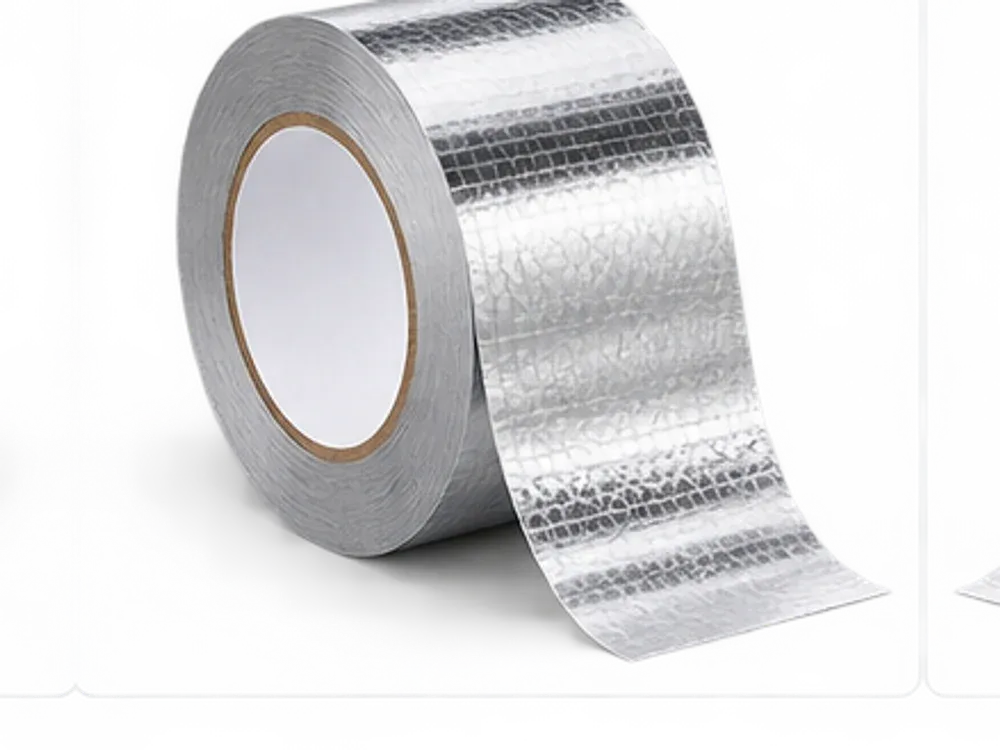
Mastic, or foil tape
Not cloth duct tape — it fails within a couple of years in an attic. Mastic for anything awkward.
Show me themDoor or window edge
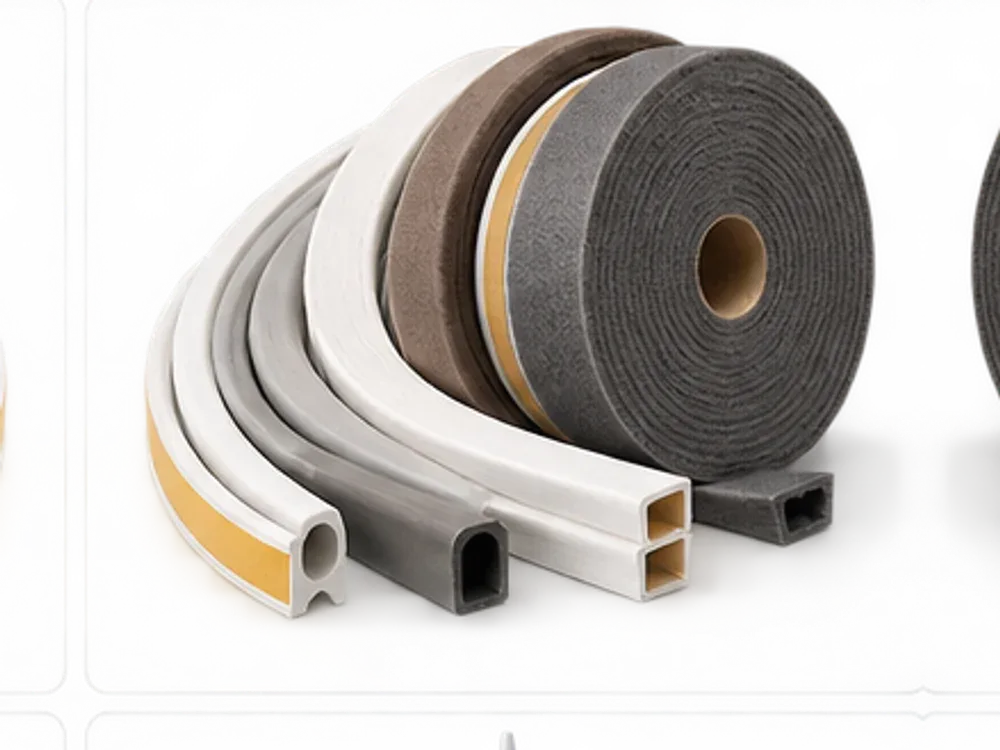
Weatherstripping
A compression seal on a moving edge. Caulk would bond the thing shut.
Show me themBare crawl-space floor
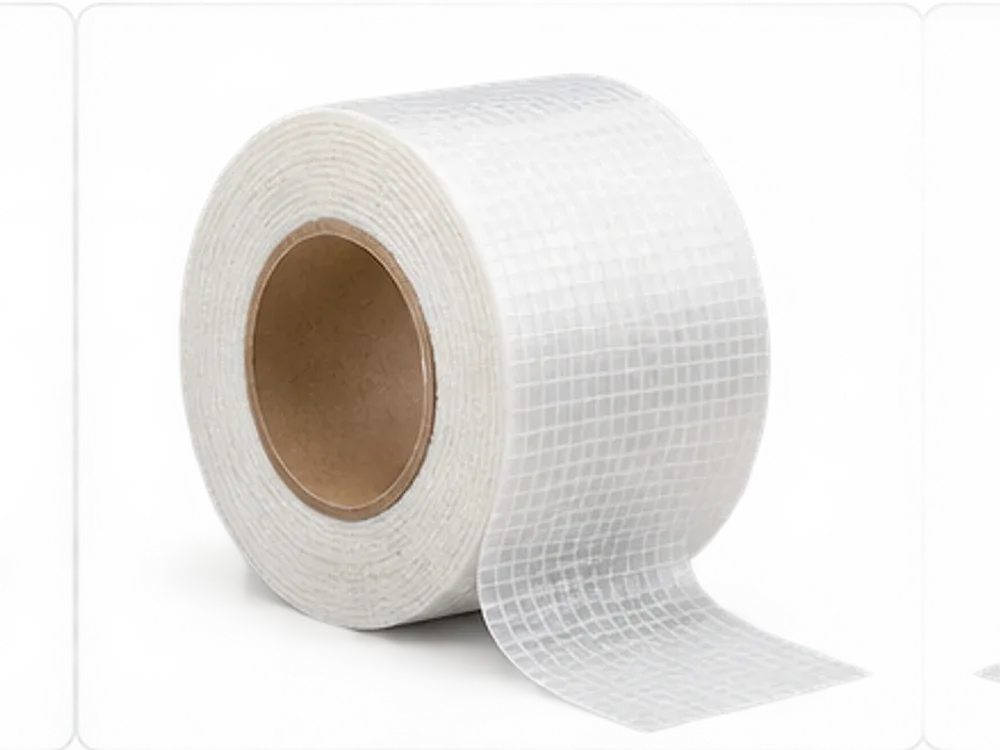
Ground vapour barrier, taped at the laps
Reinforced liner up the walls, pinned flat, every lap sealed. Code wants humidity control with it.
Show me themOn every job, whatever you are insulating afterwards.
An uninsulated hatch undoes a surprising share of the work — it is a hole in the ceiling you just spent a weekend insulating around.
The leaks you can feel, and the cheapest ones to close. Worth doing at the same time as the attic, because the stack effect pulling air out up there is what pulls it in down here.
Retailer links open a search — exact products, pricing, pack sizes and availability vary by store. Amazon links on this page are affiliate links; we may earn a commission at no extra cost to you. Full disclosure.
Ducts running through an unconditioned space leak conditioned air straight outside.
If ducts run through the attic or crawl space, they are leaking conditioned air into a space that is effectively outdoors. Mastic over the joints beats tape, which lets go in a few years.
For duct joints and seams. Cloth duct tape fails within a couple of years in an attic; foil tape is what the name was supposed to mean.
Retailer links open a search — exact products, pricing, pack sizes and availability vary by store. Amazon links on this page are affiliate links; we may earn a commission at no extra cost to you. Full disclosure.
For the gaps the core kit cannot close properly.
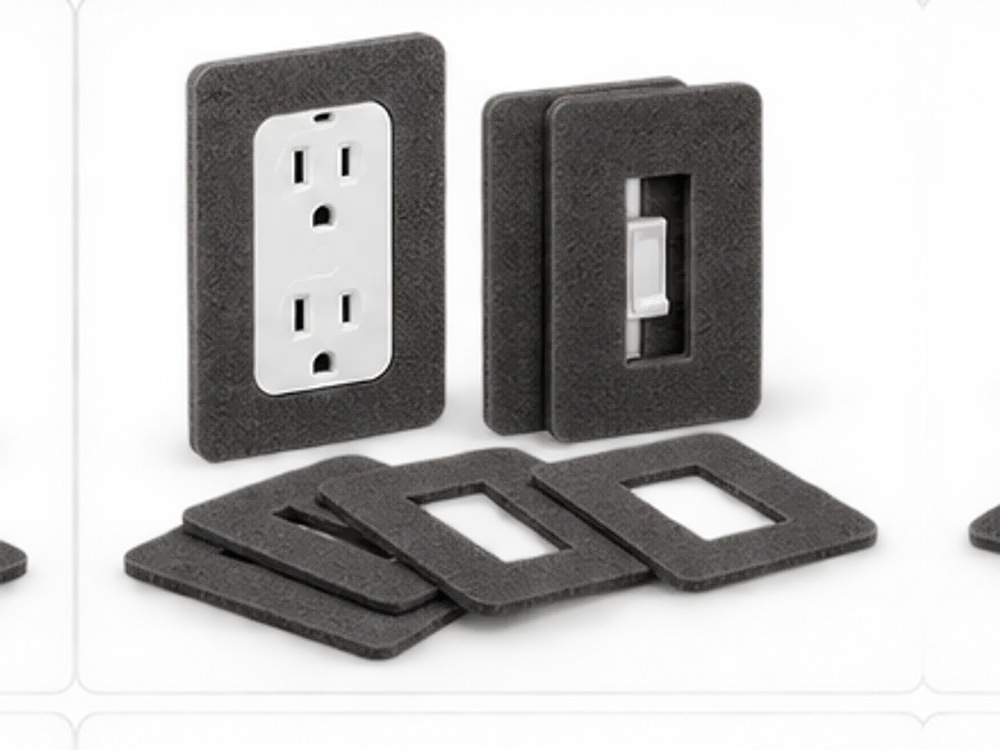
Foam plates behind the cover of every socket and switch on an exterior wall. Individually tiny, collectively a real hole — and about the cheapest air sealing there is.
For gaps too wide to caulk. Pack the rod in first and seal over it — sealant alone in a wide gap slumps, skins over and tears the first time the gap moves.
Holds board to masonry. Use one rated for polystyrene — a solvent-based adhesive dissolves the board it is meant to be sticking.
Air leaking round the edges of a garage door loses far more than the panels do. Seal the perimeter before you spend anything on insulating the door itself.
Retailer links open a search — exact products, pricing, pack sizes and availability vary by store. Amazon links on this page are affiliate links; we may earn a commission at no extra cost to you. Full disclosure.
Want to browse the whole category rather than our shortlist? This opens current air sealing results on Amazon, sorted by customer rating.
Shop air sealing on AmazonUse your dimensions and climate zone to turn this checklist into an exact shopping list.
No personal information required
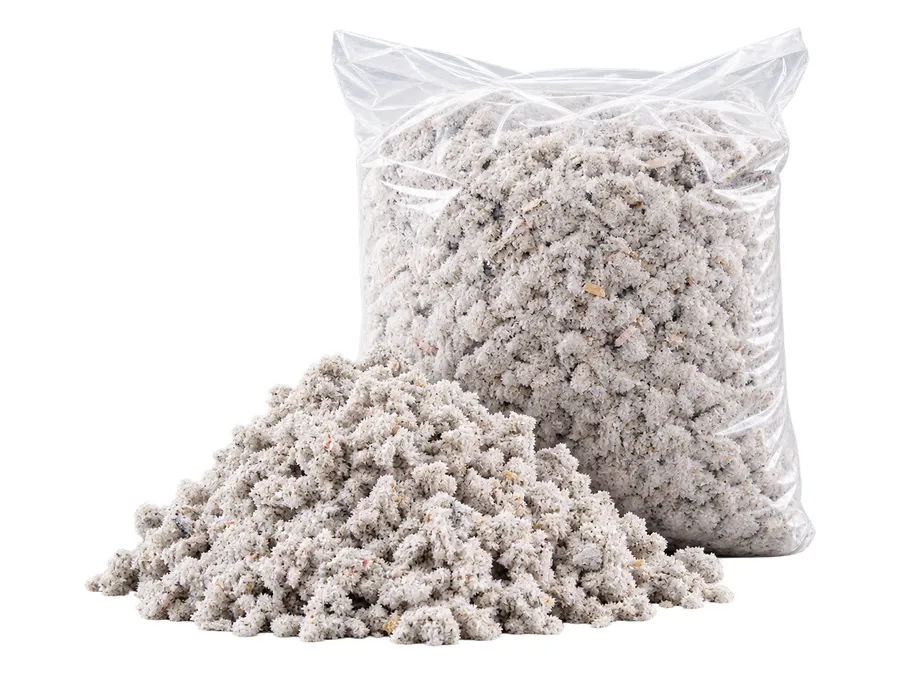 InsulationThe material itself. How much you need comes from your own measurements — coverage and pack sizes vary by brand, so the calculator gives you a bag or batt count rather than a guess.8 items
 Safety gearFibreglass and attic dust are a genuine respiratory hazard. A respirator, sealed goggles and gloves belong on every project, whatever you are insulating.10 items
 Measuring toolsGetting the area and the existing depth right is what decides whether the rest of the estimate means anything. Tape, laser, depth markers, moisture meter.23 items
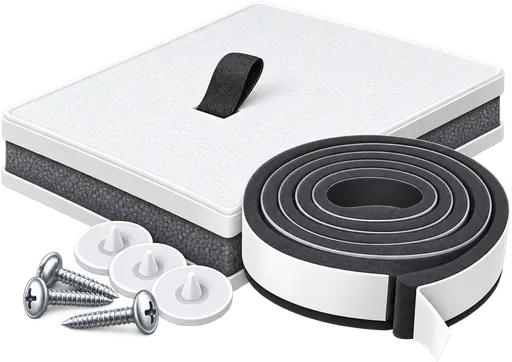 Attic accessoriesThe small items that get forgotten and cost a second trip: baffles, depth markers, hatch weatherstrip, walk boards, support rods.9 items
 Rechargeable headlampsHands-free lighting. Holding a phone torch is the usual reason a first attic trip ends early.3 items