Free, no signup
Attic Insulation Calculator
Enter your attic dimensions and what's up there now. You'll get the R-value to target, how deep to go, how many bags to buy, and what it costs to do yourself or hire out.
- No email required
- Shows the full calculation
- Takes about a minute
Your attic
Step 1 of 4
How big it is
What this job actually needs
Beyond the insulation itself: the air sealing that has to happen first, the baffles that keep the soffits clear, and the safety gear an attic genuinely requires.
- Essential
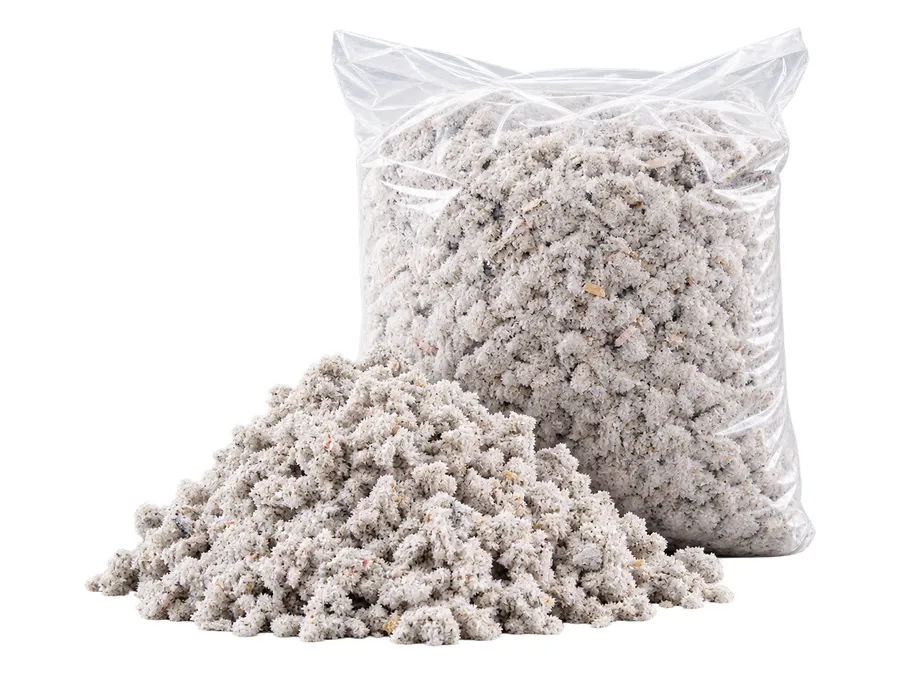
Blown-in cellulose
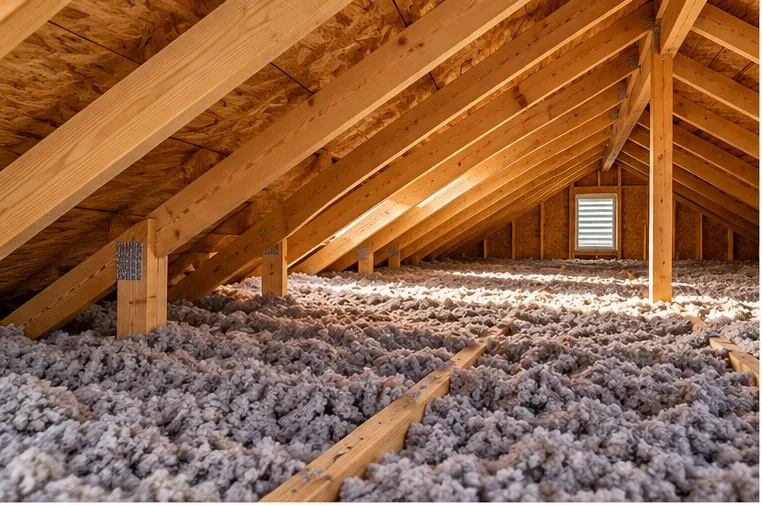
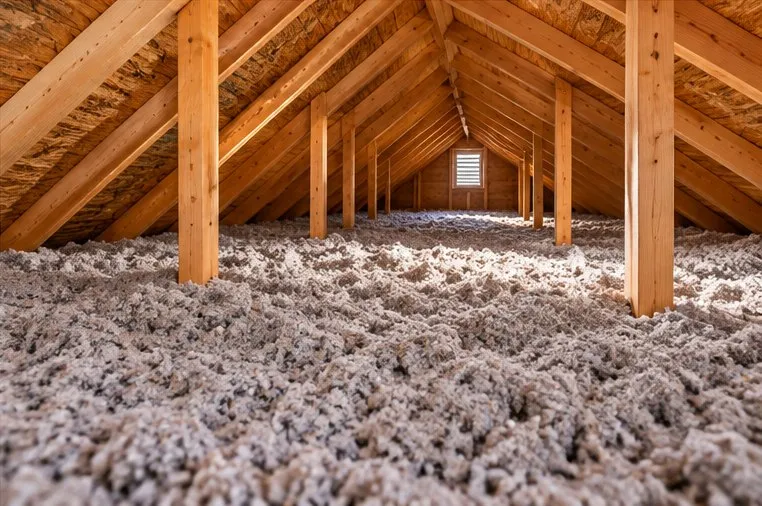
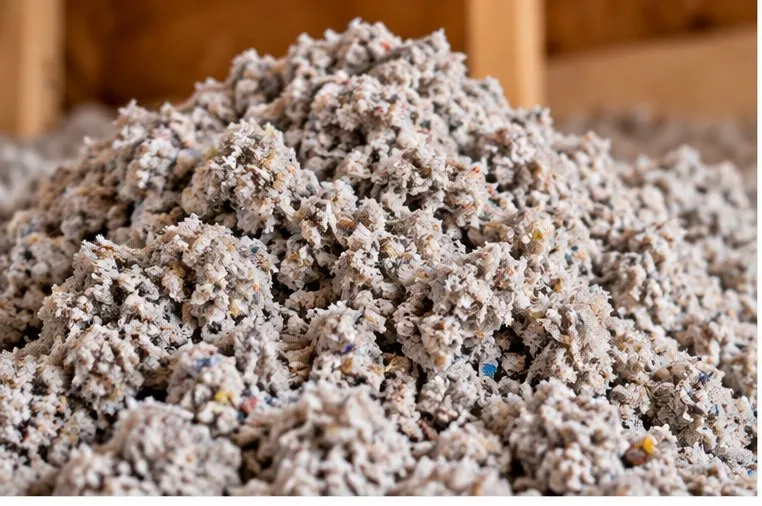
The usual choice for an attic floor. Made largely from recycled paper, it flows into irregular framing and around obstructions that batts leave gapped. Settles about 10–20%, which the calculator already allows for.
- Essential
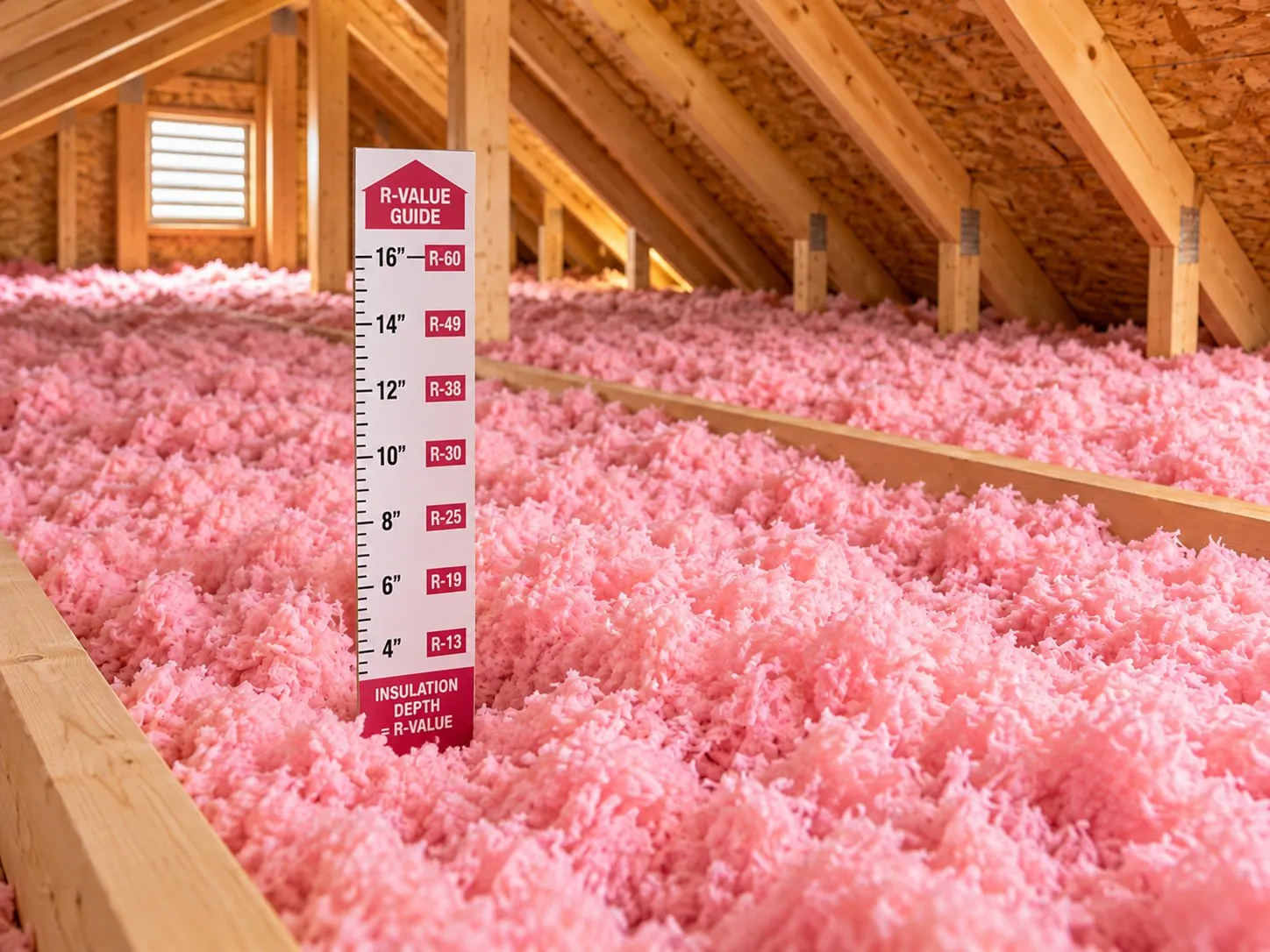
Blown-in fiberglass
Loose fill that does not absorb water and barely settles, which matters on older ceiling framing where the extra weight of cellulose is a consideration. Lower R-value per inch, so it needs more depth for the same target.
- Essential
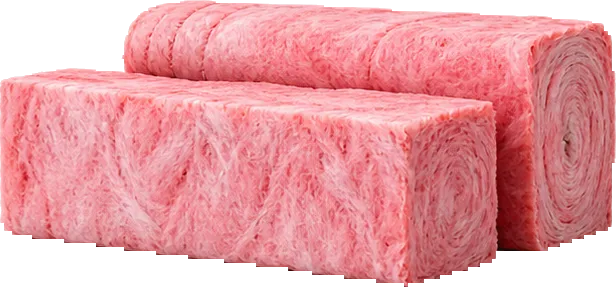
Fiberglass batts
The easiest entry point: no machine, no hire, and you can do a room at a time. Buy the batt that fits the cavity — compressing an R-19 into a 3½ inch bay gets you about R-13, not R-19.
- Essential
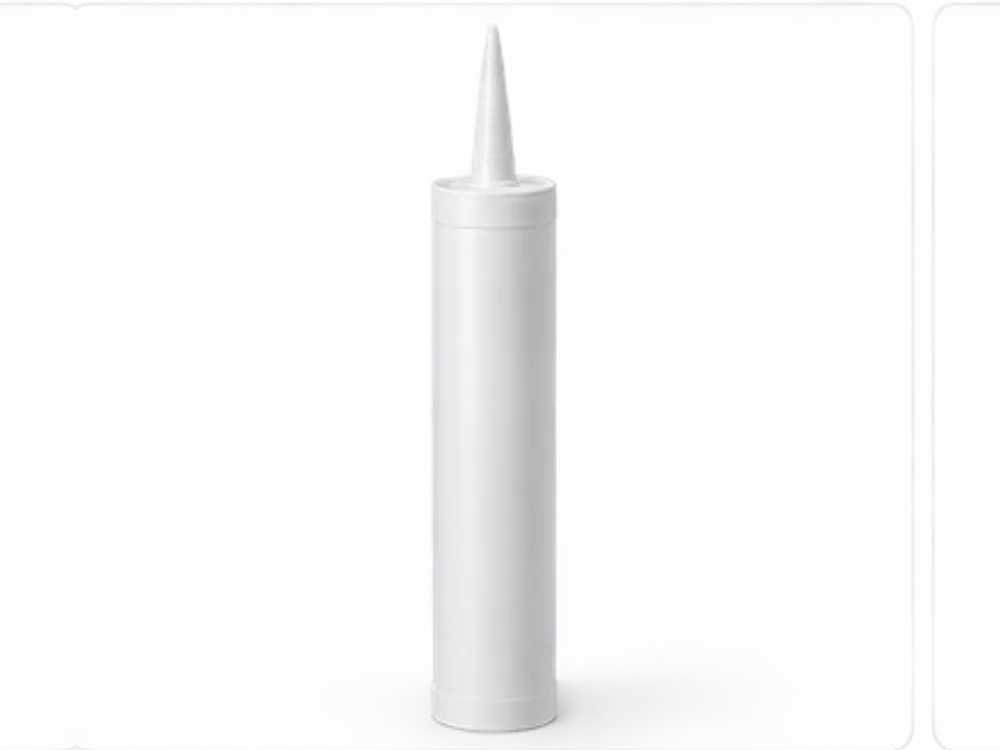
Acoustical or latex sealant
Seals top plates and the smaller gaps expanding foam is too coarse for.
- Essential
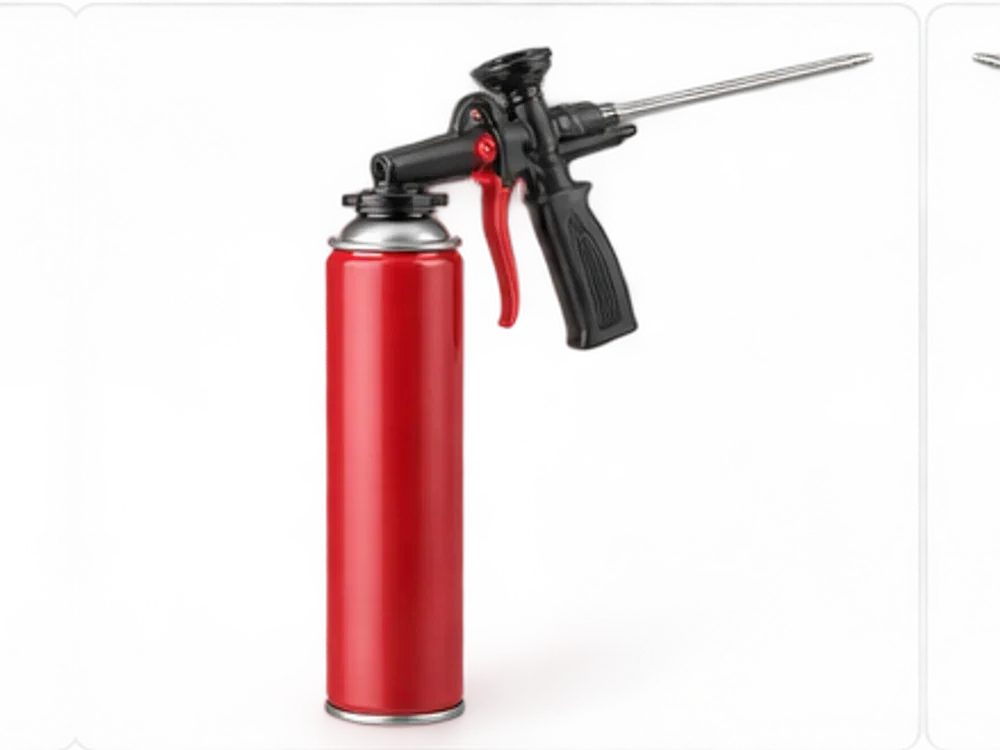
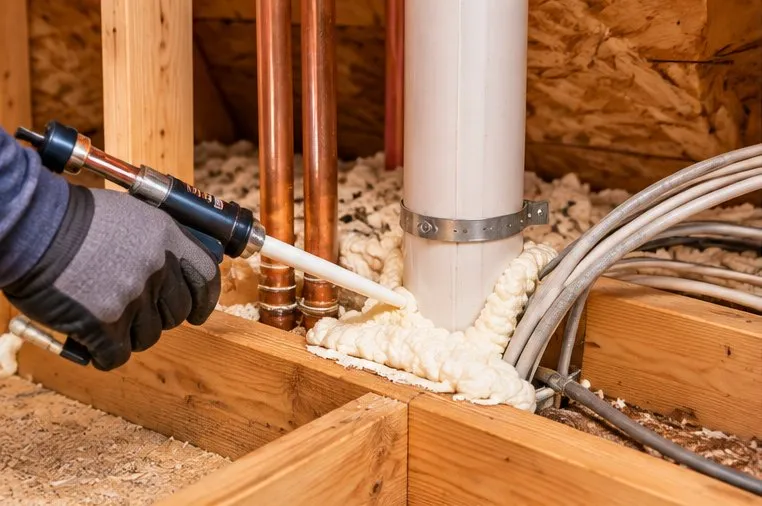
Fire-rated expanding foam
Seals gaps around flues, wiring and plumbing penetrations. Fire-rated specifically, because the gaps that leak most are the ones next to heat.
- Essential
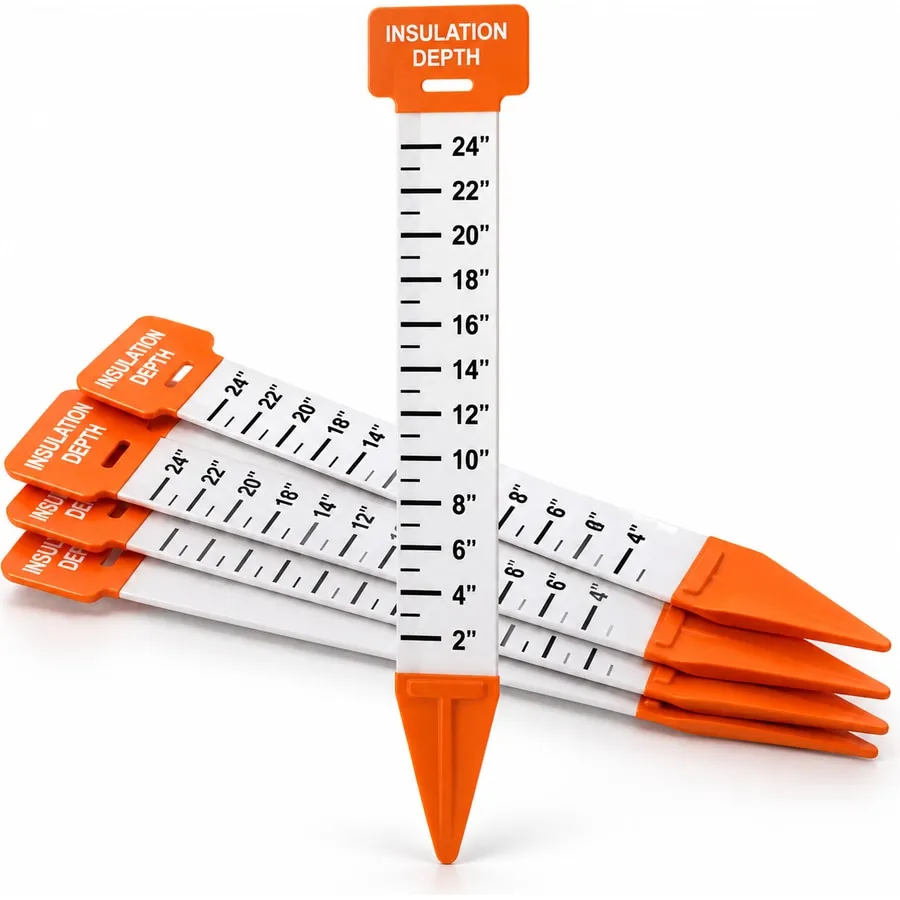
Insulation depth markers
Set to your target depth before you start. Blown insulation looks even when it is not, and this is the only way to know you have hit the R-value you paid for.
- Essential
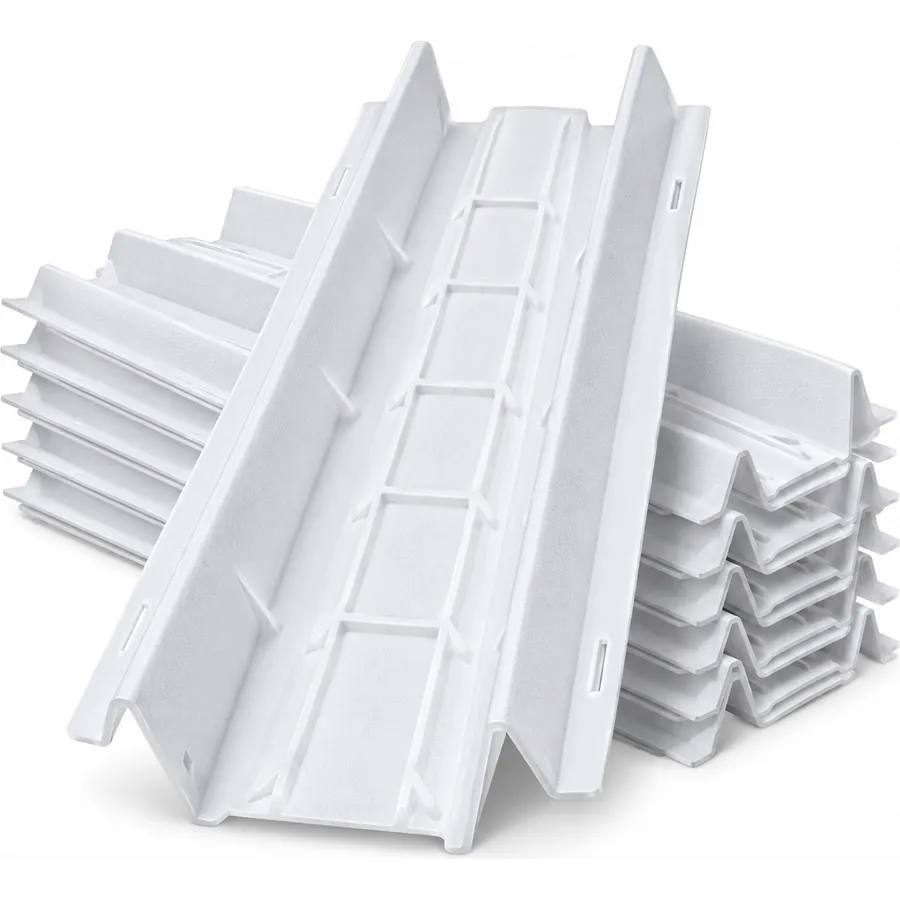
Rafter vent baffles
Keeps the soffit vents clear once insulation is deep enough to block them. Blocked vents cause moisture and ice dams.
- Essential
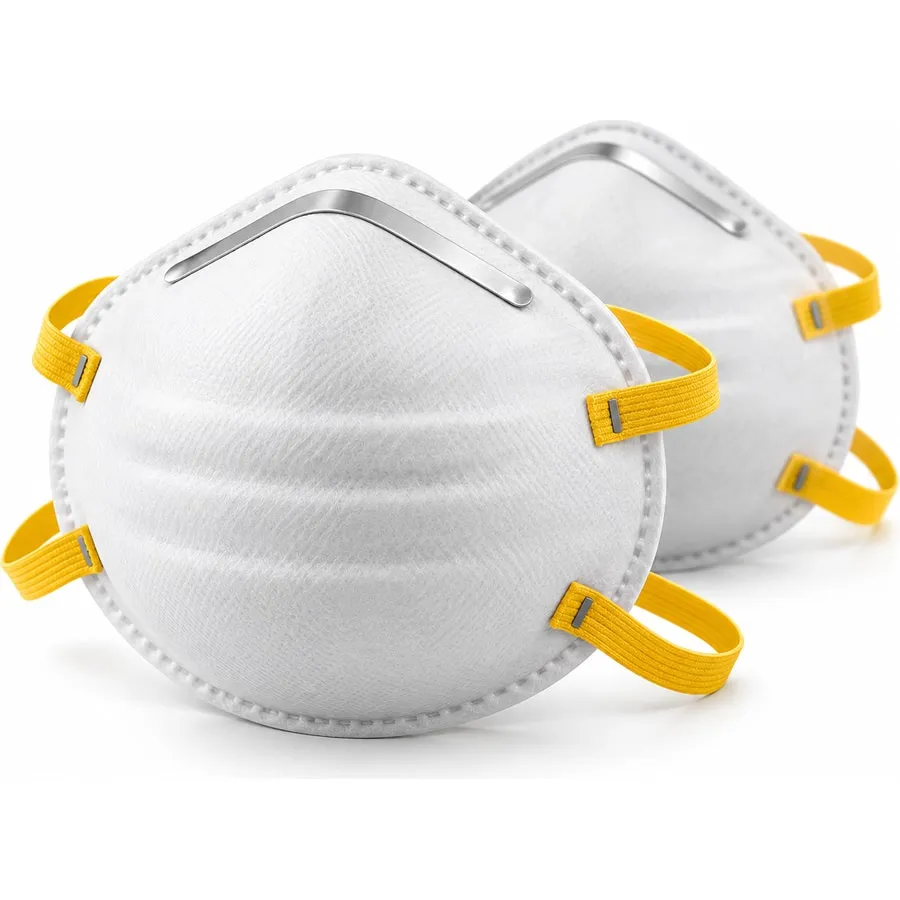
N95 disposable mask
The minimum for loose fibers and settled attic dust, and the one item never to skip. A surgical or cloth mask filters neither. Disposable, so buy a box rather than one.
- Essential

Sealed safety goggles
Sealed rather than open-sided, because you will be working below the material and looking up into it.
- Essential

Work gloves
Fiberglass irritates skin on contact and the fibers are hard to wash out afterwards.
- Essential
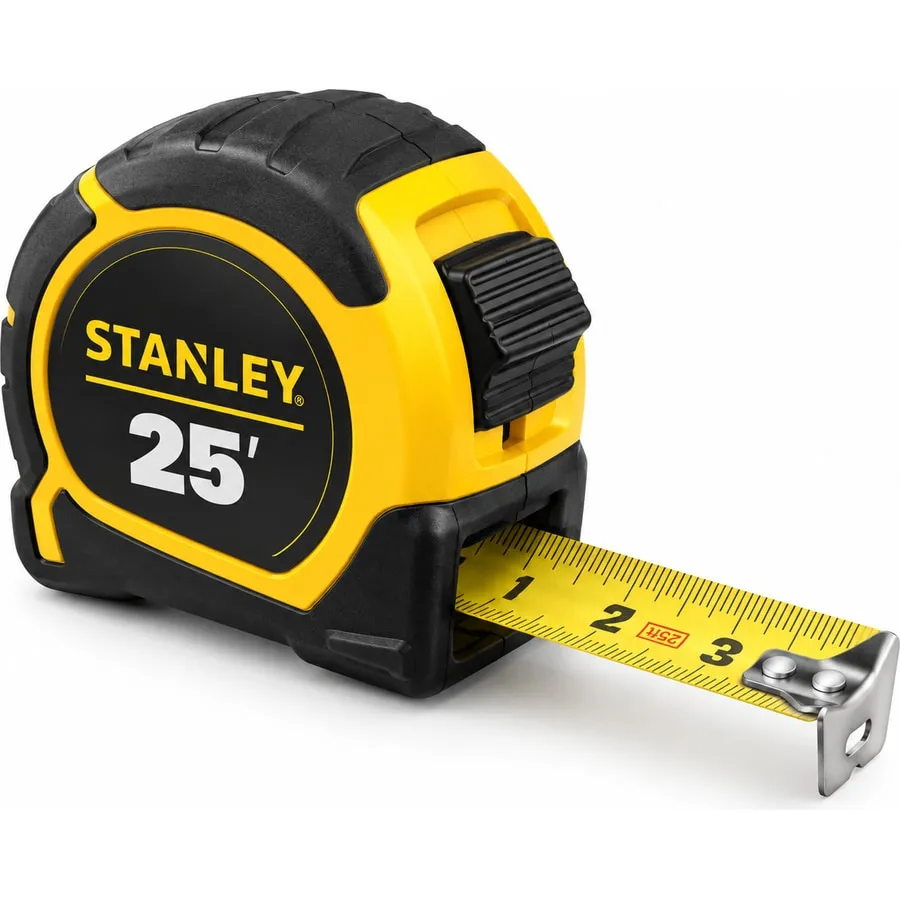
Tape measure
For the area figure this calculator runs on, and for cutting batts to the cavity.
- Recommended
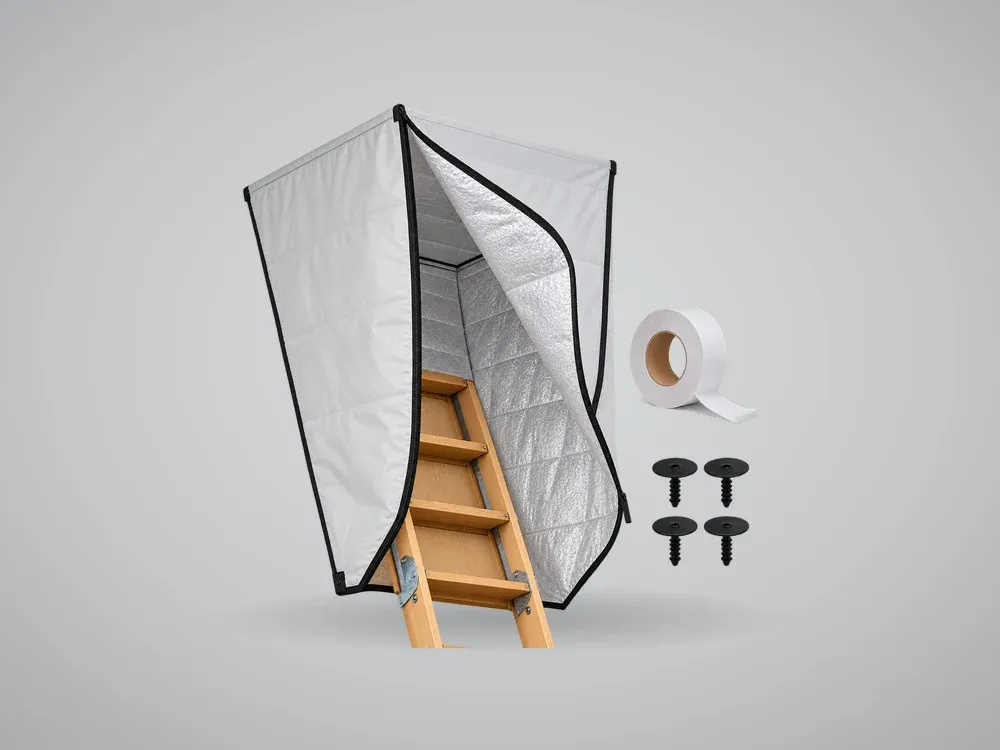
Attic ladder insulation cover
A zipped, insulated tent over the hatch from inside the attic. A pull-down ladder is a large uninsulated hole in the ceiling and one of the biggest single leaks in most houses.
Retailer buttons open a search at that store — exact products and pack sizes vary by location.
Affiliate links — we may earn a commission if you purchase through these links, at no extra cost to you. As an Amazon Associate I earn from qualifying purchases. Products are chosen on whether they suit the job, never on commission. Full disclosure.
Common questions
Can I add new insulation over old insulation?
Yes, in almost every case. Blown-in insulation goes straight over existing loose fill or batts. The one thing to avoid is laying faced batts (with a paper or foil vapor barrier) on top of existing insulation — the trapped barrier can cause moisture problems. Use unfaced batts or loose fill instead.
How deep should attic insulation be?
Depth depends entirely on material. R-60 needs about 17 inches of blown cellulose, 24 inches of blown fiberglass, or 15 inches of mineral wool. The calculator works out the depth for whichever material you pick.
How do I find out my current R-value?
Measure the depth of what is already there with a ruler, then identify the material by sight. Gray shredded paper is cellulose, fluffy white or yellow is loose-fill fiberglass, pink or yellow rolls are batts. The calculator converts depth and material into an estimated R-value.
Do I need to remove the old insulation first?
Usually not. Remove it only if it is wet, moldy, rodent-infested, fire-damaged, or if it is vermiculite that may contain asbestos. Otherwise, adding on top is cheaper and works just as well.
Is attic insulation a realistic DIY job?
Blown-in insulation in an accessible attic with a walkable floor is one of the more approachable home projects — most people finish in a day. It becomes a professional job if access is tight, there is knob-and-tube wiring, the attic has moisture problems, or you are considering spray foam.
Should I air seal before insulating?
Yes, and it matters more than most people expect. Insulation slows heat conduction but does nothing about air leaking through gaps around light fixtures, flues, and top plates. Sealing those first is what makes the insulation actually perform. Once insulation is down, you cannot reach them.