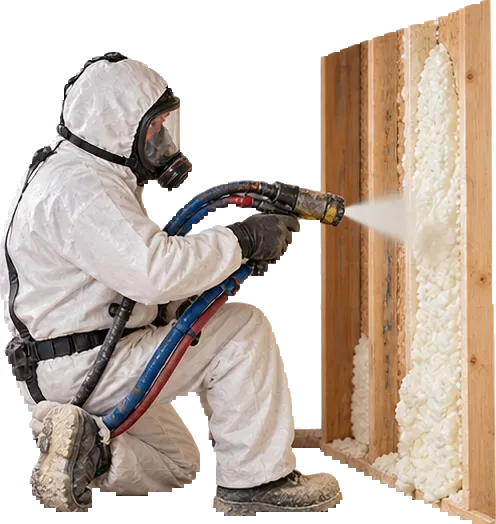
Three ways to find an installer
In rough order of how well they tend to work.
Your utility's efficiency program
Best first stopMost energy utilities keep a list of participating insulation contractors, often with rebates attached that cut the cost meaningfully. The vetting is real, because the utility is paying part of the bill.
How to find your utility programGet matched with local installers
FastestAngi matches your request with local insulation contractors, who come back to you with quotes. Have the numbers above ready when they call.
Get free local installer quotes(opens in a new tab)Opens Angi, an independent marketplace. A request there goes to several local pros, who contact you directly. We are not paid for this link and send Angi nothing about you.
Find contractors yourself
Local referrals, building supply yards, or a lead marketplace like Angi or Thumbtack. On a marketplace, understand the model: your details go to several contractors who then compete for you, so expect prompt and persistent contact.
What to ask themWhichever route you take, get three quotes. Two is not enough to spot an outlier. The rest of this page is how to make them comparable — most quotes differ in scope, not price.
Where we stand
We are building direct relationships with insulation contractors, and we are paid when we pass a request to one. What we are not doing is inventing company listings or publishing a directory we have not vetted. If you would rather not go through us, this page is the honest version of how to find someone yourself — and you can request quotes through us if you would.
What we can do is tell you how to get good quotes yourself — which is most of the value anyway. The risk is rarely finding a contractor; it is not knowing what you should be getting for the money.
Finding installers
Three approaches, roughly in order of how well they tend to work:
- Your utility's rebate program. Start here. Most energy utilities keep a list of participating insulation contractors, often with rebates attached that cut the cost meaningfully. The vetting is real, because the utility is paying part of the bill.
- Local referrals. Neighbors with similar houses, local building supply yards, or a home inspector. Insulation is regional work and reputation travels.
- Lead marketplaces. Angi, Thumbtack, and similar. They work, but understand the model: your details are sold to several contractors who then compete for you. Expect prompt and persistent contact.
Get three quotes. Two isn't enough to spot an outlier.
What a quote must include
Insulation quotes are hard to compare because they routinely cover different scopes. A quote that is 30% cheaper is usually not cheaper — it is a smaller job.
low bid
- Target R-value stated in writingIncludedNot included
- Material and installed depthIncludedNot included
- Air sealing before insulatingIncludedNot included
- Rafter vent bafflesIncludedNot included
- Attic hatch insulatedIncludedNot included
- Recessed light covers where neededIncludedNot included
- Cleanup and disposalIncludedIncluded
- License and insurance numbersIncludedNot included
A quote missing the right-hand items is not cheaper — it is a smaller job. Air sealing and baffles are the two most commonly excluded, and they are the two that most affect whether the insulation performs.
Normalising three quotes
Convert each to cost per square foot at the R-value being added, then check scope. Here is the pattern that usually emerges on a 1,240 sq ft attic.
Quote A
$1.17/sq ft
$1,450
- Included Insulation to R-49
- Included Cleanup
- Not included Air sealing
- Not included Baffles
- Not included Hatch
Cheapest, but a different job
Quote B
$1.69/sq ft
$2,100
- Included Insulation to R-60
- Included Air sealing
- Included Baffles
- Included Hatch
- Included Cleanup
Complete scope
Quote C
$1.81/sq ft
$2,250
- Included Insulation to R-60
- Included Air sealing
- Included Baffles
- Included Hatch
- Included Cleanup
Complete scope, slightly higher
These are illustrative figures, not real quotes. We have no contractor network and no quote data — this shows the shape of the comparison so you can run it on quotes you actually receive. Our attic cost ranges give you a reference to check them against.
Questions worth asking
- "Will you air seal before insulating?" The single most revealing question. Anyone who says it isn't necessary is not the right contractor — once insulation is down, the gaps underneath are unreachable.
- "How will I verify the depth?" Good answer: depth markers installed and photographed. Vague answer: a problem, because depth is the only thing that determines whether you got the R-value you paid for.
- "What's your plan for the soffit vents?" Should mention baffles without prompting.
- "Is there knob-and-tube wiring?" If yes, most codes prohibit burying it. It needs replacing first.
- "What happens if you find moisture or mold?" Should be a change-order conversation, not a surprise on the invoice.
- "Do you handle the utility rebate paperwork?" Many do, and it's worth real money.
Red flags
- Pressure to sign immediately. Insulation is never an emergency.
- Large deposit up front. A modest deposit is normal; most of the money is due on completion.
- No written scope. A verbal "we'll bring it up to code" is not a quote.
- Quoting without seeing the attic. Access and obstructions drive the price. A phone quote is a guess.
- Dismissing air sealing. Covered above, and worth repeating.
- Specific energy savings promises. "This will cut your bill 40%" is not something anyone can know without your actual usage data.
- Pushing spray foam for a standard vented attic. Usually a margin decision, not a technical one.
Comparing what comes back
Normalize the quotes before comparing. Convert each to cost per square foot at the R-value being added, then check whether air sealing and baffles are in or out.
Our attic cost estimates give you a reference range. A quote well below it usually means a reduced scope rather than a bargain; well above it means either genuinely difficult access, or a contractor who doesn't want the job.
And it's worth running the numbers yourself first. A contractor quoting R-38 when your zone calls for R-60 is a conversation you can only have if you know the target.
Compare your quotes
Put two or three quotes in and they are converted to the same basis — cost per square foot, and cost per R-value added. Nothing is sent anywhere; this runs in your browser.
- Per sq ft
- —
- Per R, per sq ft
- —
Not included (6): air sealing before insulating, rafter baffles at the eaves, hatch or access door insulated, removing the existing insulation, cleanup and disposal, final r-value in writing. That is scope the others may be carrying.
- Per sq ft
- —
- Per R, per sq ft
- —
Not included (6): air sealing before insulating, rafter baffles at the eaves, hatch or access door insulated, removing the existing insulation, cleanup and disposal, final r-value in writing. That is scope the others may be carrying.