Free, no signup
Spray Foam Insulation Calculator
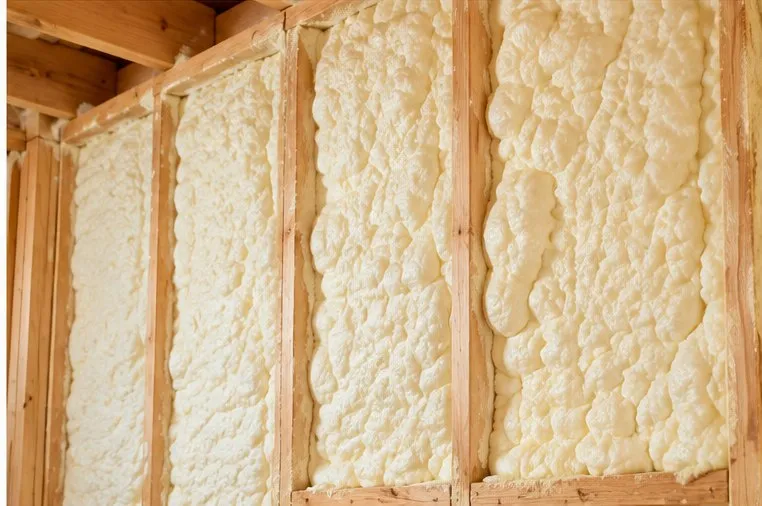
Spray foam is quoted in board feet — one square foot at one inch thick. Tell us what you're spraying and how big it is, and we'll work out the board feet, the R-value you'll actually get, what it costs installed, and whether a DIY kit makes any financial sense.
- No email required
- Shows the board-foot math
- Honest about DIY kits
Where
Step 1 of 4
What you are spraying
Before the sprayers arrive
Two-component foam is not a DIY job, but the inspection and preparation around it is. These are the tools for working out what you actually have.
- Essential
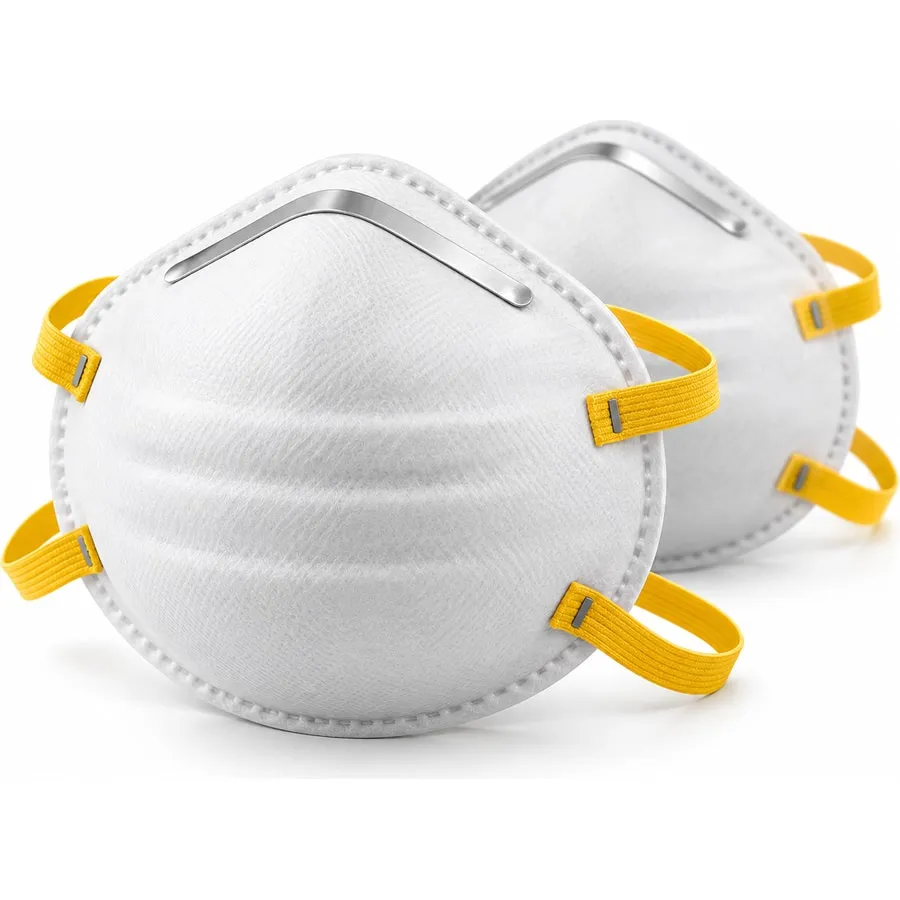
N95 disposable mask
The minimum for loose fibers and settled attic dust, and the one item never to skip. A surgical or cloth mask filters neither. Disposable, so buy a box rather than one.
- Essential

Sealed safety goggles
Sealed rather than open-sided, because you will be working below the material and looking up into it.
- Essential

Work gloves
Fiberglass irritates skin on contact and the fibers are hard to wash out afterwards.
- Essential
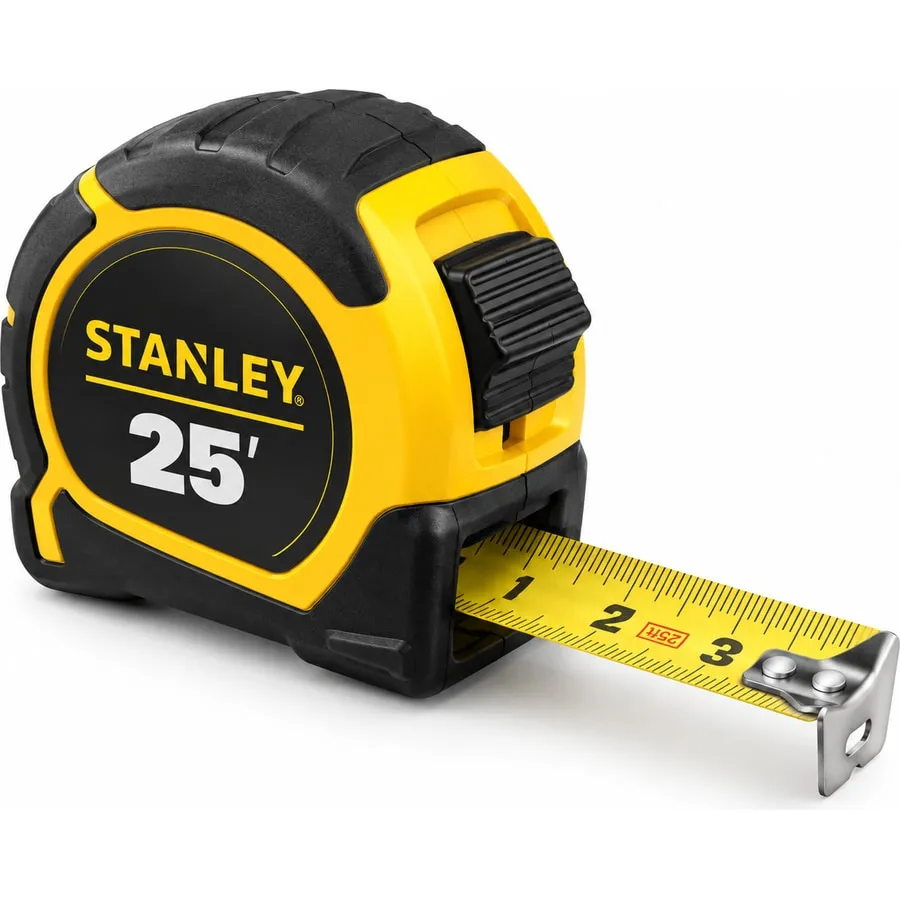
Tape measure
For the area figure this calculator runs on, and for cutting batts to the cavity.
- Recommended

Moisture meter
Check the joists and subfloor before you cover them. Insulating over damp wood hides a problem that gets more expensive the longer it is hidden.
- Recommended
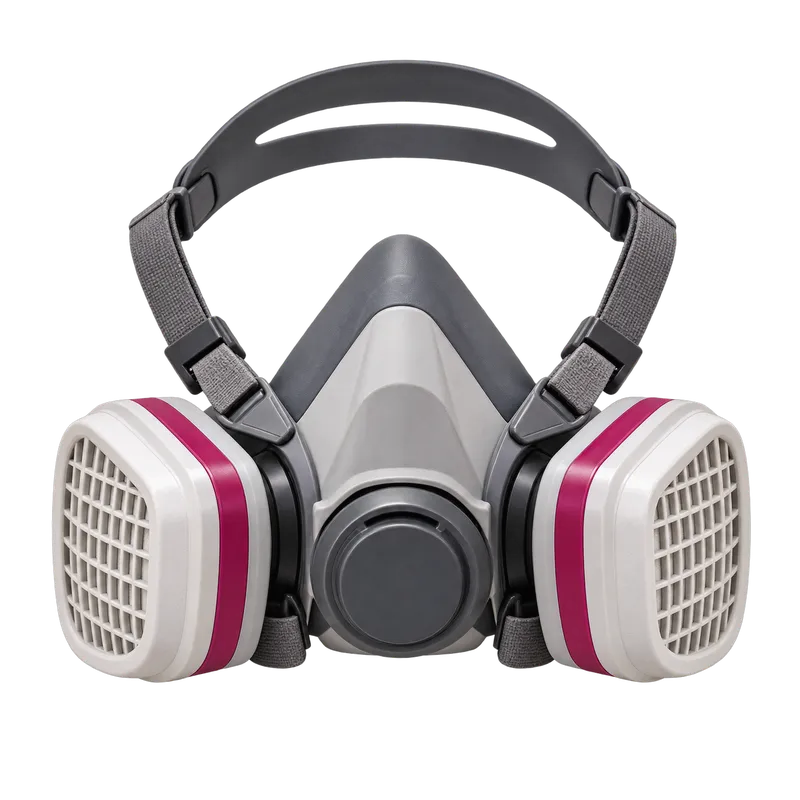
Half-mask respirator
Reusable, seals far better than a disposable, and takes P100 cartridges. Worth it for spray foam, for a dusty retrofit, or for any job long enough that a paper mask sags.
- Recommended
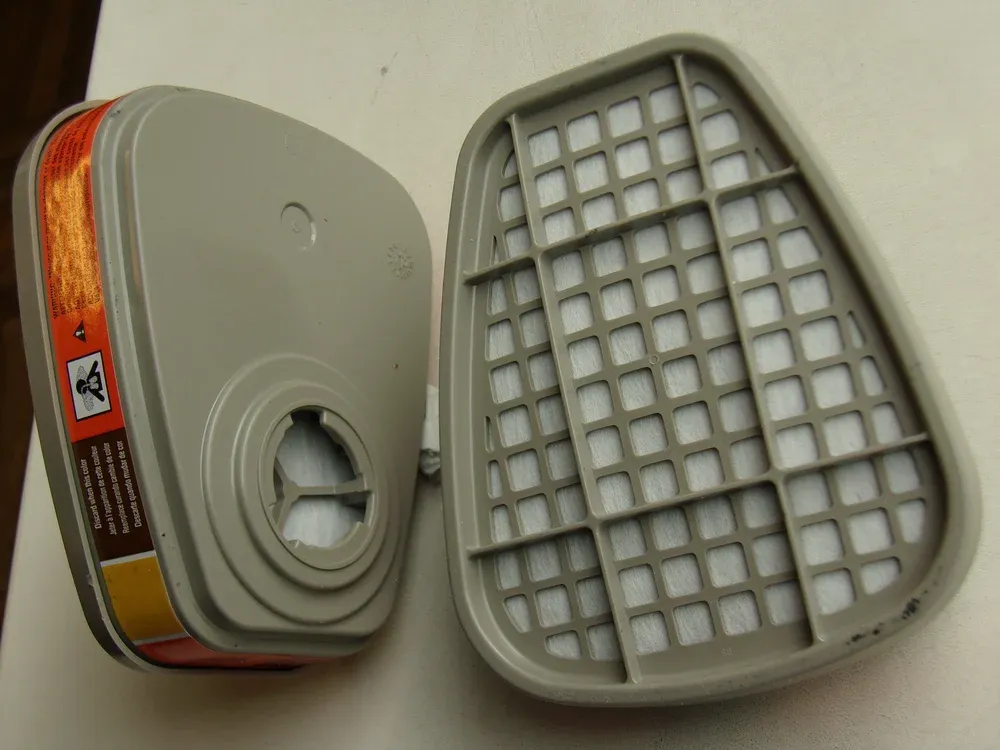
P100 replacement cartridges
Cartridges load up and stop filtering, and a half-mask with spent cartridges is a false sense of safety. Buy a spare pair with the mask rather than after.
- Recommended
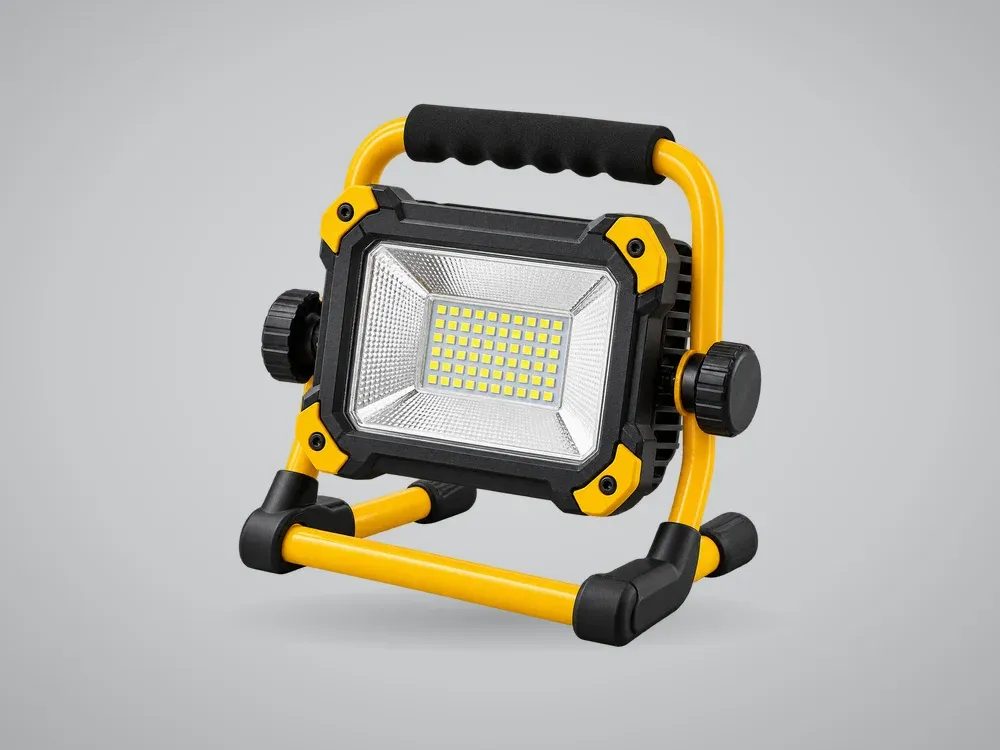
Rechargeable work light
A headlamp lights where you look; a standing light lights the whole bay so you can see what you have missed.
- Nice to have
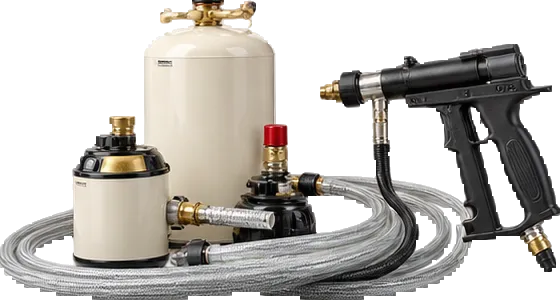
Two-component spray foam kit
Worth it for rim joists and awkward cavities, rarely for whole walls — real-world yield runs well under the board feet on the box, and past about 600 board feet a contractor is usually cheaper. Needs a supplied-air respirator, not a cartridge mask.
- Nice to have
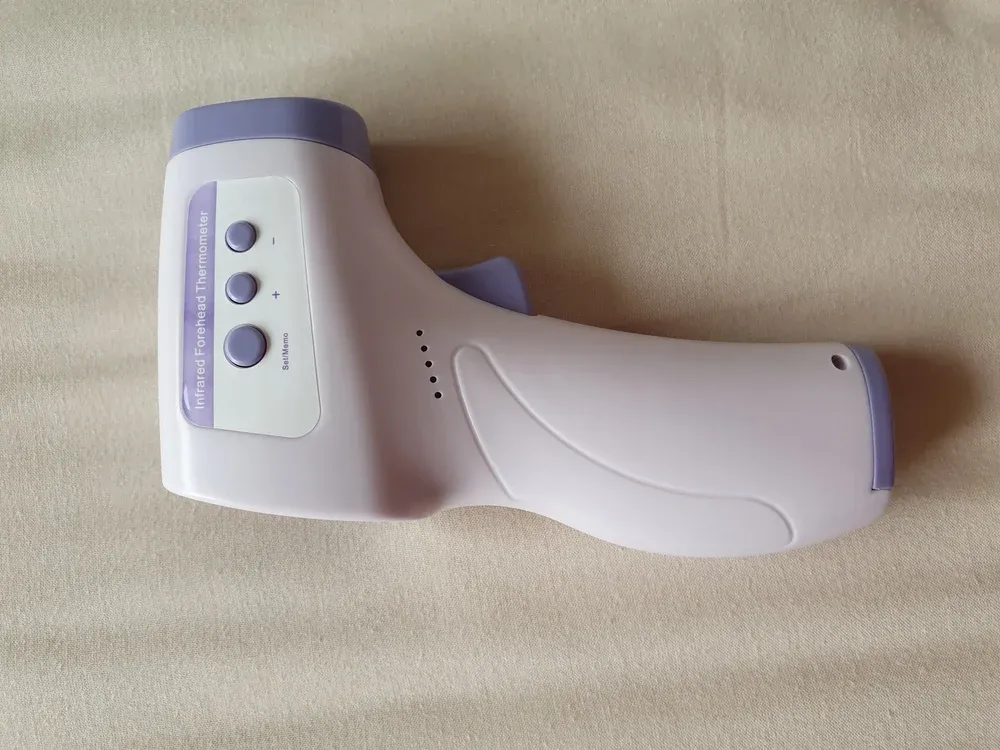
Infrared thermometer
Finds the cold spots worth sealing before you insulate, and confirms afterwards that they are gone.
- Nice to have

Inspection mirror
Lets you see into eave bays and behind obstructions without crawling the last three feet to get there.
- Nice to have
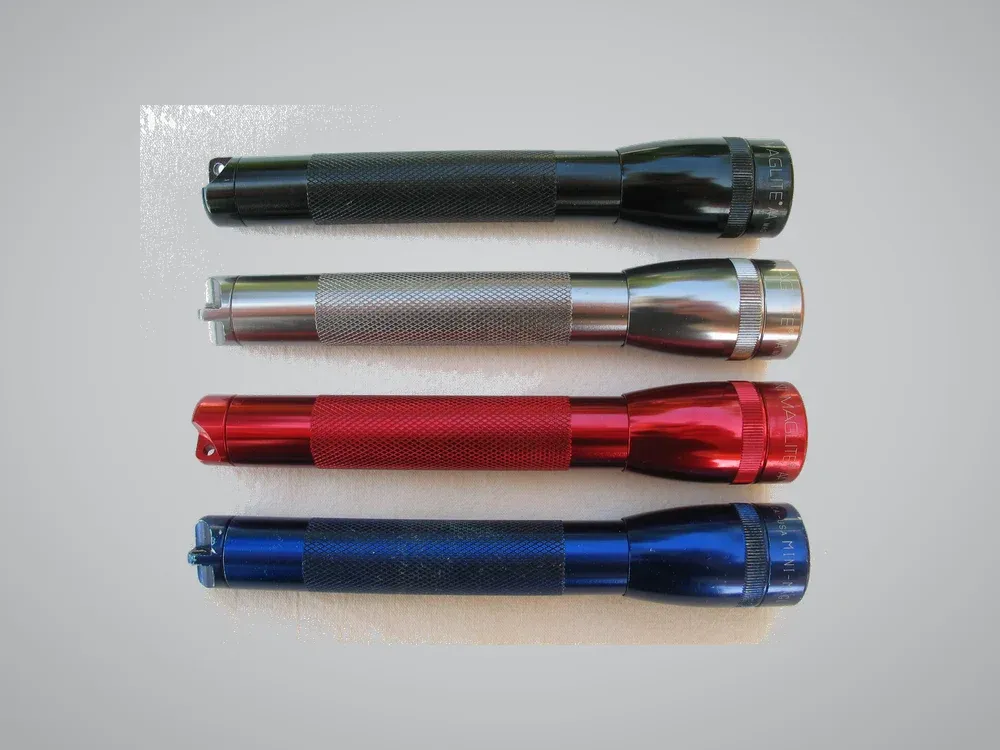
Handheld flashlight
For checking into eave bays and behind obstructions before committing to a plan.
Retailer buttons open a search at that store — exact products and pack sizes vary by location.
Affiliate links — we may earn a commission if you purchase through these links, at no extra cost to you. As an Amazon Associate I earn from qualifying purchases. Products are chosen on whether they suit the job, never on commission. Full disclosure.
Common questions
What is a board foot?
One square foot at one inch thick. The Spray Polyurethane Foam Alliance defines it as a volume of 12 by 12 by 1 inches, which makes the arithmetic exact: board feet equals area in square feet times thickness in inches. Spray foam is quoted this way rather than by the bag, because thickness varies by application.
Should I pick a thickness or a target R-value?
Thickness, and this calculator asks for it that way deliberately. Working backwards from an R-value produces impossible answers: R-49 of open-cell foam needs 13 inches, which does not fit in any rafter bay. Thickness is the physically real input, so we preset what installers actually apply for each application and show you the R-value that results. You can override the thickness, and we warn you if it will not fit or will not develop its rated R-value.
Open-cell or closed-cell?
Closed-cell gives nearly twice the R-value per inch, acts as its own vapor retarder from about 2 inches, and adds structural stiffness — the usual choice for crawl space walls and rim joists. Open-cell costs roughly a third as much per board foot and stays vapor-permeable, so the assembly can dry, which is right in some places and wrong in others. For a wall cavity or an attic roofline either can be correct depending on your climate zone.
Are DIY spray foam kits cheaper than hiring someone?
Almost never, once you account for real-world yield. The board-foot figure on the box is a theoretical laboratory number — DuPont says so about its own product. Cold substrate alone costs 10 to 25% of yield, and a first-timer wastes considerably more through ratio errors and technique. Large closed-cell kits land at or above professional installed cost per board foot before counting your own labor, and small kits run several times higher. The genuine case for a kit is a job too small for any contractor to mobilise for.
Does closed-cell foam lose R-value over time?
Yes, a little. The blowing agent diffuses out over the first five to ten years, costing roughly 5 to 10%. Initial values of R-7 per inch are commonly advertised; the aged figure is nearer R-6.5, and that is what this calculator uses, because the aged number is what your house actually gets for most of its life. Open-cell foam is water-blown and does not drift.
Does spray foam have to be covered?
Usually, and it is fire code rather than a finish preference. IRC R316.4 requires a 15-minute thermal barrier — normally ½ inch gypsum board — over foam in an occupied space. Attics and crawl spaces entered only for repairs need only an ignition barrier under R316.5.3, and in practice most installers use an approved intumescent coating instead, at roughly $0.75 to $1.50 per square foot installed. Rim joists are the exception: the IRC permits exposed foam below 3¼ inches, which is a good reason to cap the thickness there.
Why is there a minimum job charge?
Because mobilisation dominates a small foam job. The rig has to arrive, the chemical has to come up to temperature, and the hoses have to be purged whether you are spraying 200 board feet or 4,000. Expect $500 to $1,500 as a floor. Labor is 50 to 60% of a spray foam job — a higher share than any other insulation — which is also why regional rates move these estimates more than they would elsewhere.
Can I spray foam into a finished wall?
No. Spray foam expands as it cures and needs an open cavity to expand into; injecting it behind drywall can bow or crack the wall. For a finished wall the options are dense-pack cellulose, blown fiberglass, or a purpose-made injection foam, all installed through drilled holes.
Related reading
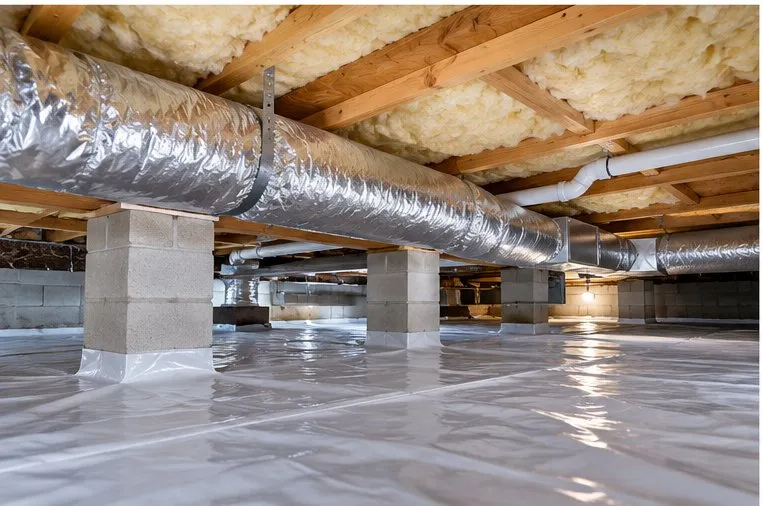
Spray foam insulation
How it works, where the extra cost is justified, and where it is not.
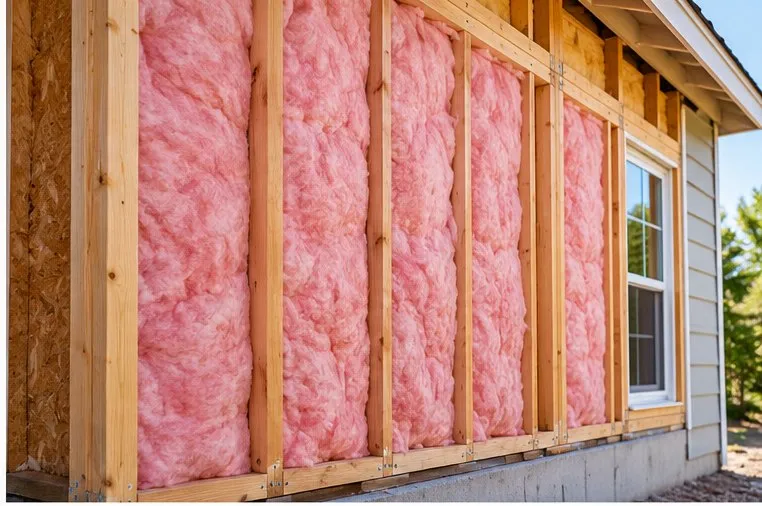
Open-cell vs closed-cell
The choice this calculator asks you to make, explained properly.
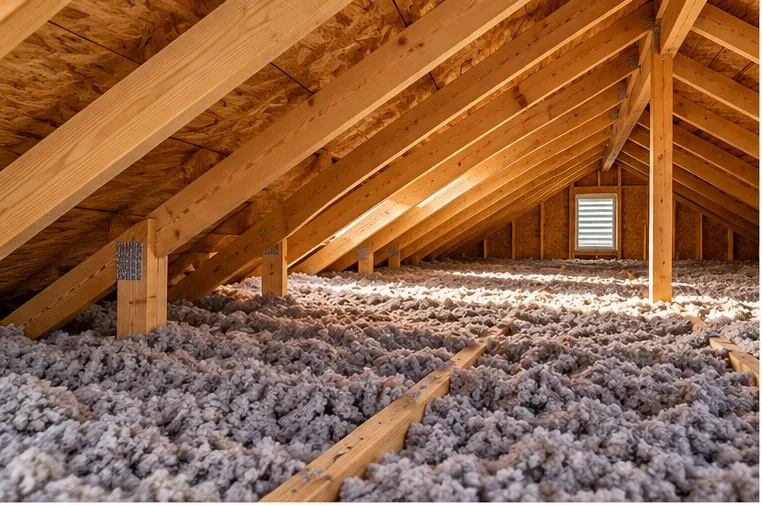
What R-value do I need?
Including the code minimums that constrain an unvented roof assembly.
Attic calculator
If you are comparing foam against blown-in, price both.