R-value per inch by material
R-value per inch, ranked
Bar shows the published range
- R-6.0–7.0
- Polyiso boardR-5.6–6.5
- XPS boardR-5.0
- R-3.7–4.2
- EPS boardR-3.6–4.2
- R-3.5–3.8
- R-3.2–3.8
- R-3.1–3.4
- R-2.2–2.7
Higher is not automatically better. R-per-inch matters where depth is limited — a 2x4 wall, a rim joist, a cathedral ceiling. In an open attic, cost per R-value matters far more, and the cheapest materials per unit R are the two at the bottom of this chart.
| Material | R per inch | Typical thickness | Common use |
|---|---|---|---|
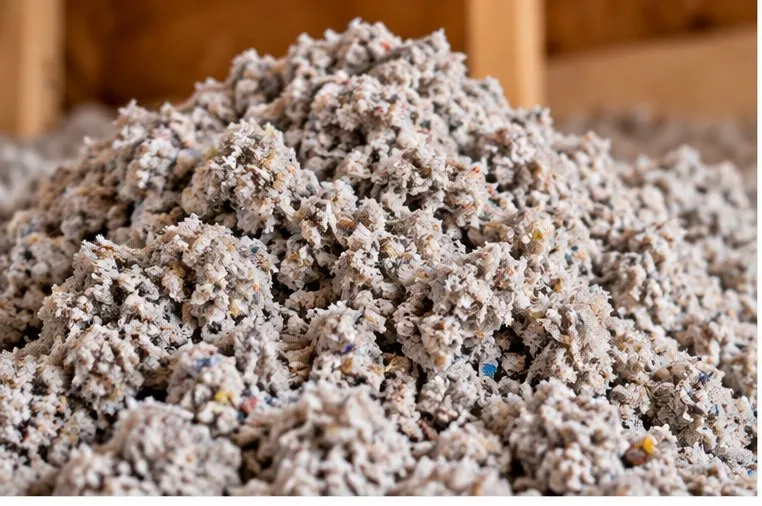
| Blown cellulose | 3.2–3.8 | 10–17" | Attic floors, dense-pack walls |
| Blown fiberglass | 2.2–2.7 | 14–24" | Attic floors |
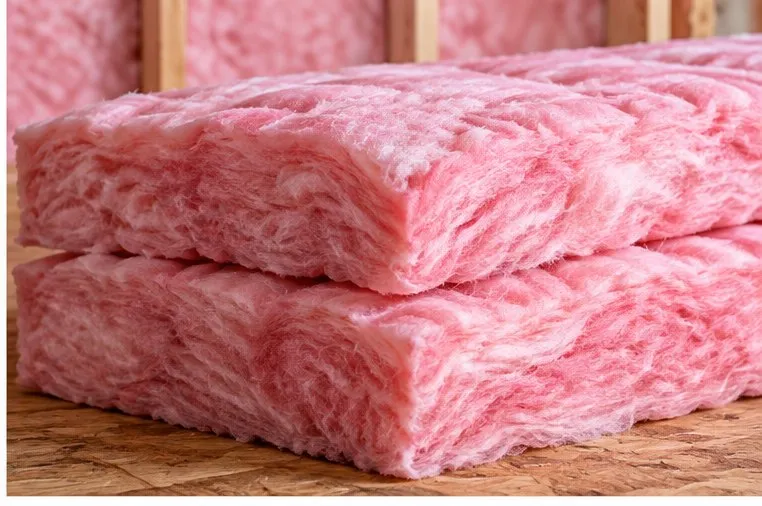
| Fiberglass batts | 3.1–3.4 | 3.5–12" | Open joist and stud cavities |
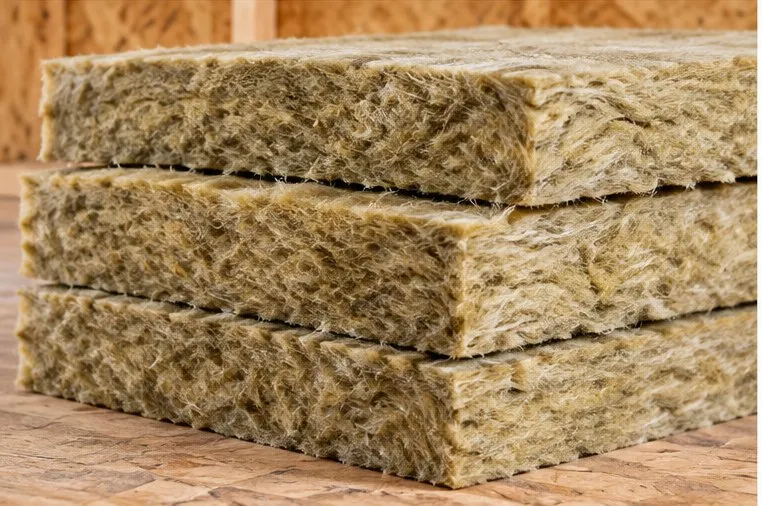
| Mineral wool batts | 3.7–4.2 | 3.5–7.25" | Walls, sound control, fire separation |
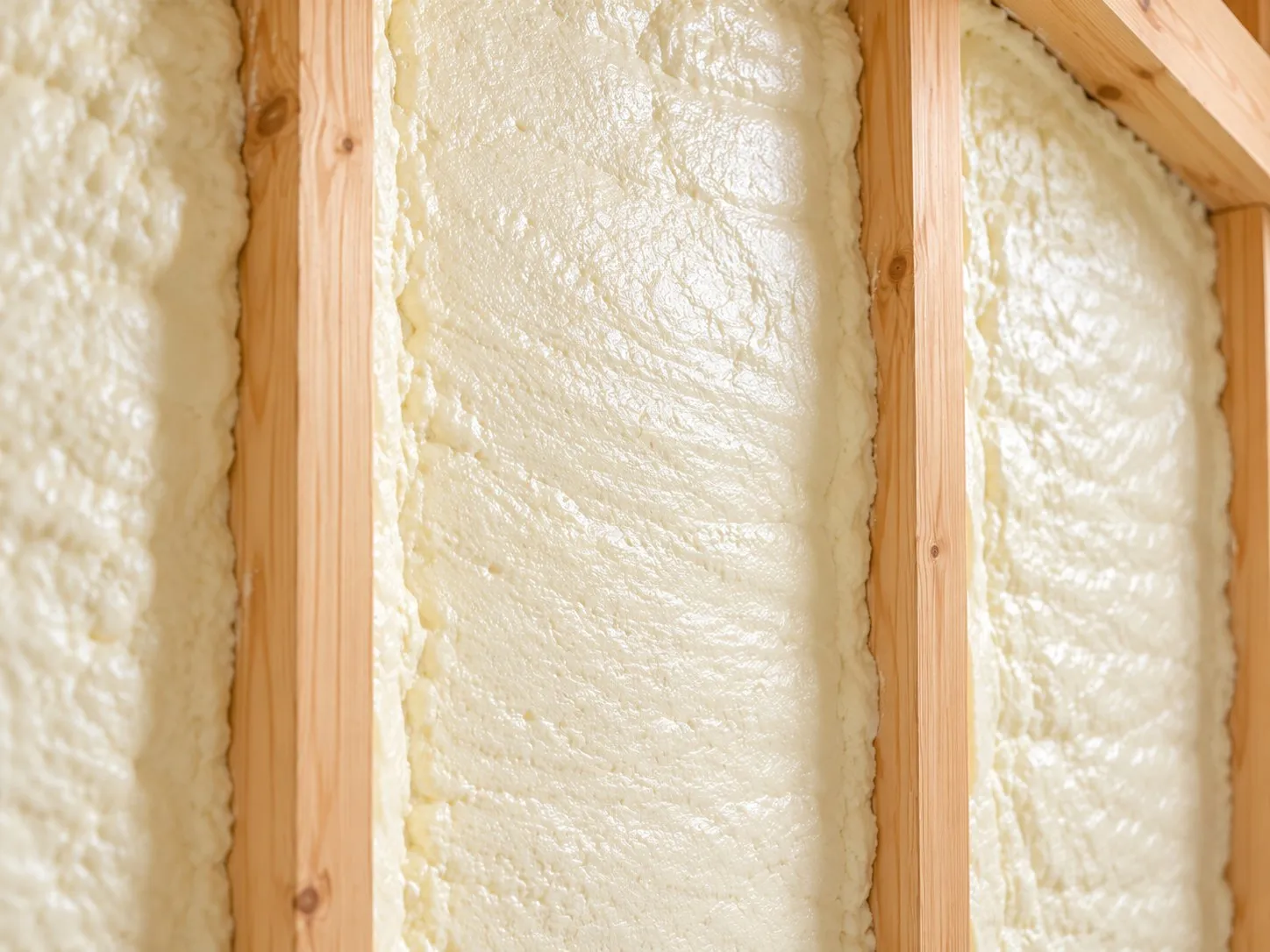
| Open-cell spray foam | 3.5–3.8 | 3–10" | Irregular cavities, sound |
| Closed-cell spray foam | 6.0–7.0 | 2–6" | Rim joists, crawl walls, depth-limited |
| XPS rigid board | 5.0 | 1–3" | Foundation walls, continuous exterior |
| Polyiso rigid board | 5.6–6.5 | 1–3" | Roofs, continuous exterior |
| EPS rigid board | 3.6–4.2 | 1–4" | Below grade, budget continuous |
Standard batt sizes
Batts come in fixed R-values matched to standard framing:
| R-value | Thickness | Fits |
|---|---|---|
| R-13 | 3.5" | 2x4 walls |
| R-15 | 3.5" | 2x4 walls, high density |
| R-19 | 6.25" | 2x6 walls, floors |
| R-21 | 5.5" | 2x6 walls, high density |
| R-30 | 9.5" | Floors, attic joists |
| R-38 | 12" | Attic floors |
Note R-19 batts are 6.25" thick but 2x6 framing is 5.5" deep. Compressing an R-19 batt into a 2x6 cavity gives you roughly R-18, not R-19. R-21 high-density batts are designed for that cavity and are the better choice.
Depth needed for common targets
| Material | R-30 | R-38 | R-49 | R-60 |
|---|---|---|---|---|
| Blown cellulose | 8.6" | 10.9" | 14.0" | 17.1" |
| Blown fiberglass | 12.0" | 15.2" | 19.6" | 24.0" |
| Fiberglass batts | 9.4" | 11.9" | 15.3" | 18.8" |
| Mineral wool batts | 7.5" | 9.5" | 12.3" | 15.0" |
| Open-cell spray foam | 8.3" | 10.6" | 13.6" | 16.7" |
| Closed-cell spray foam | 4.6" | 5.8" | 7.5" | 9.2" |
| XPS rigid board | 6.0" | 7.6" | 9.8" | 12.0" |
| Polyiso rigid board | 5.0" | 6.3" | 8.2" | 10.0" |
| EPS rigid board | 7.7" | 9.7" | 12.6" | 15.4" |
How to read this chart
Higher R per inch is not automatically better. It matters when depth is limited — a 2x4 wall, a rim joist, a cathedral ceiling. In an open attic where you can add any depth you like, cost per R-value matters far more, and the cheapest materials per unit R are cellulose and blown fiberglass.
These are nominal laboratory values. Installed performance is lower. Gaps, compression, and heat travelling through framing all reduce whole-assembly R-value, often by 10–25% versus the number on the bag.
R-value says nothing about air sealing. Fiberglass and cellulose are air-permeable. Spray foam and rigid board seal. A tight R-38 assembly usually outperforms a leaky R-49 one.
Related
- What R-value do I need? — targets by climate zone
- How much insulation do I need?
- Where these numbers come from