Short answer
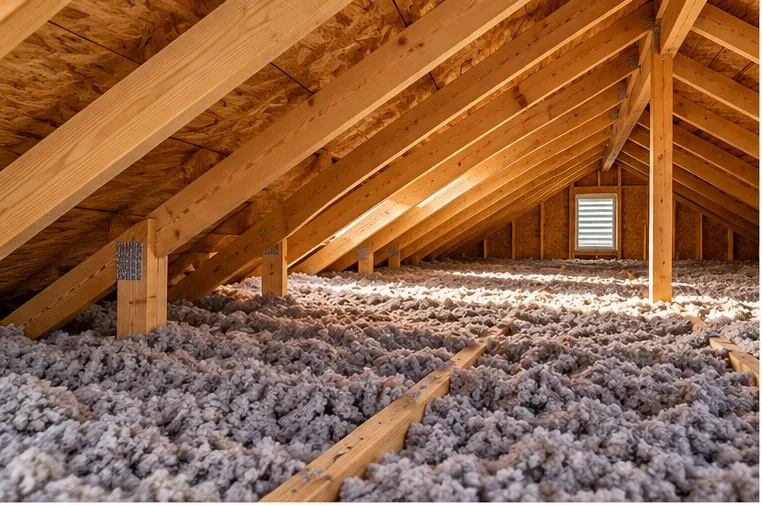
For most attic retrofits, cellulose. It has a higher R-value per inch, so it needs about 40% less depth for the same target, it fills gaps and corners that batts leave open, and it costs slightly less per unit of R-value.
Choose fiberglass when weight or water is the concern. On older ceiling framing, or in an attic with any history of leaks, the lighter material that sheds water rather than absorbing it is the safer choice.
Side by side
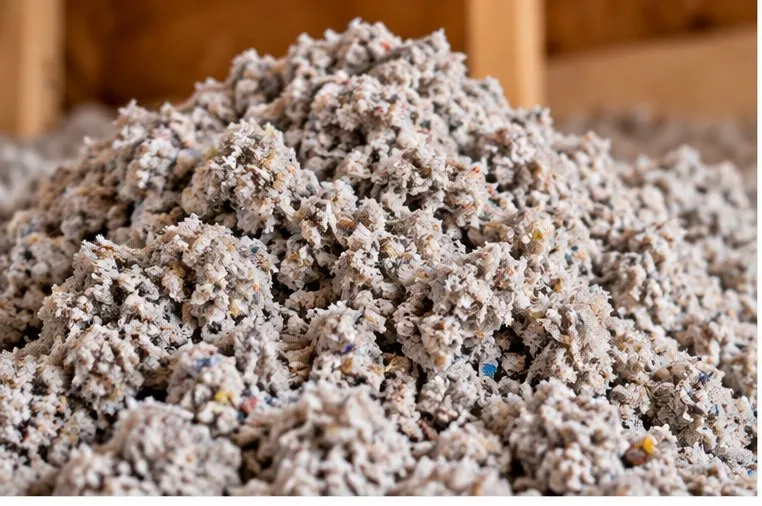 Cellulose
Blown cellulose
- R per inch
- 3.5
- Depth for R-60
- 17.1"
- Bags for 1,240 sq ft
- 69
- Material cost
- $820–$1,300
- Fills gaps, corners, and around obstructions
- Denser, so it resists air movement better
- About 80% recycled paper content
- Noticeably better at damping sound
Choose this when: Most attic retrofits — irregular framing, obstructions, topping up existing.
More on cellulose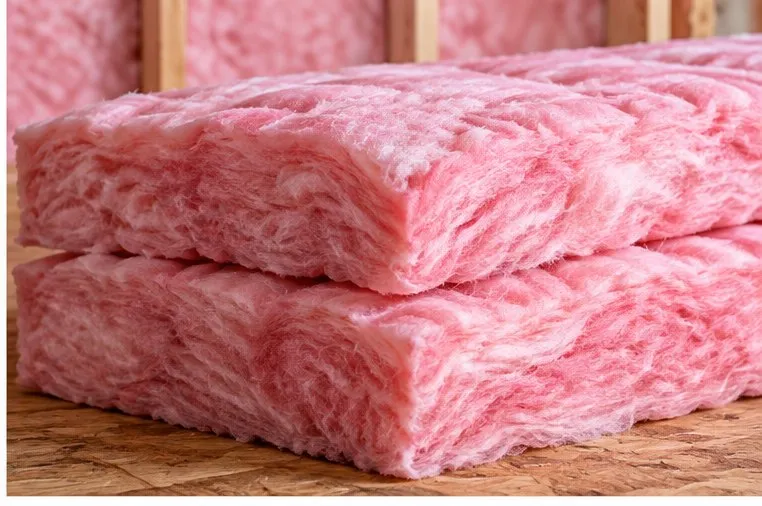 Fiberglass
, blown or batt
- R per inch
- 2.5 blown / 3.2 batt
- Depth for R-60
- 24" blown
- Bags for 1,240 sq ft
- 57
- Material cost
- $900–$1,450
- Does not absorb water — recovers from a leak
- Lighter on old ceiling framing
- Settles very little over its life
- Batts need no equipment rental at all
Choose this when: Weight-sensitive framing, damp-prone attics, or a staged DIY job with batts.
More on fiberglassAttribute by attribute
| Attribute | Fiberglass | Cellulose | Better |
|---|---|---|---|
| R-value per inch | R-2.2 – R-3.4 | R-3.2 – R-3.8 | Cellulose |
| Depth for R-60 | 24" | 17.1" | Cellulose |
| Material cost at R-30 | $0.33 – $0.54 / sq ft | $0.30 – $0.48 / sq ft | Cellulose |
| Settling over time | Minimal | 10 – 20% | Fiberglass |
| Air movement resistance | Poor — air passes through | Better — denser | Cellulose |
| If it gets wet | Sheds water, recovers | Absorbs, dries slowly | Fiberglass |
| Sound absorption | Moderate | Noticeably better | Cellulose |
| Weight on the ceiling | Lighter | Heavier | Fiberglass |
| Recycled content | Some (20–30%) | High (~80%) | Cellulose |
| Fits around obstructions | Blown: good. Batts: poor | Good | Cellulose |
Cellulose wins more rows, which is why it is the default recommendation. But the rows fiberglass wins — water and weight — are the ones that turn into expensive problems when you get them wrong.
The same attic, costed both ways
A 1,240 sq ft attic in climate zone 5, bare joists to R-60, run through our calculator with each material:
Blown cellulose
- Depth to add
- 17.1"
- Buy
- 69 bags
- Material
- $820–$1,300
- DIY total
- $930–$1,650
Blown fiberglass
- Depth to add
- 24"
- Buy
- 57 bags
- Material
- $900–$1,450
- DIY total
- $1,000–$1,800
Fiberglass batts
- Depth to add
- 12"
- Buy
- 34 packages
- Material
- $1,100–$2,000
- DIY total
- $1,200–$2,200
The cost difference is smaller than people expect. What actually separates them is depth: blown fiberglass needs 24" against cellulose's 17.1" for the same R-value, and in a shallow attic that difference decides whether you can hit the target at all.
Which to choose
Choose cellulose if
- Your attic has obstructions, irregular framing, or awkward corners
- You are topping up existing insulation rather than starting fresh
- Headroom is limited and you need the R-value in less depth
- Noise from outside or from upstairs bothers you
Choose fiberglass if
- The ceiling framing is old, undersized, or you are unsure about the load
- The roof has leaked before, or the attic has any damp history
- You want to work in stages over several weekends — batts need no rental
- You would rather not deal with the dust of blown cellulose
It matters less than you think
Both are good materials and both will work. Installation quality and air sealing affect the result far more than the choice between them. A carefully installed R-49 of either beats a sloppy R-60 of the other, every time.
If you are deciding between spending an extra hour choosing and an extra hour air sealing, spend it on the air sealing.