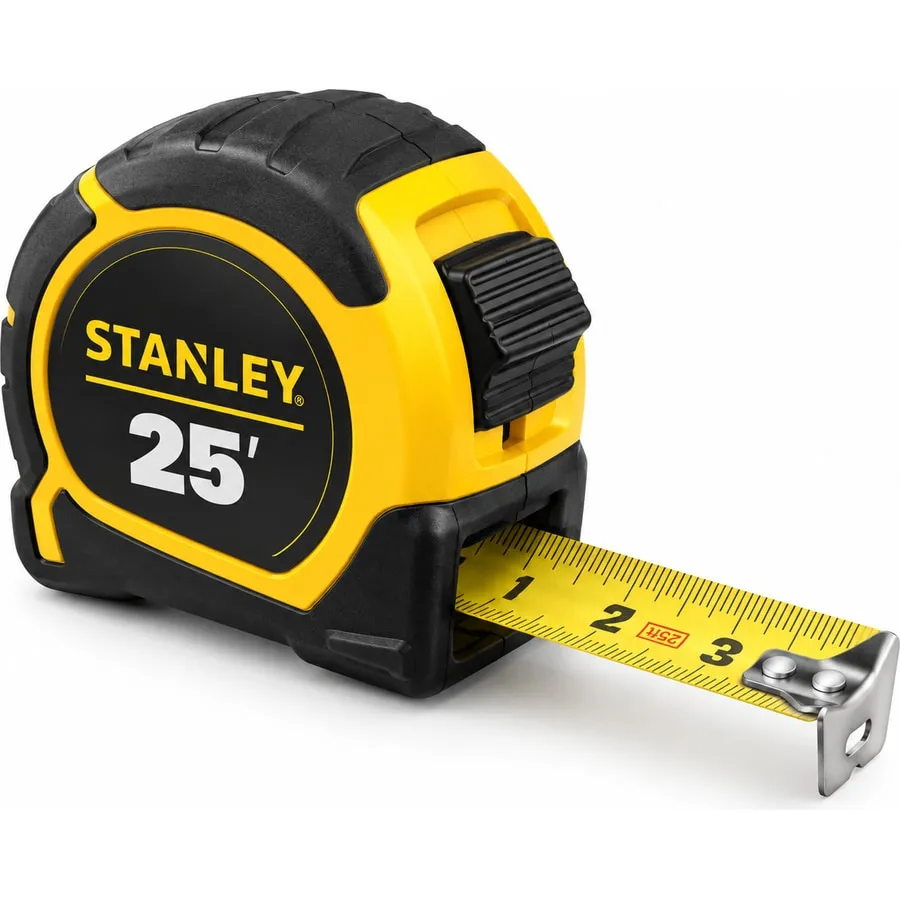
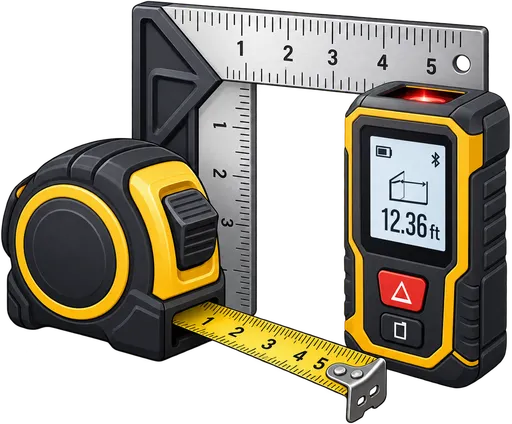
Tape measure
Everything downstream is derived from this number. A 25 ft tape reaches across most attics in one pull.
Shop the kit · Measuring & tools
Area and existing depth decide whether the rest of the estimate means anything — a measurement taken from the wrong edge of the attic will be wrong by the same percentage all the way to the bag count. These are the tools for getting the numbers right, finding what is already in the cavity, and fitting the material once it arrives.
Affiliate links — we may earn a commission if you purchase through these links, at no extra cost to you. As an Amazon Associate I earn from qualifying purchases. Products are chosen on whether they suit the job, never on commission. Full disclosure.
Four tools that most homeowners do not already own and genuinely need on this job.
Everything downstream is derived from this number. A 25 ft tape reaches across most attics in one pull.
Both hands stay free, which matters when you are stepping joist to joist in the dark.
A gun meters the bead and can be left charged between sessions. Straw cans set solid after one use.
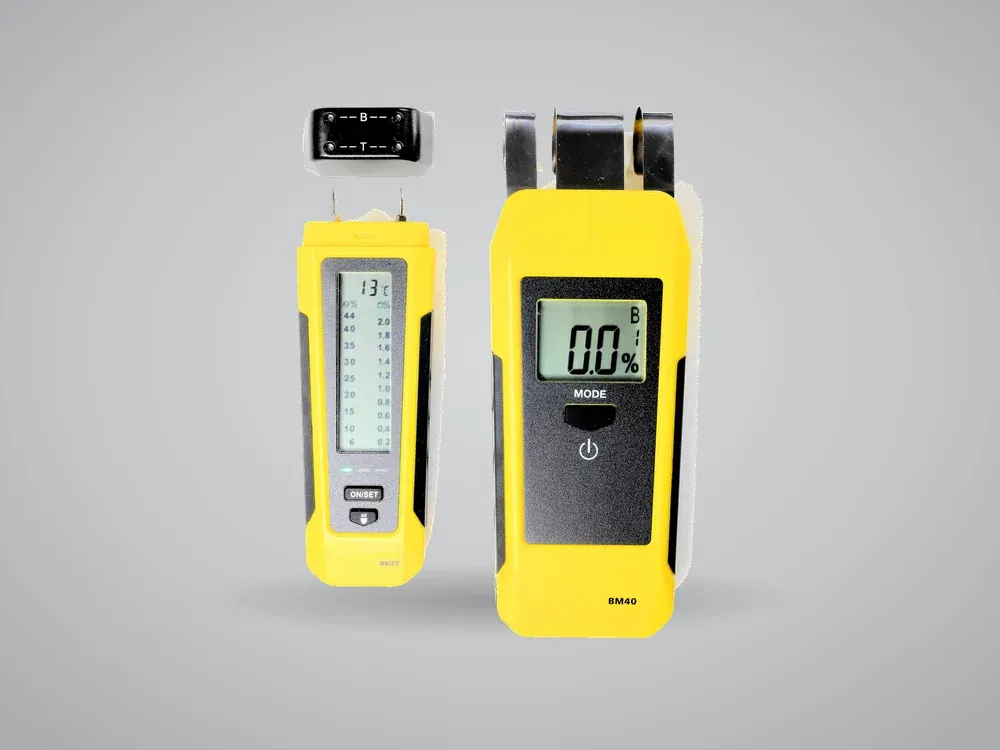
Insulating over damp framing traps the damp. Worth checking before anything goes down.
Area, depth and layout — the numbers the calculator turns into a bag count.
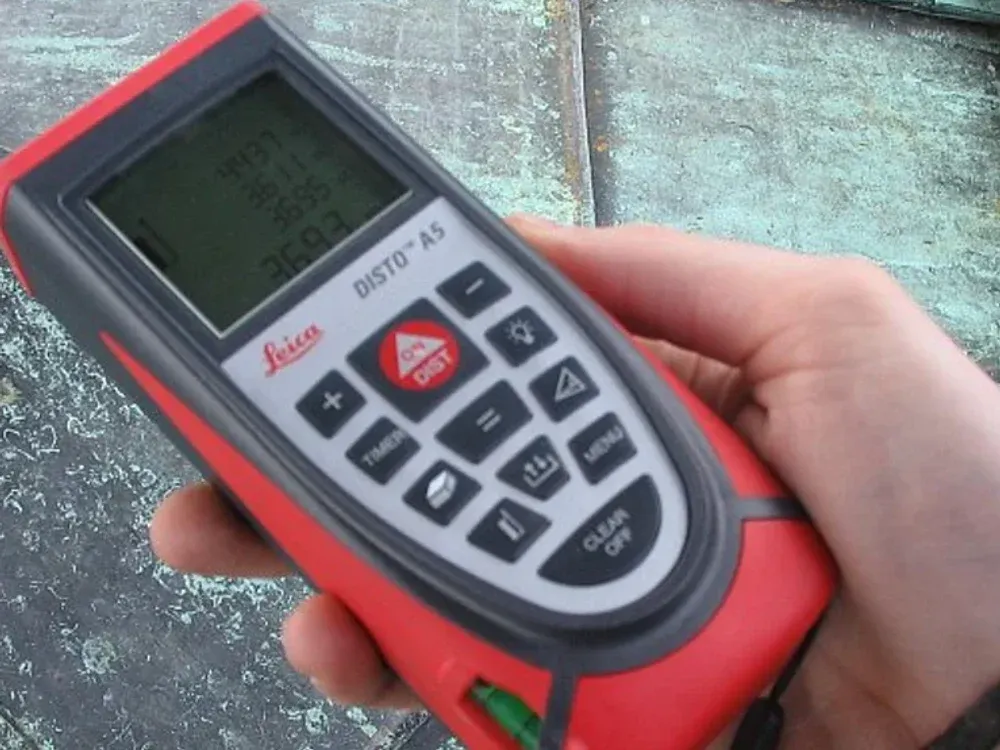
Measures a room end to end on your own, which a tape cannot do in an attic without somewhere to hook it.
Compresses the batt along the cut line so the blade tracks straight. This is what makes the difference between a tight fit and a gap.
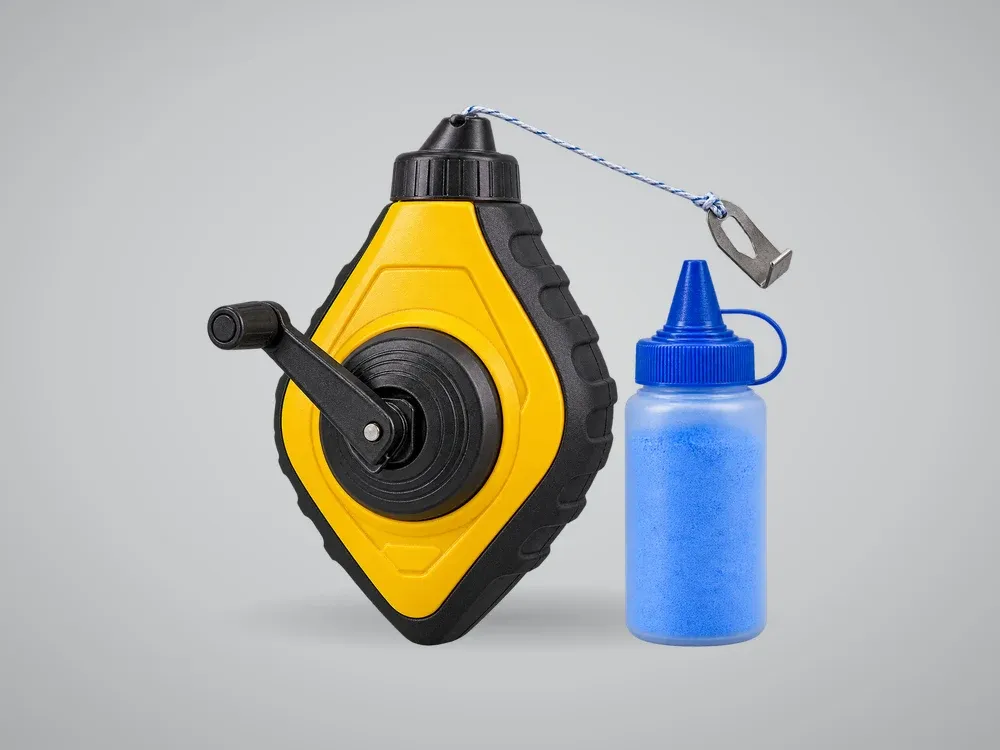
For marking stud bays before you drill and depth lines before you blow. Faster and straighter than a tape and a pencil over any distance.
Retailer links open a search — exact products, pricing, pack sizes and availability vary by store. Amazon links on this page are affiliate links; we may earn a commission at no extra cost to you. Full disclosure.
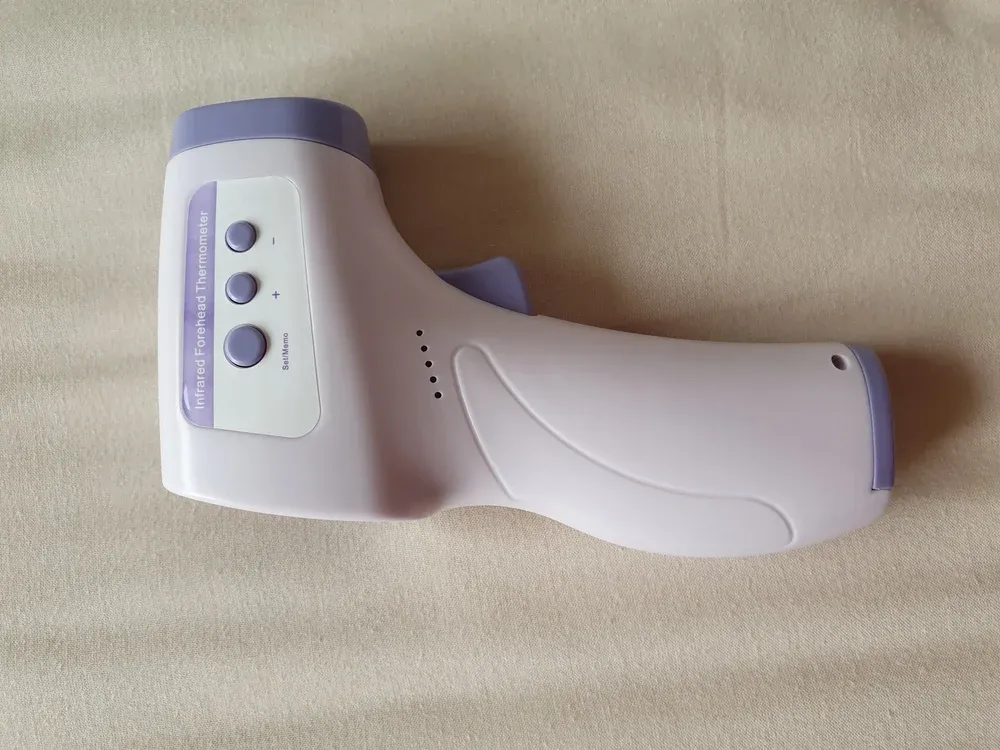
What is already in the cavity, how wet it is, and where the heat is going.
Finds the cold spots worth sealing before you insulate, and confirms afterwards that they are gone.
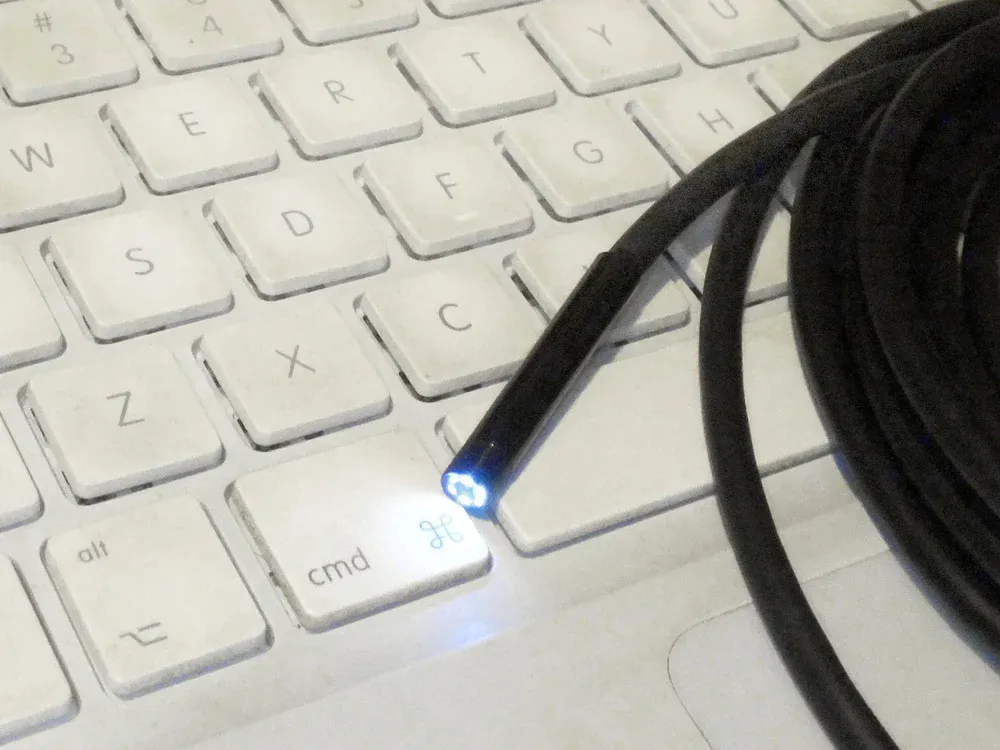
Lets you see into eave bays and behind obstructions without crawling the last three feet to get there.
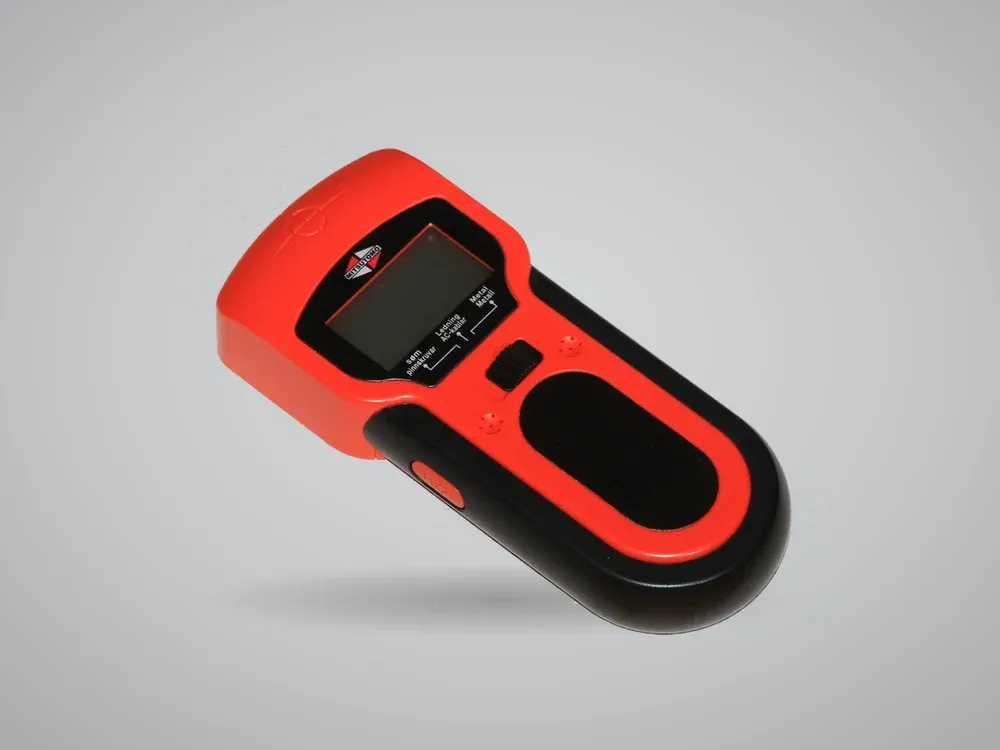
Locates the studs and confirms your spacing, which sets how much of the wall is actually cavity.
Shows what is inside a finished wall through one small hole, which is how you find out whether a cavity is empty before paying anyone to fill it.
Retailer links open a search — exact products, pricing, pack sizes and availability vary by store. Amazon links on this page are affiliate links; we may earn a commission at no extra cost to you. Full disclosure.
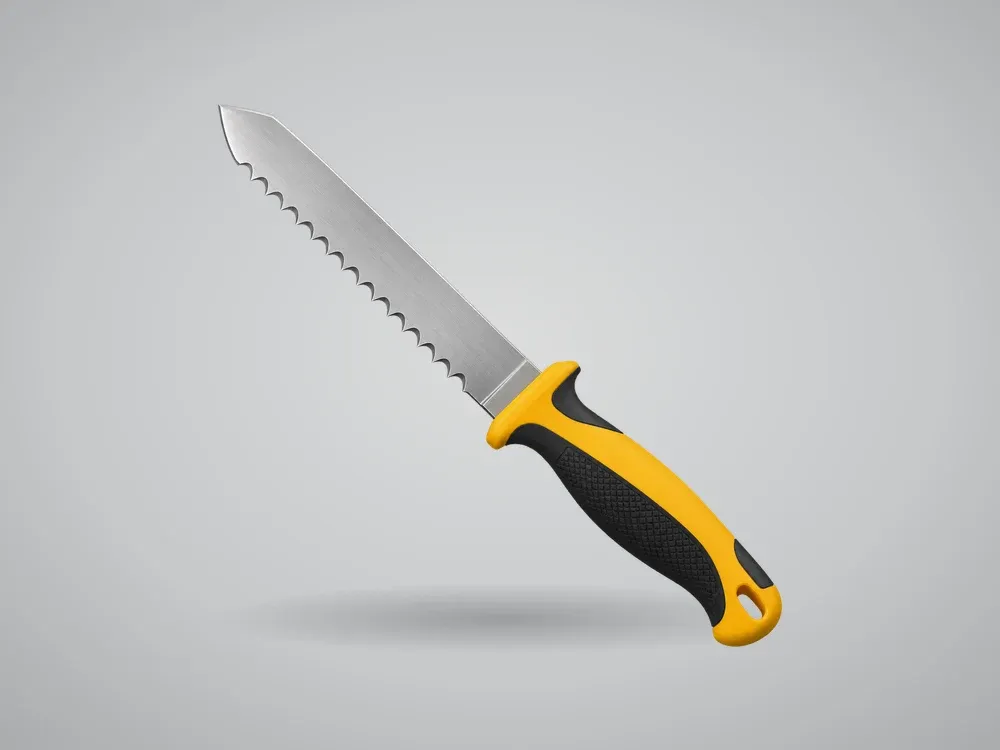
A long serrated blade cuts batts cleanly in one pass. A utility knife crushes the edge, and a compressed edge is a gap.
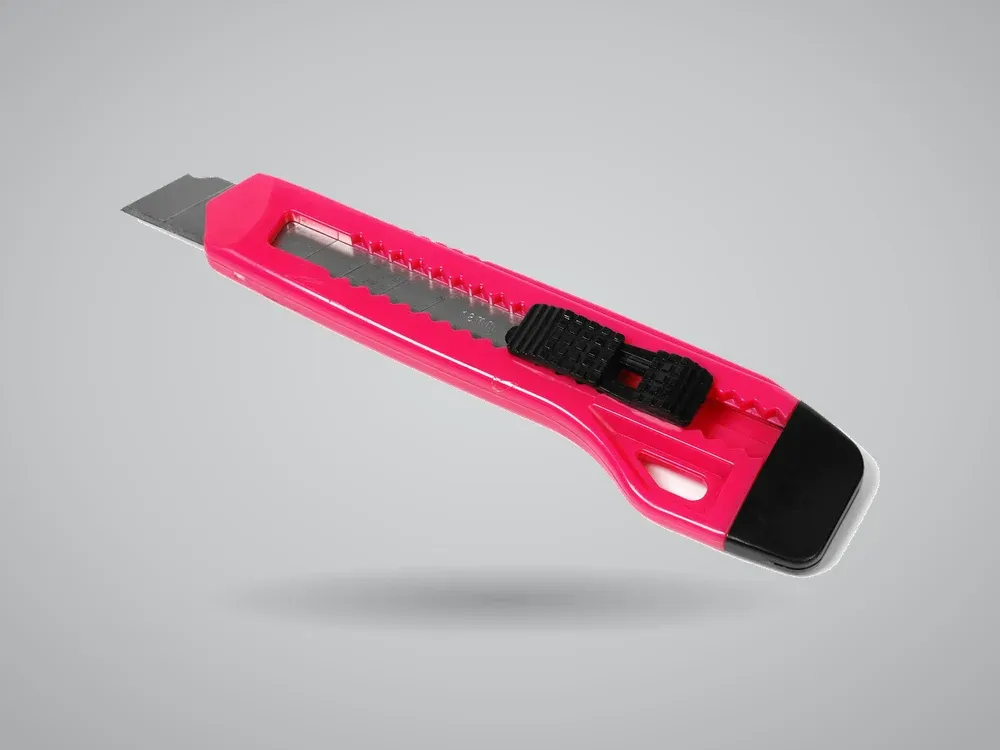
For packaging, facing, baffles and board. Keep spare blades to hand.
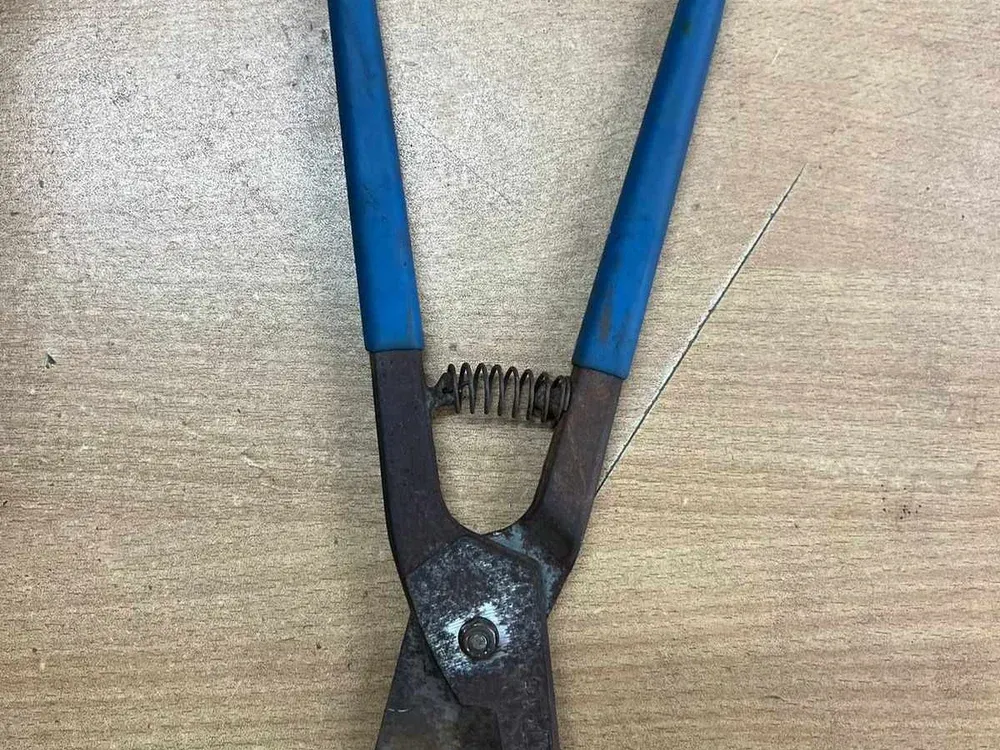
For baffles, foil-faced board and flashing. A utility knife tears baffle plastic rather than cutting it, which is how you end up with a baffle that will not sit.
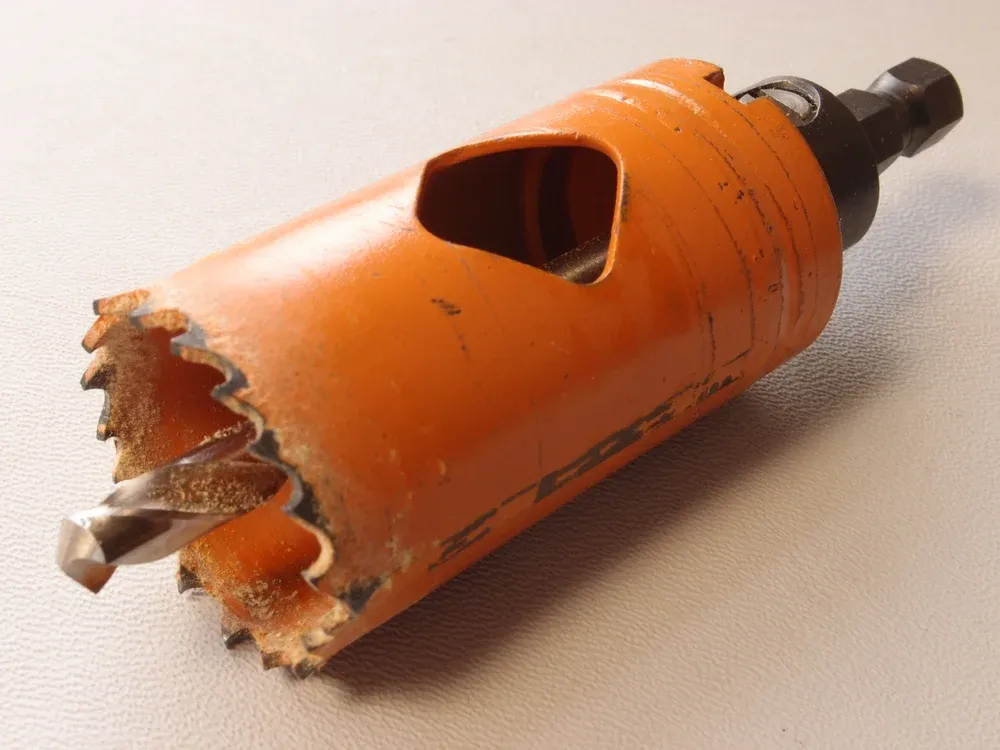
Cuts the access hole in each stud bay for a finished-wall fill, and the plug to close it afterwards. Bi-metal, because a cheap saw stops cutting about a dozen holes in.
Retailer links open a search — exact products, pricing, pack sizes and availability vary by store. Amazon links on this page are affiliate links; we may earn a commission at no extra cost to you. Full disclosure.
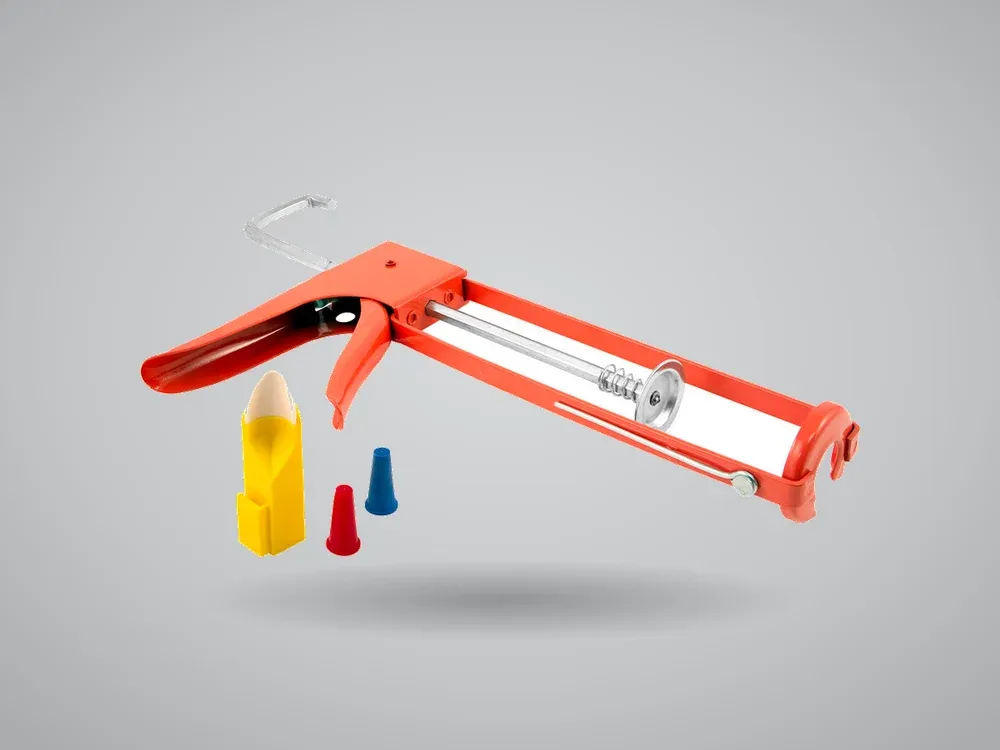
A dripless frame is worth the small premium when you are working above your head.
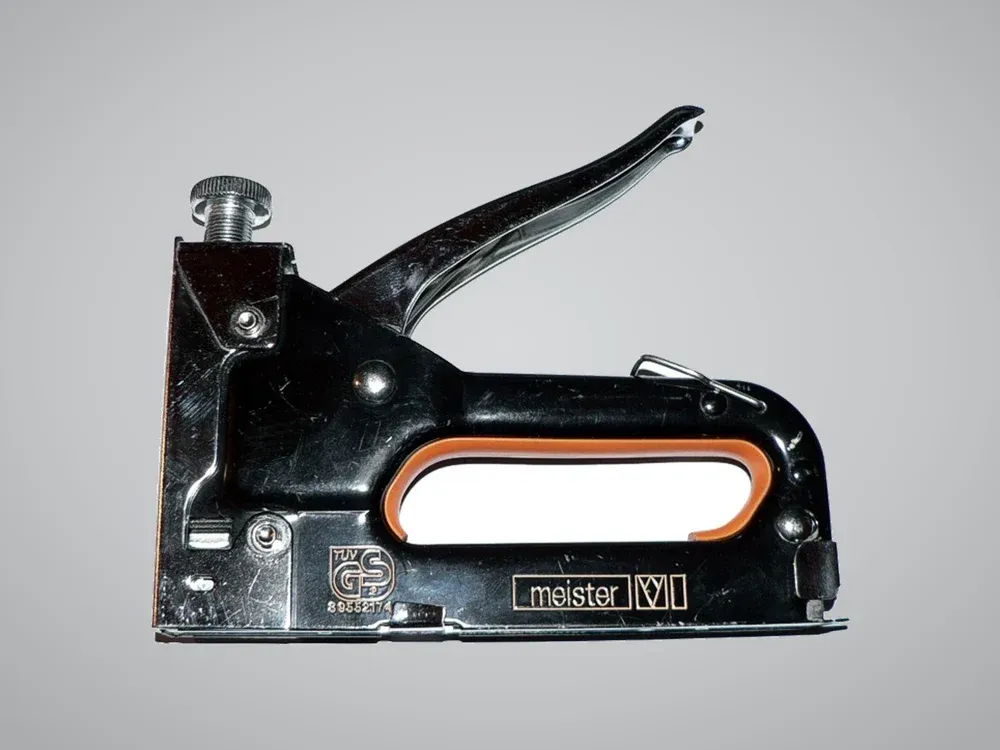
For faced batts in an open wall or floor. Unfaced batts in a ceiling need friction fit and supports instead, so this only applies where there is a flange to fix.
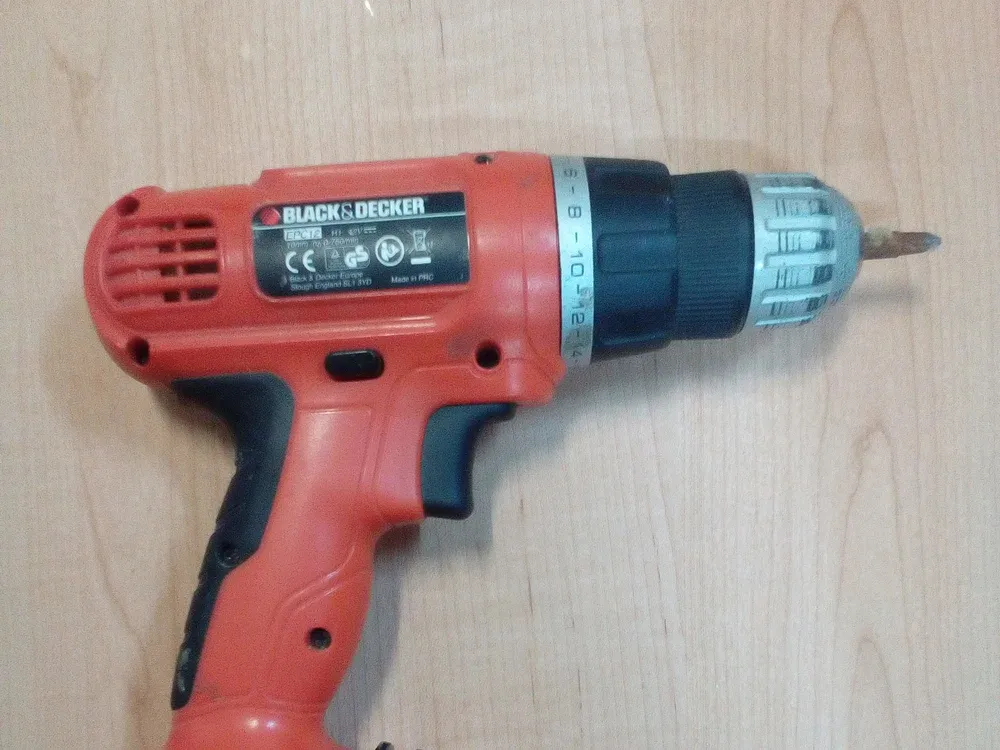
For baffles, supports, hatch hardware and furring. The one tool that turns up in every stage of the job.
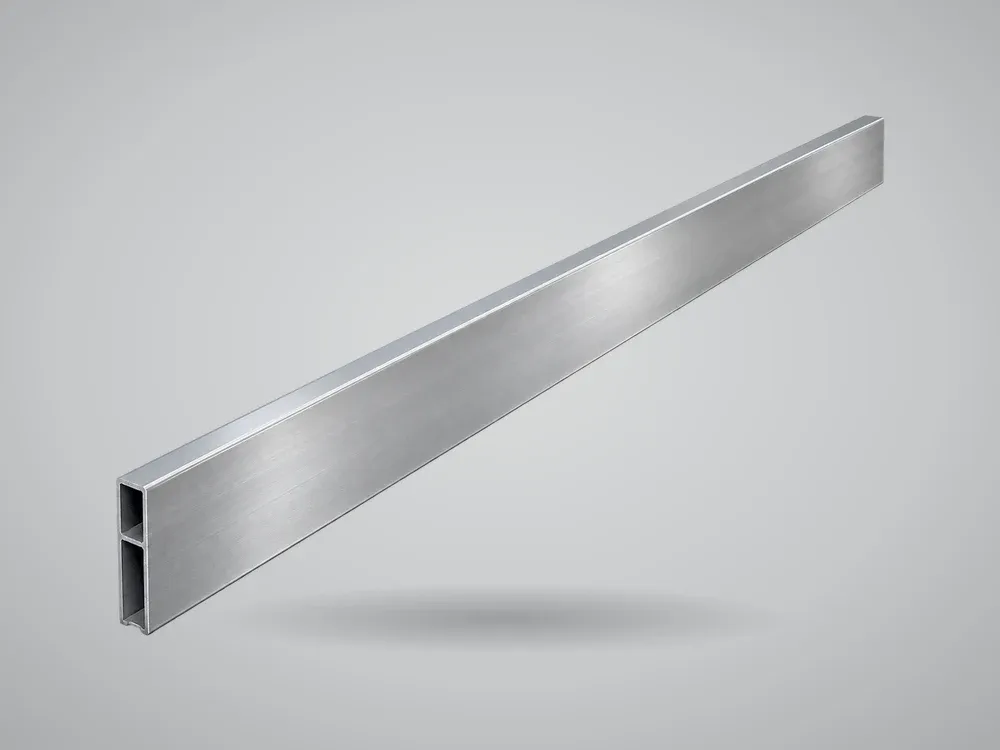
Levels blown material to an even depth. Uneven depth means the thin spots set your real R-value, not the average.
Retailer links open a search — exact products, pricing, pack sizes and availability vary by store. Amazon links on this page are affiliate links; we may earn a commission at no extra cost to you. Full disclosure.
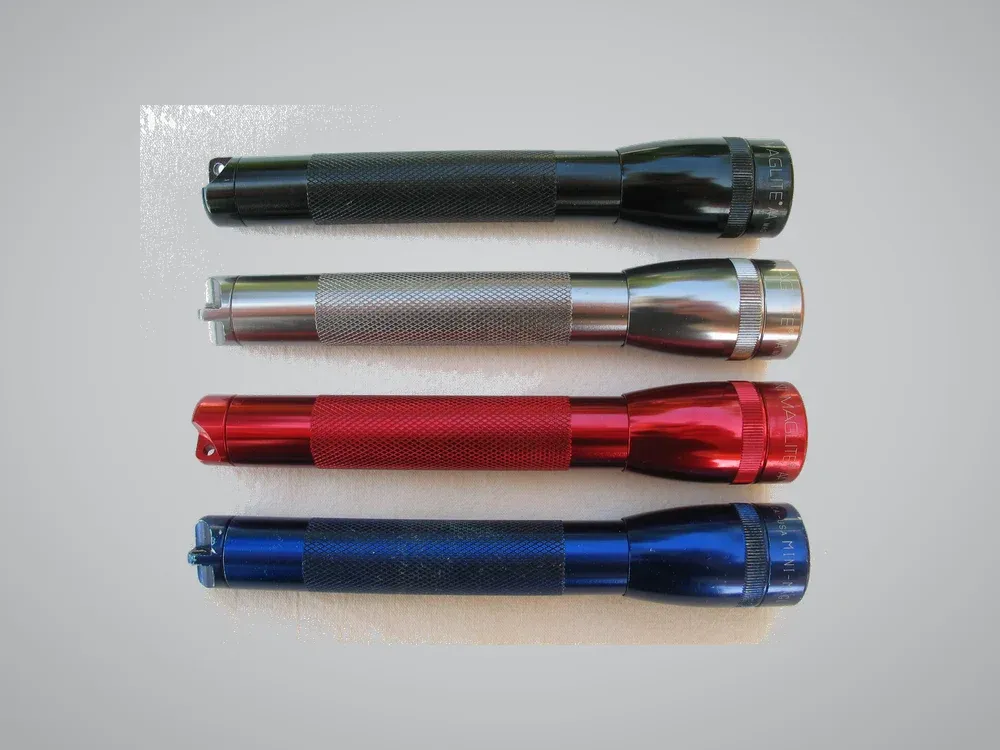
An attic has no lighting and a crawl space has less. See /shop/headlamps for the full range.
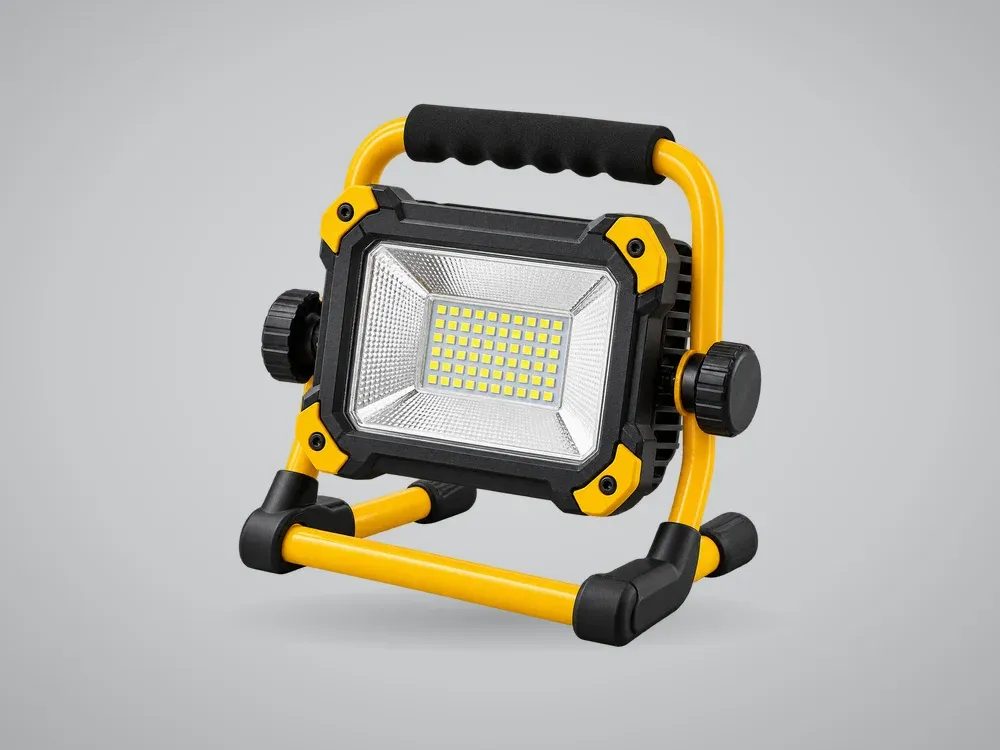
A headlamp lights where you look; a standing light lights the whole bay so you can see what you have missed.
For checking into eave bays and behind obstructions before committing to a plan.
Retailer links open a search — exact products, pricing, pack sizes and availability vary by store. Amazon links on this page are affiliate links; we may earn a commission at no extra cost to you. Full disclosure.
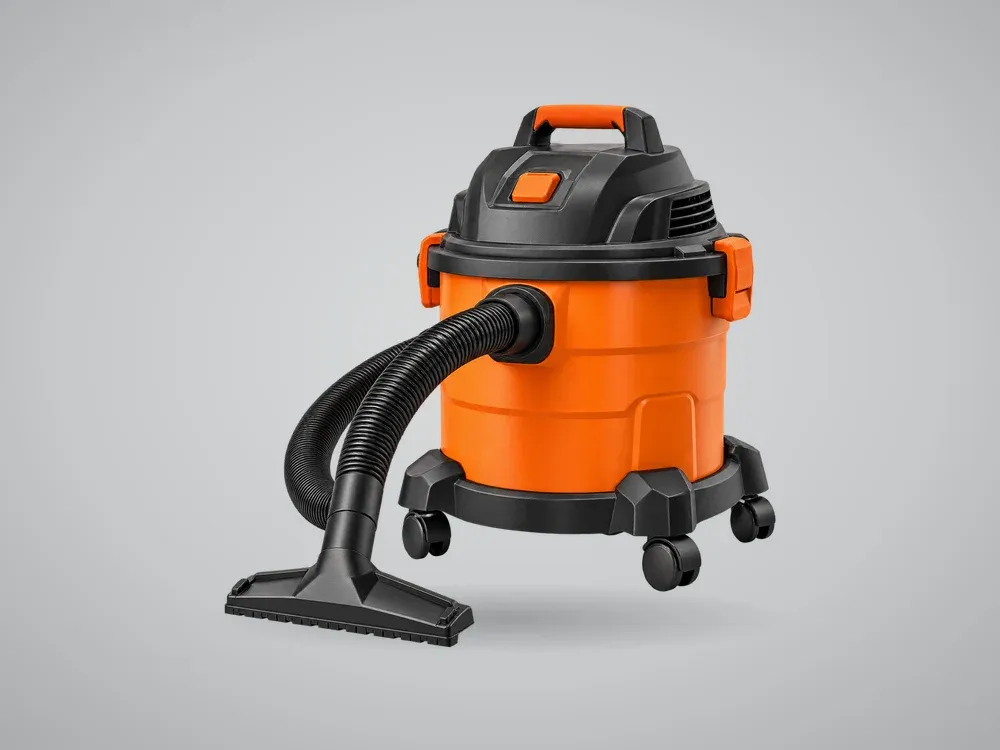
A household vacuum will not survive insulation dust. Use a fine-dust filter bag, or you redistribute what you just collected.
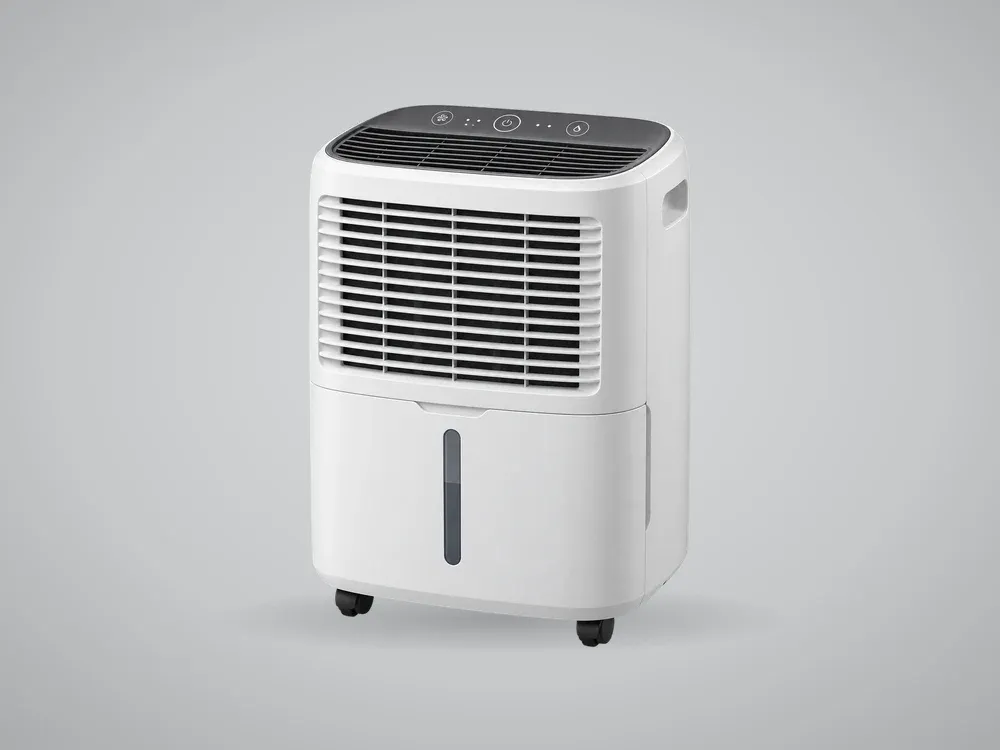
Not optional in a sealed crawl space. IRC R408.3 requires a ground vapour retarder plus one humidity-control measure — a sealed crawl with neither is a worse outcome than a vented one.
Retailer links open a search — exact products, pricing, pack sizes and availability vary by store. Amazon links on this page are affiliate links; we may earn a commission at no extra cost to you. Full disclosure.
Want to browse the whole category rather than our shortlist? This opens current measuring tools results on Amazon, sorted by customer rating.
Shop measuring tools on AmazonUse your dimensions and climate zone to turn this checklist into an exact shopping list.
No personal information required
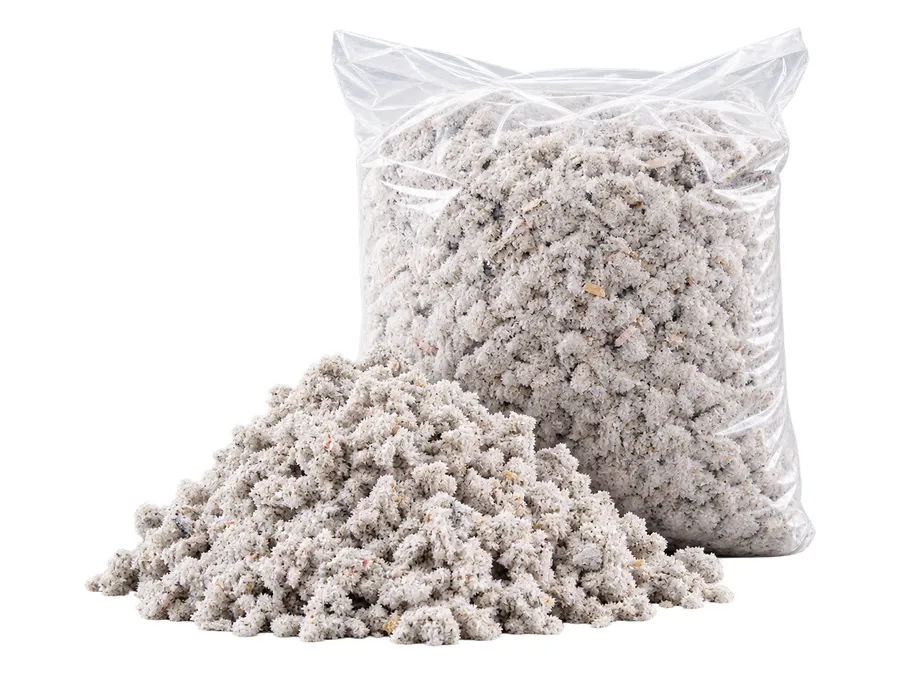 InsulationThe material itself. How much you need comes from your own measurements — coverage and pack sizes vary by brand, so the calculator gives you a bag or batt count rather than a guess.8 items
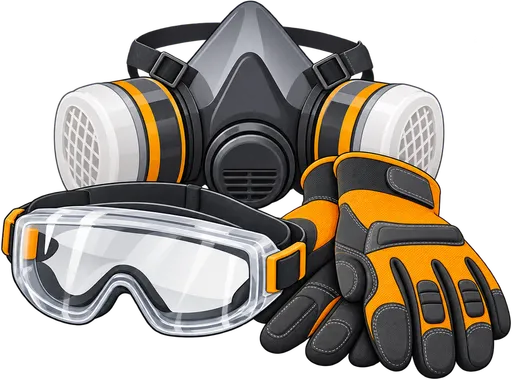 Safety gearFibreglass and attic dust are a genuine respiratory hazard. A respirator, sealed goggles and gloves belong on every project, whatever you are insulating.10 items
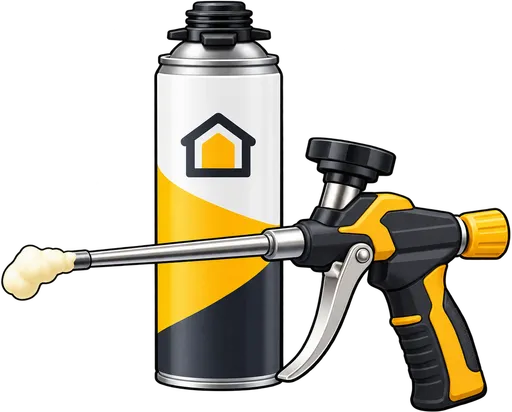 Air sealingDo this before the insulation goes down. Afterwards the gaps are unreachable, and insulation over an unsealed ceiling underperforms badly.12 items
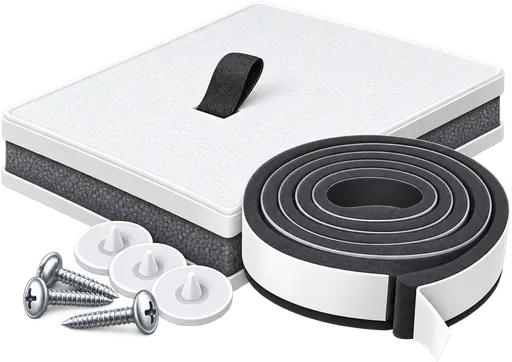 Attic accessoriesThe small items that get forgotten and cost a second trip: baffles, depth markers, hatch weatherstrip, walk boards, support rods.9 items
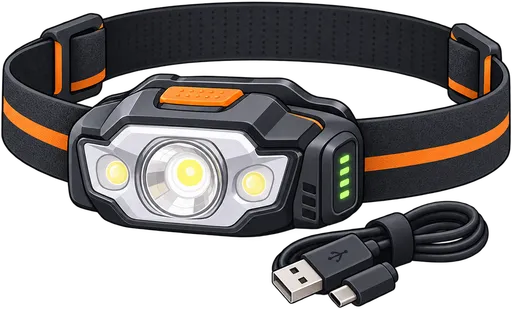 Rechargeable headlampsHands-free lighting. Holding a phone torch is the usual reason a first attic trip ends early.3 items