Blown-in cellulose
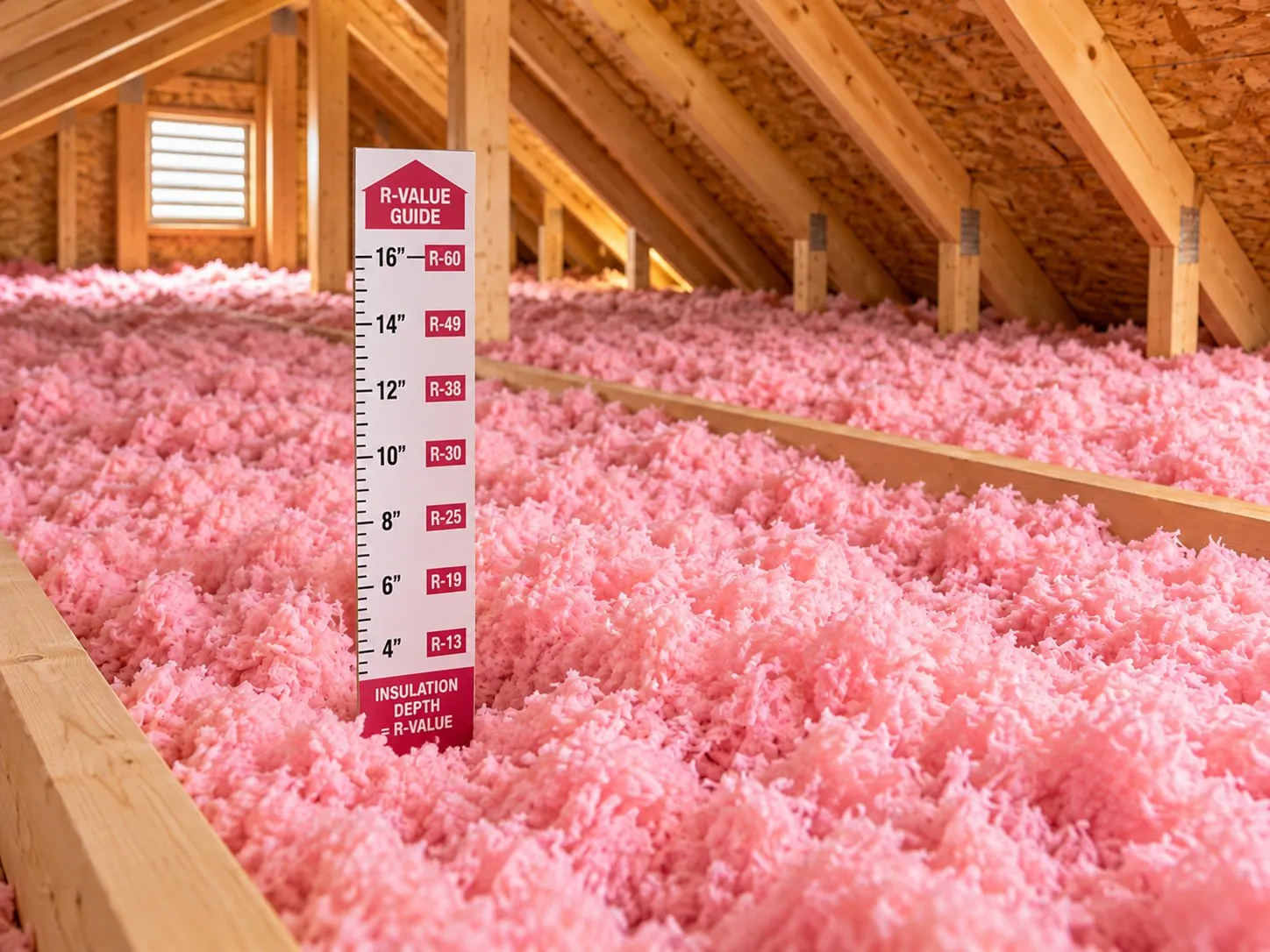
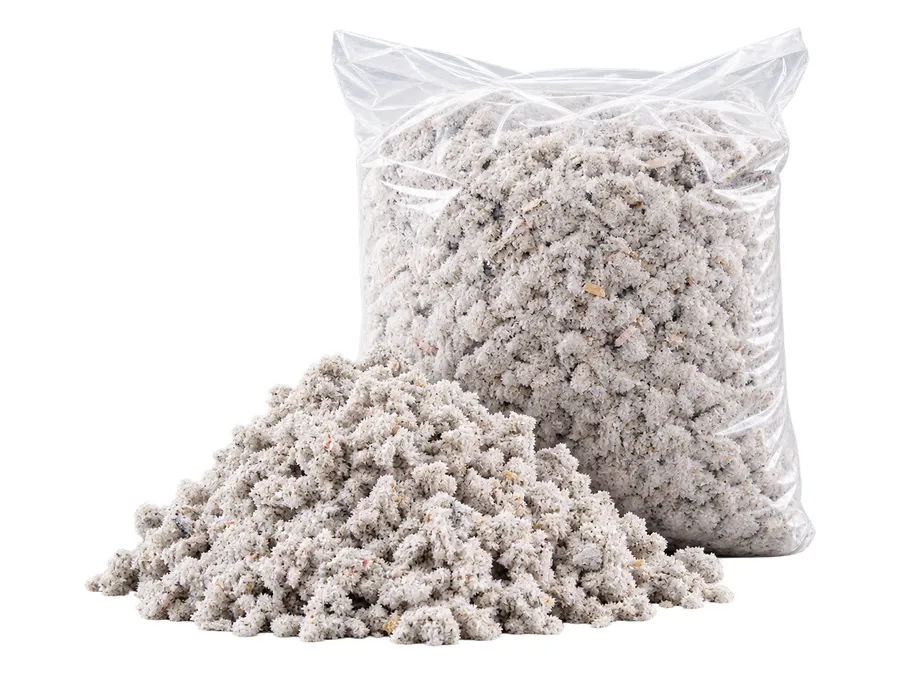
Best cost per R-value in an open attic, and it fills around obstructions that batts leave open.
Shop the kit · Insulation
Cellulose, blown fibreglass, batts, mineral wool and foam board all work; they differ in cost per R-value, the depth they need, how they go in and where they fail. How much you need comes from your own measurements, because coverage and pack sizes vary by brand — which is what the calculator is for.
Affiliate links — we may earn a commission if you purchase through these links, at no extra cost to you. As an Amazon Associate I earn from qualifying purchases. Products are chosen on whether they suit the job, never on commission. Full disclosure.
The four that cover most jobs. Which one is right depends on the cavity, not on price alone.
Best cost per R-value in an open attic, and it fills around obstructions that batts leave open.
No equipment to hire, and you can do the job in stages. The right answer for open framing.
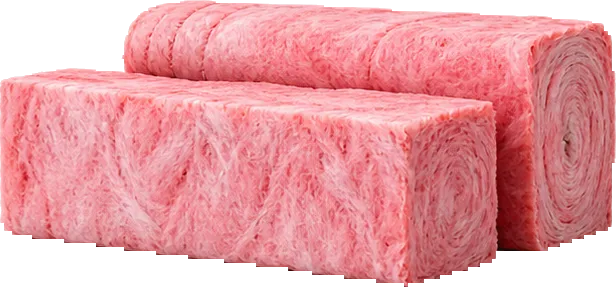
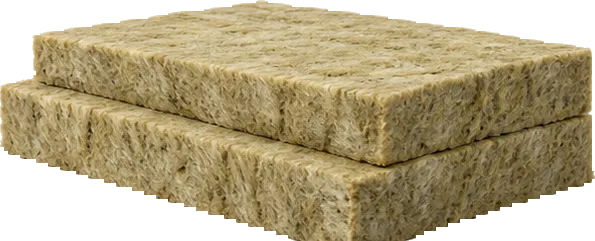
Holds its shape, does not sag, and adds real fire and sound performance for roughly double.
The only practical option against a crawl-space or basement wall, where batts would trap moisture.
Blown into an open attic or dense-packed into a closed wall. Needs a machine, usually free with the bags.
Loose fill that does not absorb water and barely settles, which matters on older ceiling framing where the extra weight of cellulose is a consideration. Lower R-value per inch, so it needs more depth for the same target.
Retailer links open a search — exact products, pricing, pack sizes and availability vary by store. Amazon links on this page are affiliate links; we may earn a commission at no extra cost to you. Full disclosure.
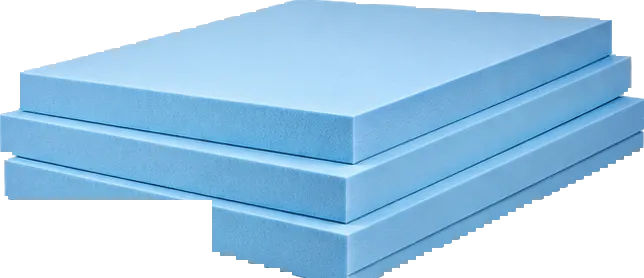
For surfaces where fibrous insulation would absorb moisture, and for continuous exterior layers.
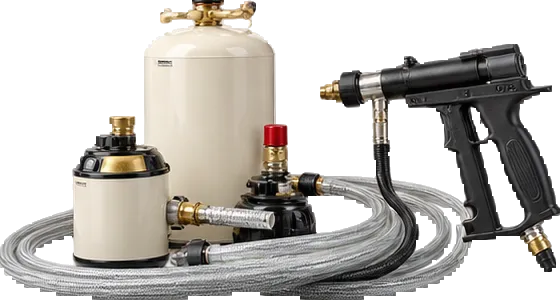
Worth it for rim joists and awkward cavities, rarely for whole walls — real-world yield runs well under the board feet on the box, and past about 600 board feet a contractor is usually cheaper. Needs a supplied-air respirator, not a cartridge mask.
Retailer links open a search — exact products, pricing, pack sizes and availability vary by store. Amazon links on this page are affiliate links; we may earn a commission at no extra cost to you. Full disclosure.
Pre-sized for one opening rather than sold by the square foot.
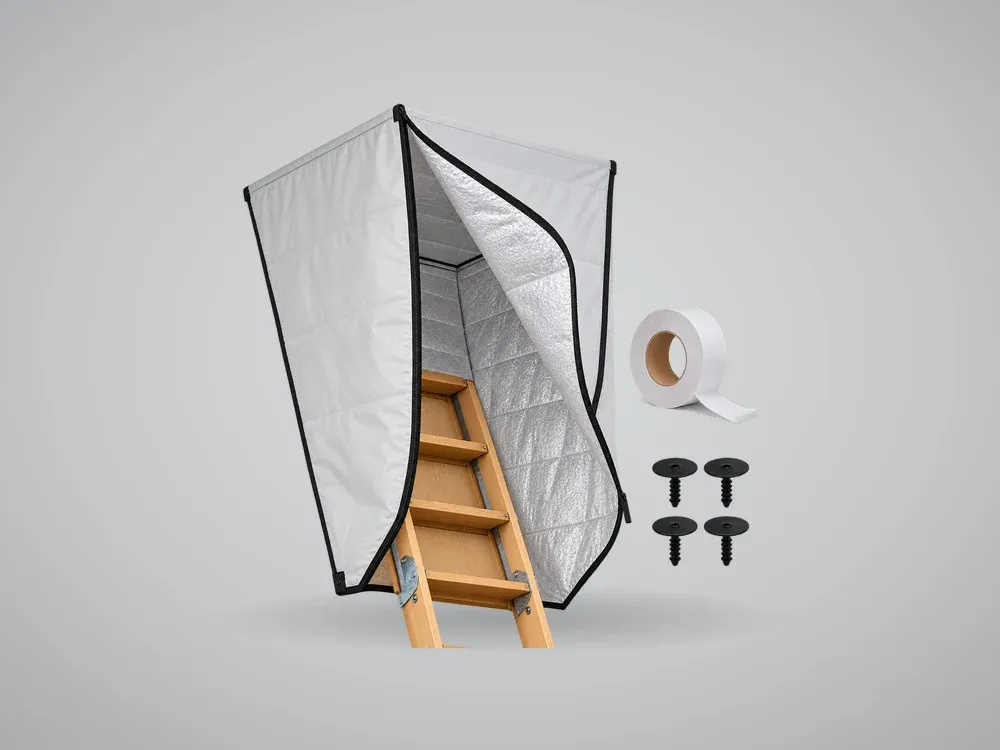
A zipped, insulated tent over the hatch from inside the attic. A pull-down ladder is a large uninsulated hole in the ceiling and one of the biggest single leaks in most houses.
Panels cut to fit between the door stiles. Worth it only if you heat the garage — the door is outside your thermal envelope, so it will not touch your house heating bill.
Retailer links open a search — exact products, pricing, pack sizes and availability vary by store. Amazon links on this page are affiliate links; we may earn a commission at no extra cost to you. Full disclosure.
Use your dimensions and climate zone to turn this checklist into an exact shopping list.
No personal information required
 Safety gearFibreglass and attic dust are a genuine respiratory hazard. A respirator, sealed goggles and gloves belong on every project, whatever you are insulating.10 items
 Measuring toolsGetting the area and the existing depth right is what decides whether the rest of the estimate means anything. Tape, laser, depth markers, moisture meter.23 items
 Air sealingDo this before the insulation goes down. Afterwards the gaps are unreachable, and insulation over an unsealed ceiling underperforms badly.12 items
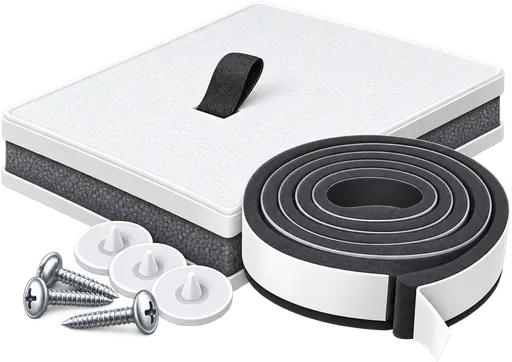 Attic accessoriesThe small items that get forgotten and cost a second trip: baffles, depth markers, hatch weatherstrip, walk boards, support rods.9 items
 Rechargeable headlampsHands-free lighting. Holding a phone torch is the usual reason a first attic trip ends early.3 items