Attic insulation is not an equipment-heavy job. The blower is usually free, and most of the rest is safety gear. What follows is what you genuinely need, why, and roughly what each costs.
Safety gear
Non-negotiable. Insulation fibers and decades of attic dust are a genuine respiratory hazard, and this is the cheapest part of the whole job.
- $15–$40N95 or half-mask respirator
A dust mask is not enough for fiberglass fibers.
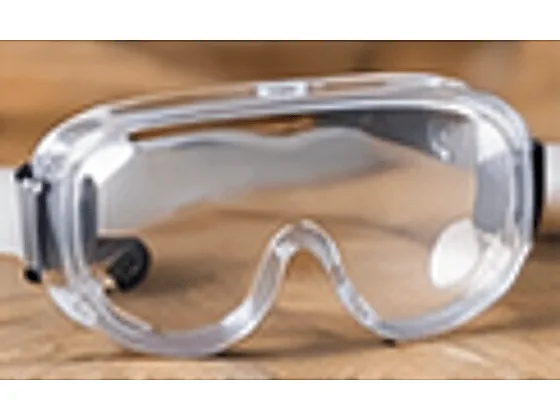
- $8–$15Sealed safety goggles
Not glasses — fibers get in around the sides.
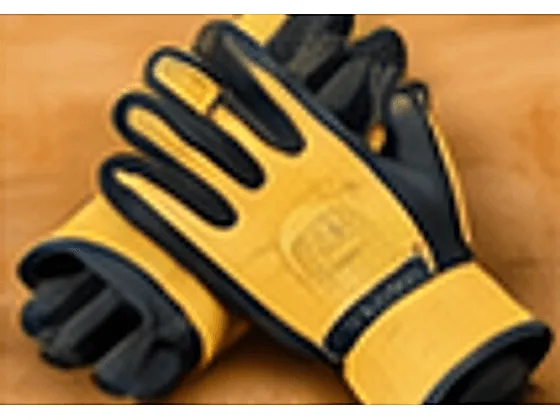
- $8–$20Work gloves
Fiberglass embeds in skin and itches for days.
- $8–$15Disposable coverallOptional
Saves ruining clothes and carrying fibers into the house.
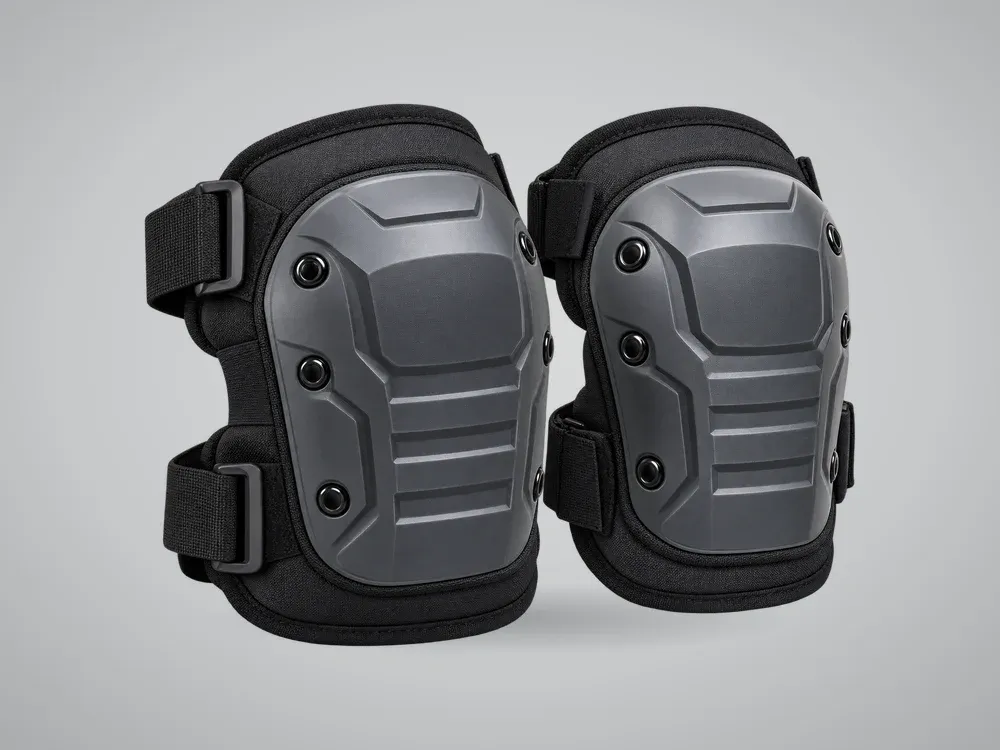
- $15–$30Knee padsOptional
You will be on joists for hours.
Typical ranges from our own planning figures, not live retail prices. Every one of these is in the buying guide further down, with somewhere to buy it.
Essential tools
What the job needs beyond what most people already own.
- $15–$35Headlamp
Both hands stay free, which matters on joists.
- $10–$20Insulation depth markers
The only practical way to confirm you hit target depth.
- $10–$25Caulk gun
For the air-sealing step, which comes first.
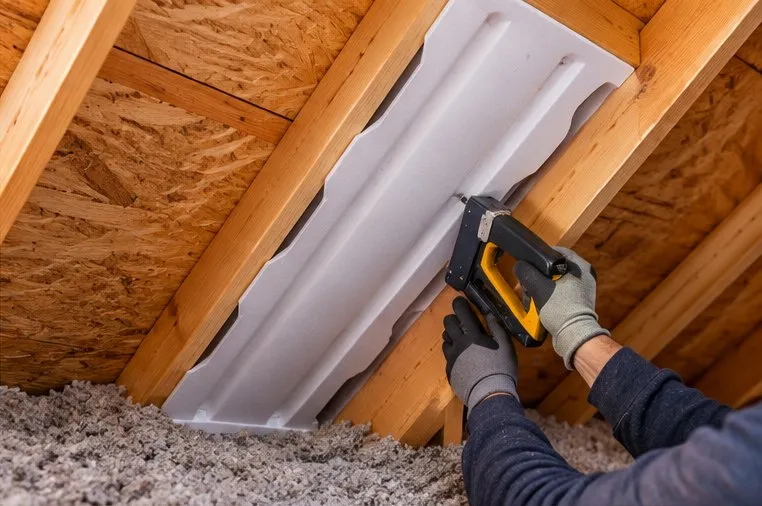
- $20–$45Staple gun
Fixing rafter baffles into every bay.
- $30–$60Plywood walk boards
Spreads your weight. Stepping through a ceiling is common.
- $8–$20Utility knifeOptional
Batts dull blades quickly — bring spares.
Typical ranges from our own planning figures, not live retail prices. Every one of these is in the buying guide further down, with somewhere to buy it.
The blower
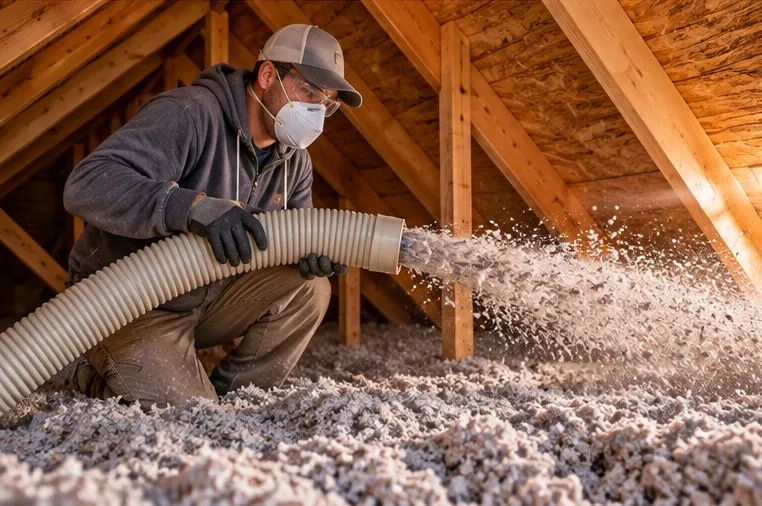
Budget $0–$100. Most major retailers waive the rental fee entirely with a minimum bag purchase — often 10 to 20 bags, which most attic jobs exceed anyway. Ask before paying; it is not always offered unprompted.
Machines are trailer-towable or fit in a pickup. You want two people: one feeding the hopper at ground level, one on the hose in the attic. Doing it alone means climbing down every few minutes to reload.
Nice to have
- Insulation rake. For levelling low spots after blowing. A garden rake works.
- Work light on a stand. Better than a headlamp alone for the main working area.
- Shop vac. Cleanup afterwards, and useful if a bag splits.
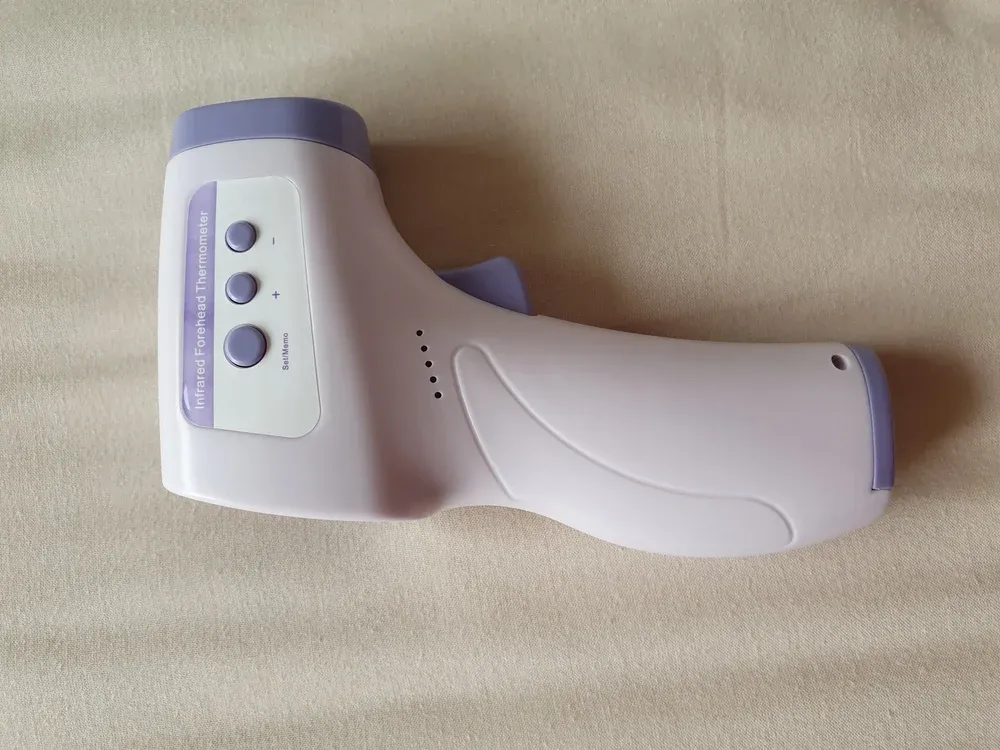
- Infrared thermometer. Genuinely useful for finding cold spots afterwards and confirming the work did something.
What you can skip
- Specialty insulation knives. A utility knife with fresh blades cuts batts fine.
- A blower, if you are using batts. Batts need no equipment at all — that is their main advantage.
- Expensive respirators. A properly fitted N95 is adequate for fiber and dust. A half-mask is more comfortable over a long day, not safer for this job.
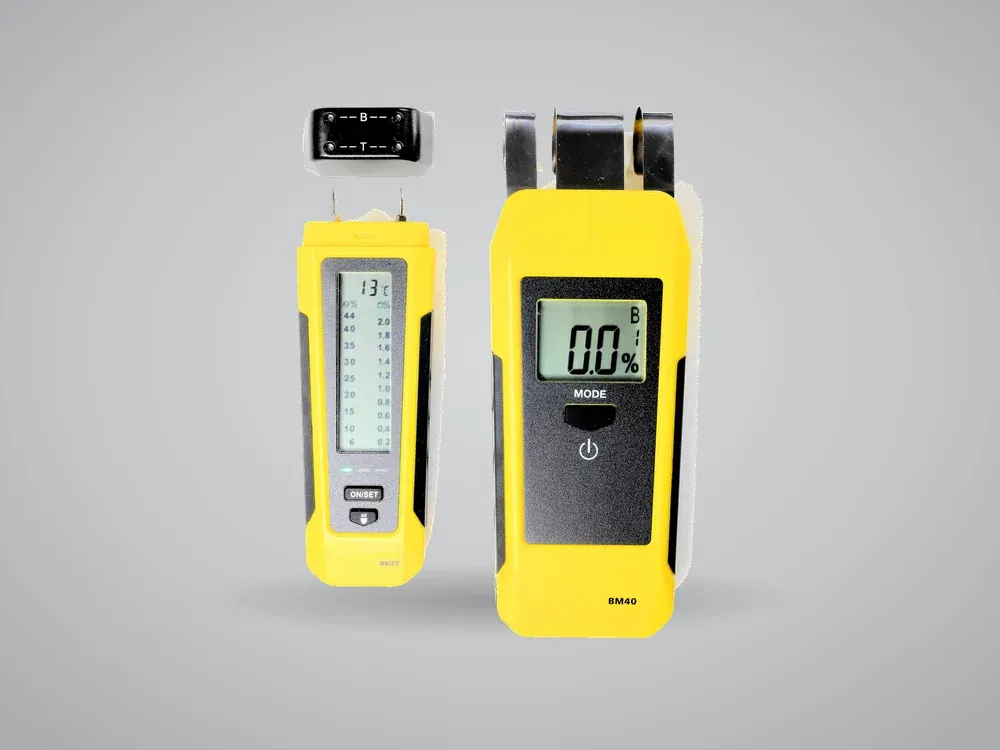
- Moisture meters. If you suspect moisture, you need it investigated, not measured.
Where to buy it
The same cards used on the shop pages, so a tool looks and behaves the same wherever you meet it on this site. Safety gear first, because it is the part people skip and the part that matters most.
Affiliate links — we may earn a commission if you purchase through these links, at no extra cost to you. As an Amazon Associate I earn from qualifying purchases. Products are chosen on whether they suit the job, never on commission. Full disclosure.
Safety gear
The part people skip. Fibres and settled dust are the hazard you cannot see working.
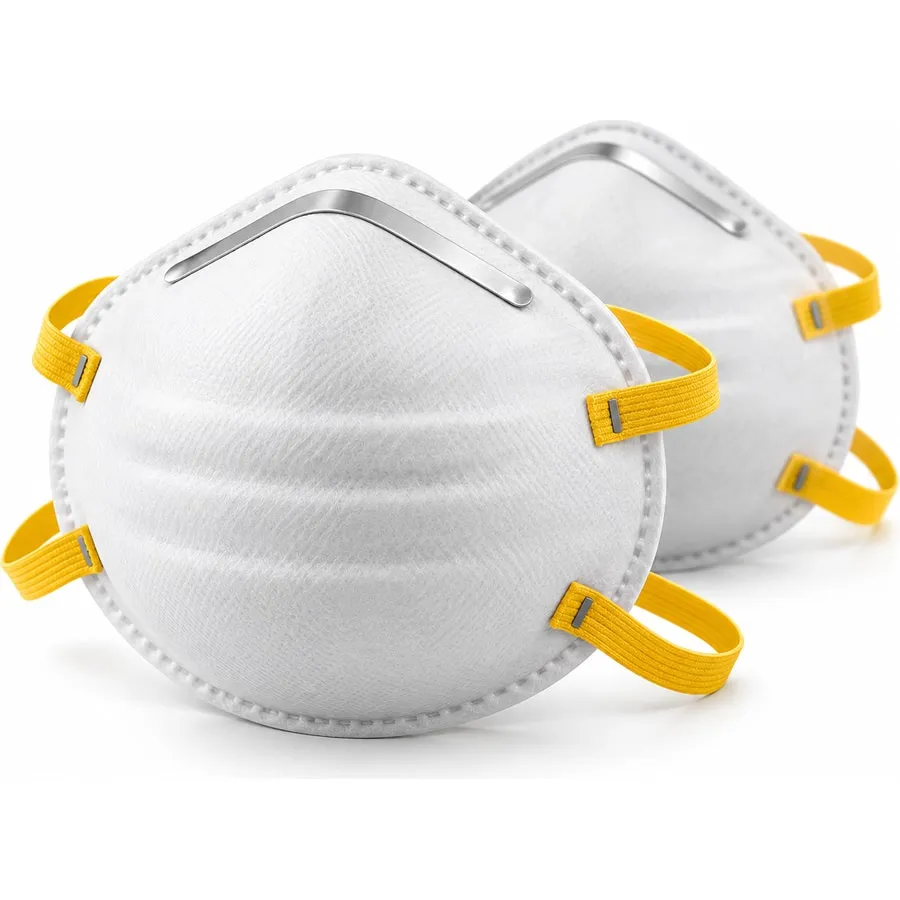
N95 disposable mask
The minimum for loose fibers and settled attic dust, and the one item never to skip. A surgical or cloth mask filters neither. Disposable, so buy a box rather than one.
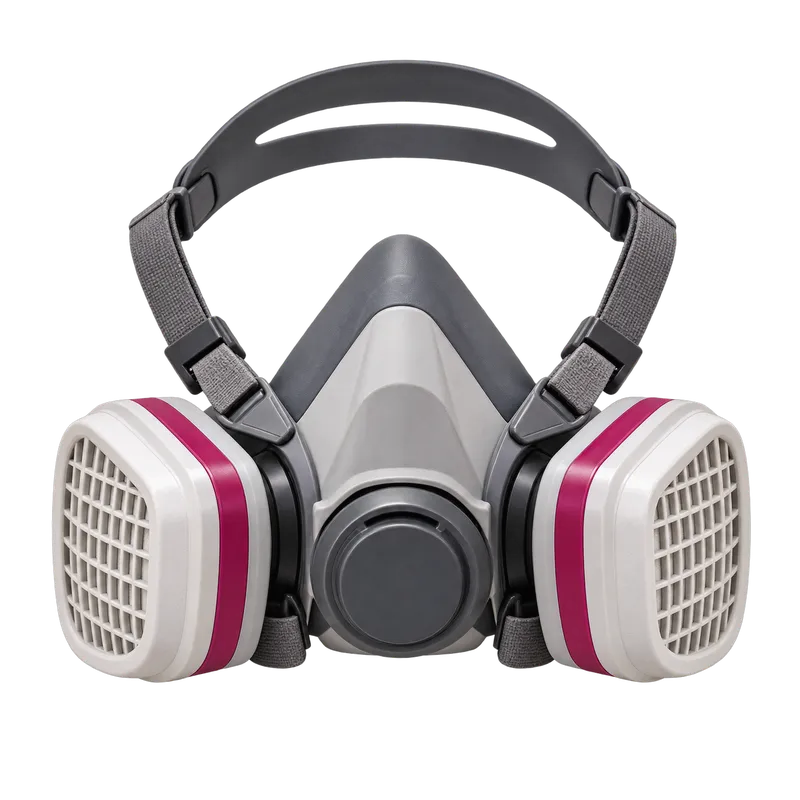
Half-mask respirator
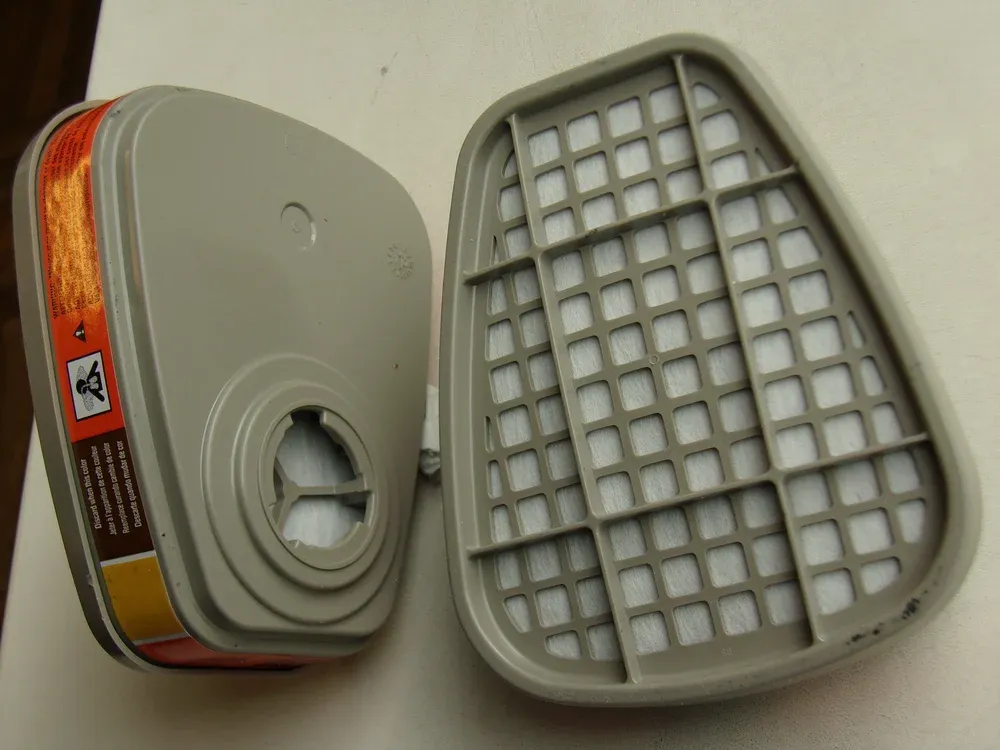
Reusable, seals far better than a disposable, and takes P100 cartridges. Worth it for spray foam, for a dusty retrofit, or for any job long enough that a paper mask sags.
P100 replacement cartridges
Cartridges load up and stop filtering, and a half-mask with spent cartridges is a false sense of safety. Buy a spare pair with the mask rather than after.
Sealed safety goggles
Sealed rather than open-sided, because you will be working below the material and looking up into it.
Work gloves
Fiberglass irritates skin on contact and the fibers are hard to wash out afterwards.
Disposable coveralls
Fiberglass in clothing is genuinely unpleasant and survives a wash. Hooded, with elasticated cuffs, is the version worth buying.
Knee pads
Hours spent kneeling on joists or a crawl space floor. Cheap, and the difference between finishing the job and stopping early.
Hearing protection
An insulation blower running in an enclosed attic is loud enough to matter over a full day.
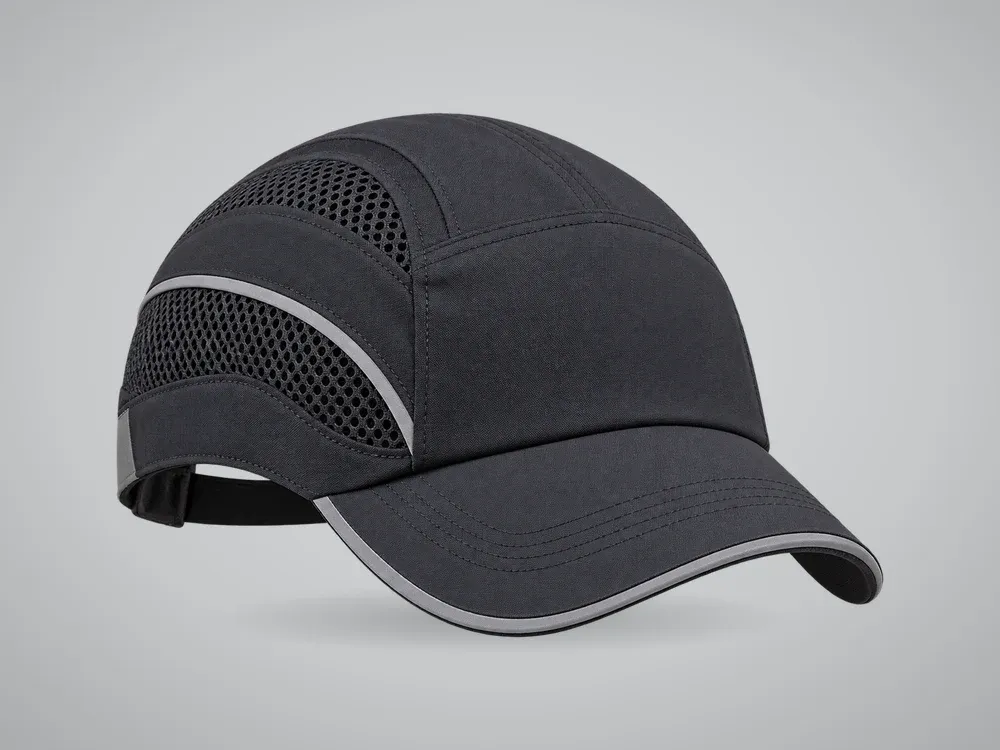
Bump cap
Attics and crawl spaces are full of roofing nails at head height. Lighter than a hard hat and you will actually keep it on, which is the whole point.
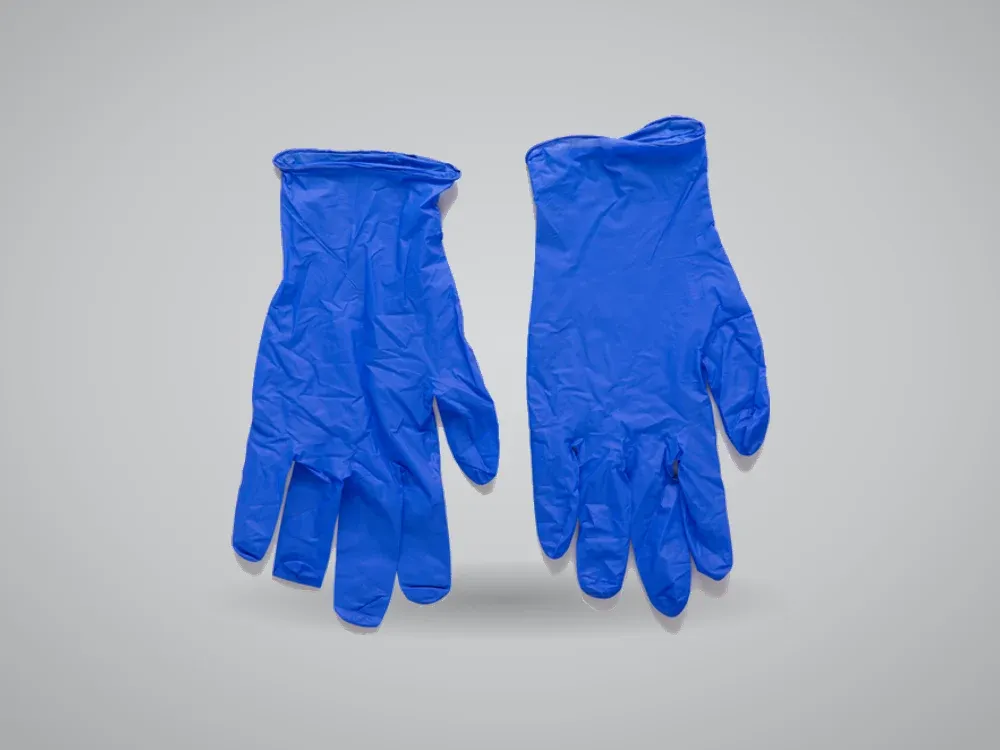
Disposable gloves
For sealant and foam, which do not come off skin easily once cured.


Retailer links open a search — exact products, pricing, pack sizes and availability vary by store. Amazon links on this page are affiliate links; we may earn a commission at no extra cost to you. Full disclosure.
Essential tools
What the job needs beyond what most people already own.
Rechargeable headlamp
Keeps both hands free while measuring or placing insulation, which matters when you are balancing on joists in the dark.
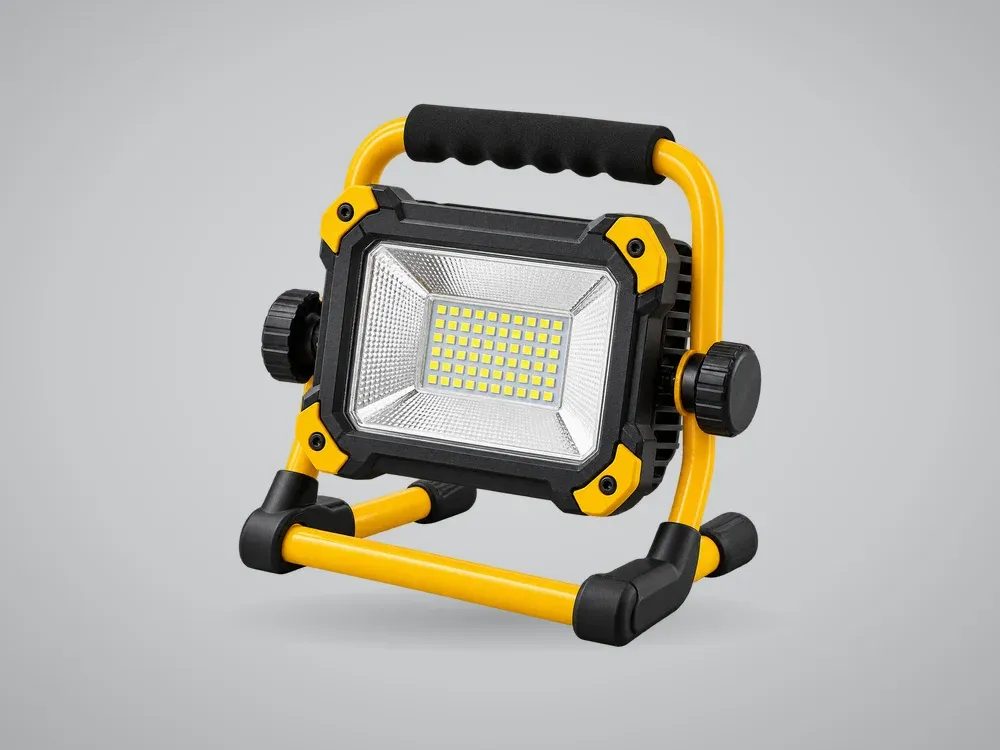
Rechargeable work light
A headlamp lights where you look; a standing light lights the whole bay so you can see what you have missed.
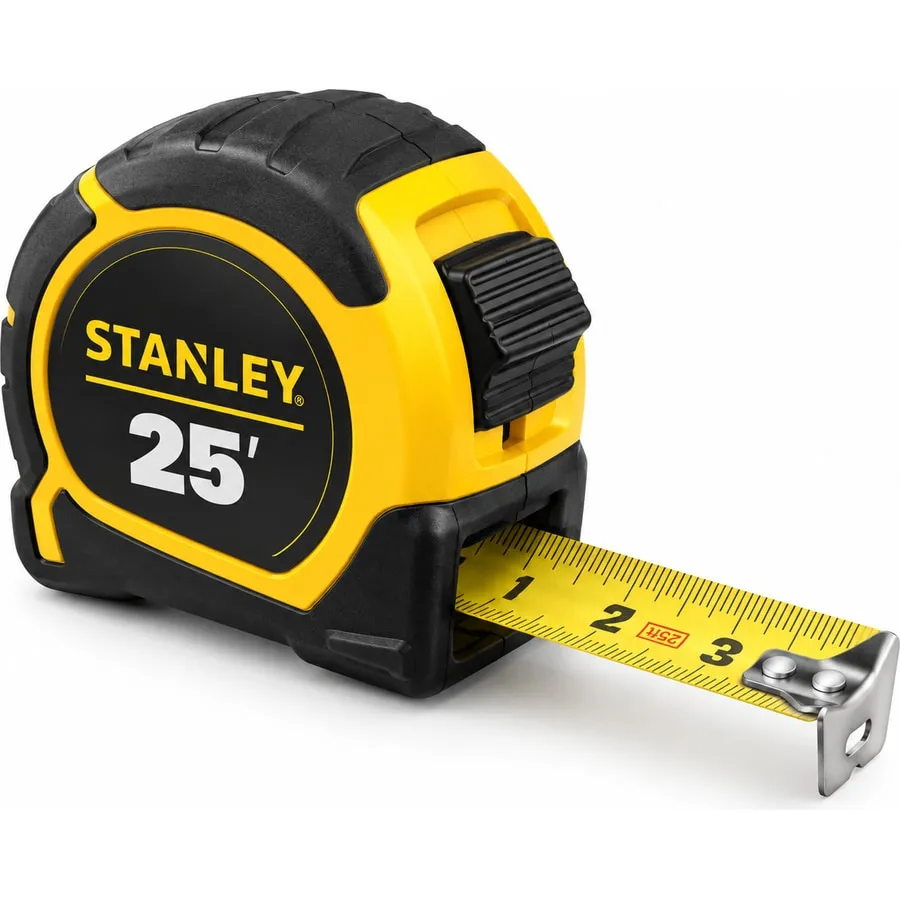
Tape measure
For the area figure this calculator runs on, and for cutting batts to the cavity.
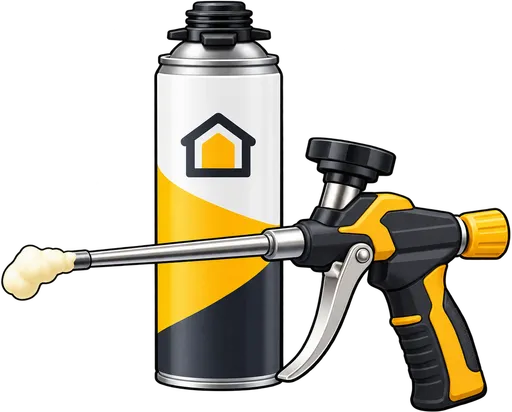
Professional foam applicator gun
Controls the bead far better than a straw can, and lets you stop and restart a can over several days instead of wasting it.
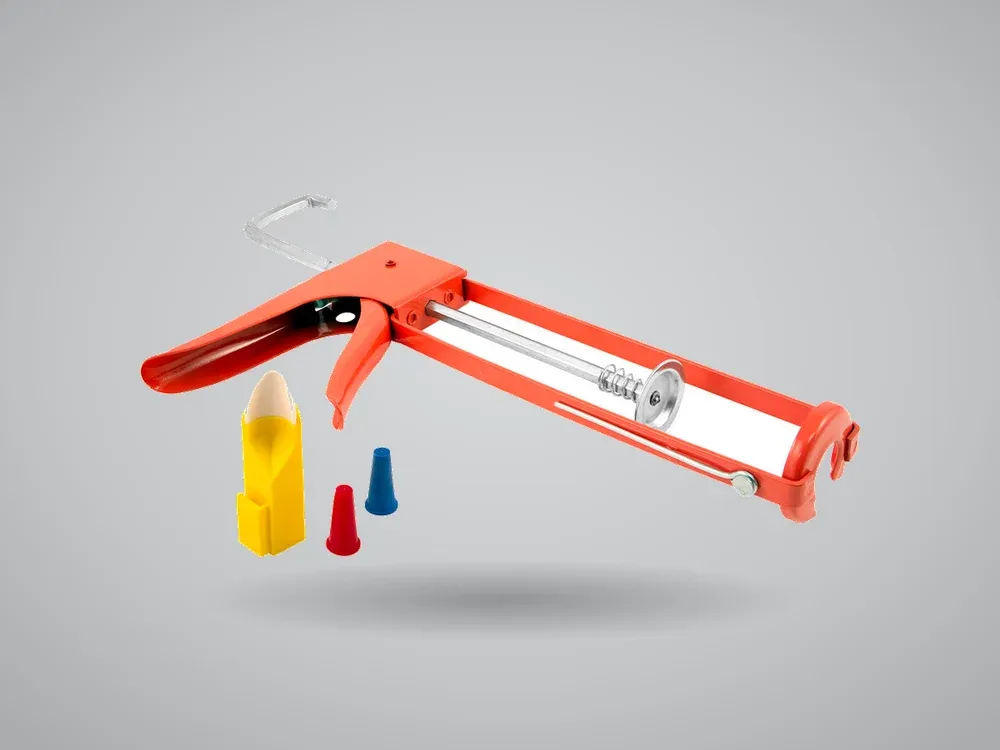
Caulk gun
A dripless frame is worth the small premium when you are working above your head.
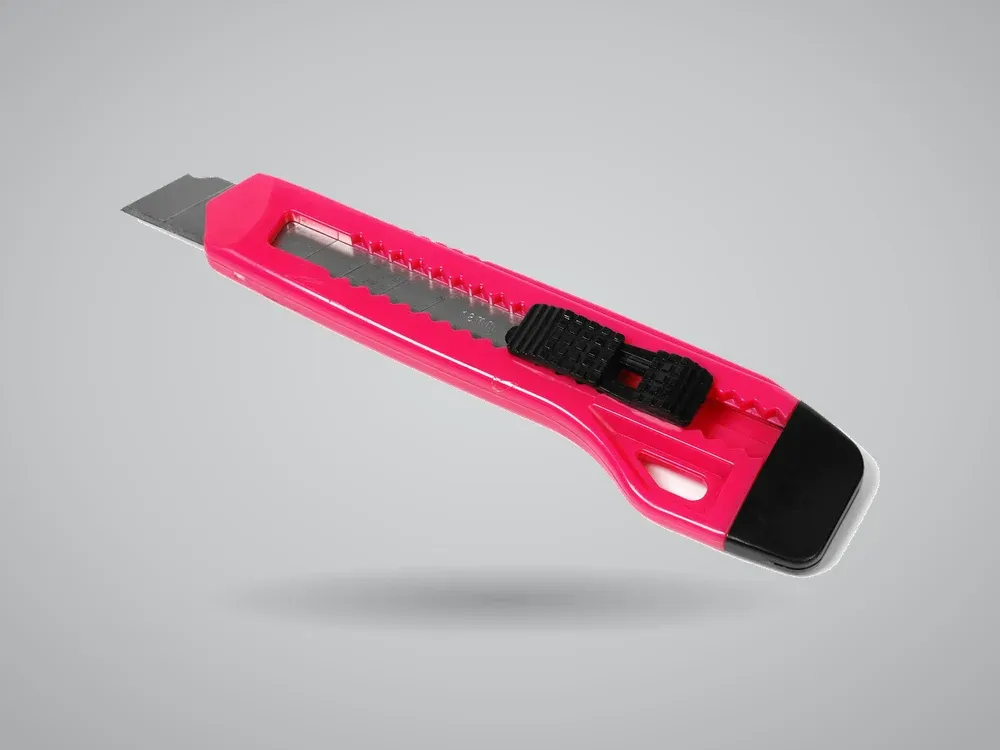
Utility knife
For packaging, facing, baffles and board. Keep spare blades to hand.
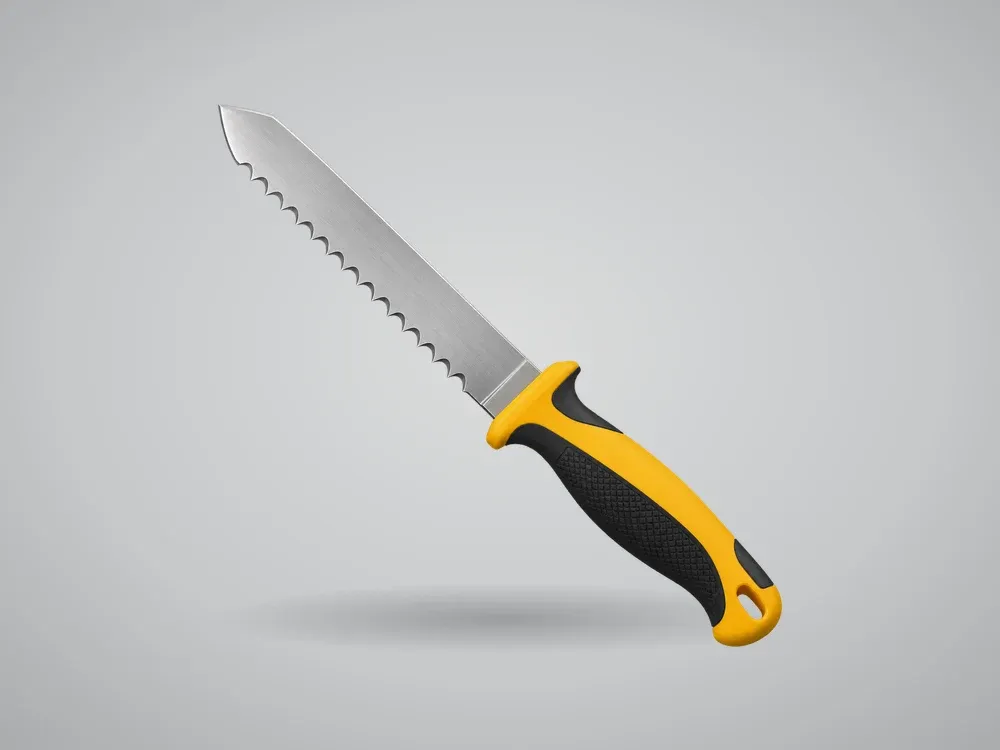
Insulation knife
A long serrated blade cuts batts cleanly in one pass. A utility knife crushes the edge, and a compressed edge is a gap.
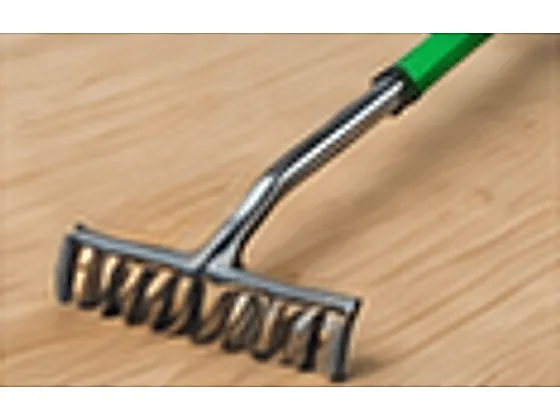
Insulation rake
Levels blown material to an even depth. Uneven depth means the thin spots set your real R-value, not the average.
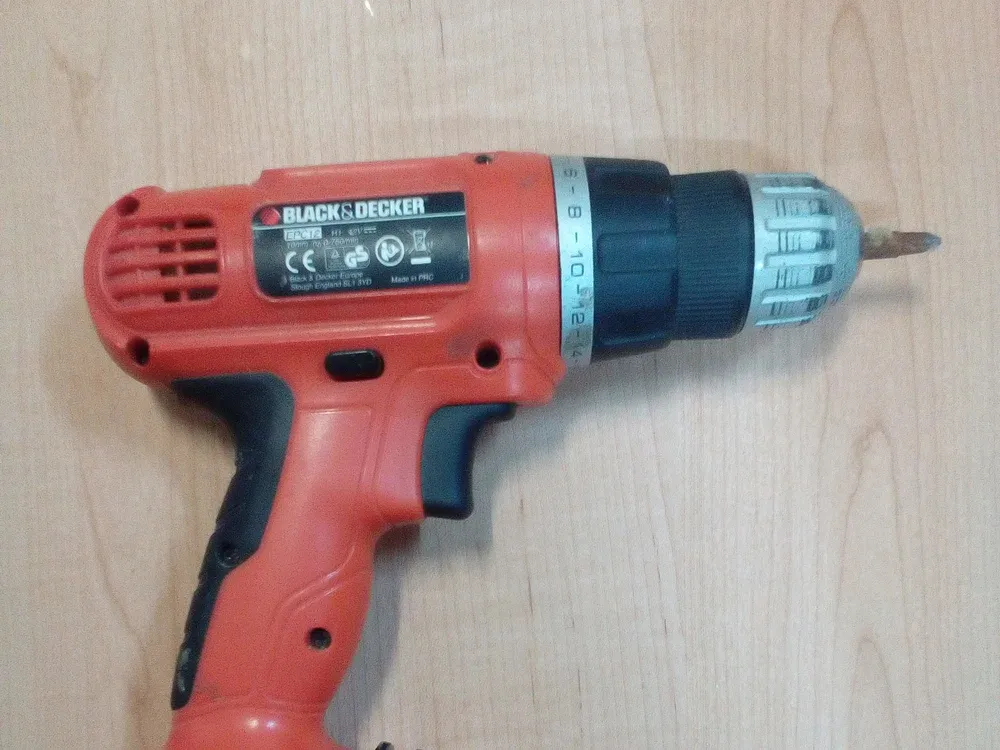
Cordless drill
For baffles, supports, hatch hardware and furring. The one tool that turns up in every stage of the job.

Retailer links open a search — exact products, pricing, pack sizes and availability vary by store. Amazon links on this page are affiliate links; we may earn a commission at no extra cost to you. Full disclosure.
Attic-specific kit
The items that only come up because you are working above a ceiling.
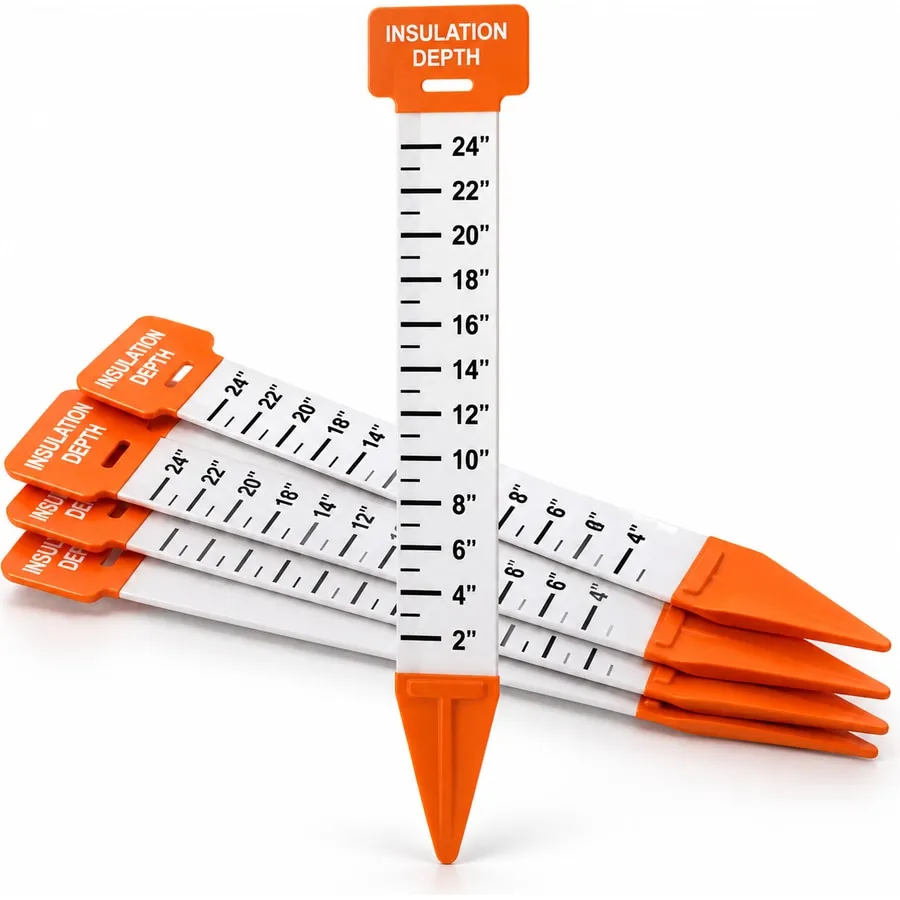
Insulation depth markers
Set to your target depth before you start. Blown insulation looks even when it is not, and this is the only way to know you have hit the R-value you paid for.
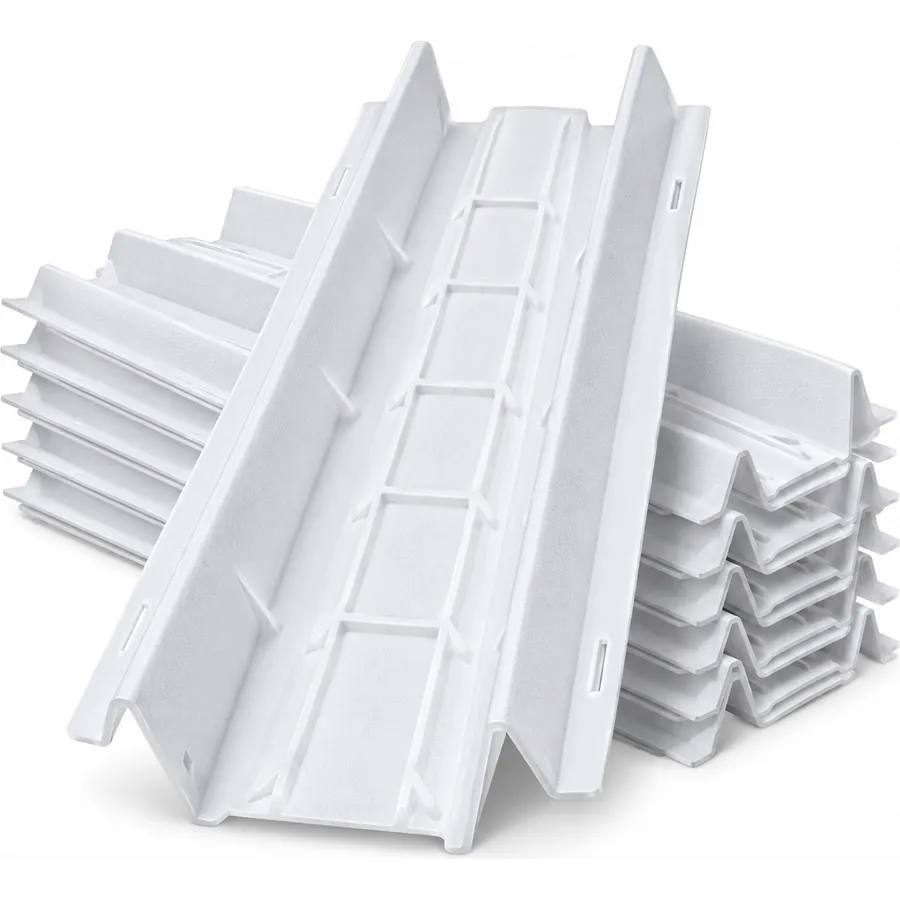
Rafter vent baffles
Keeps the soffit vents clear once insulation is deep enough to block them. Blocked vents cause moisture and ice dams.
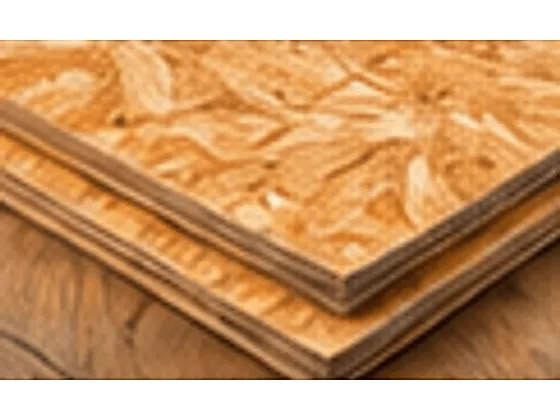
Plywood walk boards
Spreads your weight across joists. Once loose fill is down you cannot see where the joists are, and a foot through the ceiling is the expensive mistake.
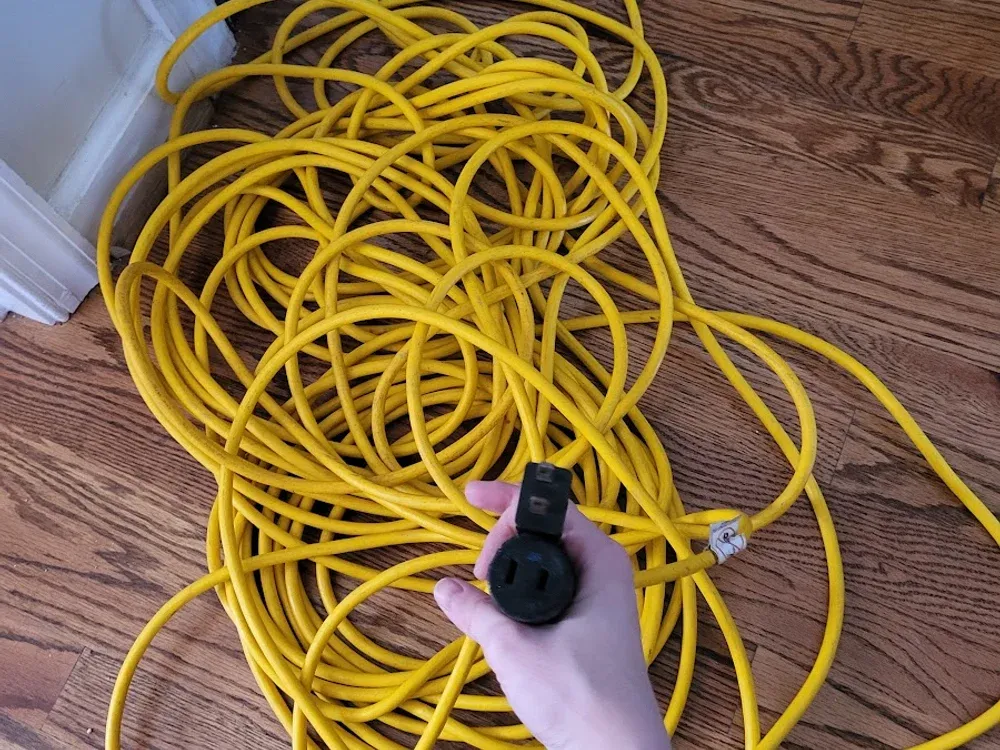
Heavy-duty extension cord
Attics and crawl spaces rarely have an outlet. Rated for the blower if you are renting one — an undersized cord is a fire risk, not just an inconvenience.
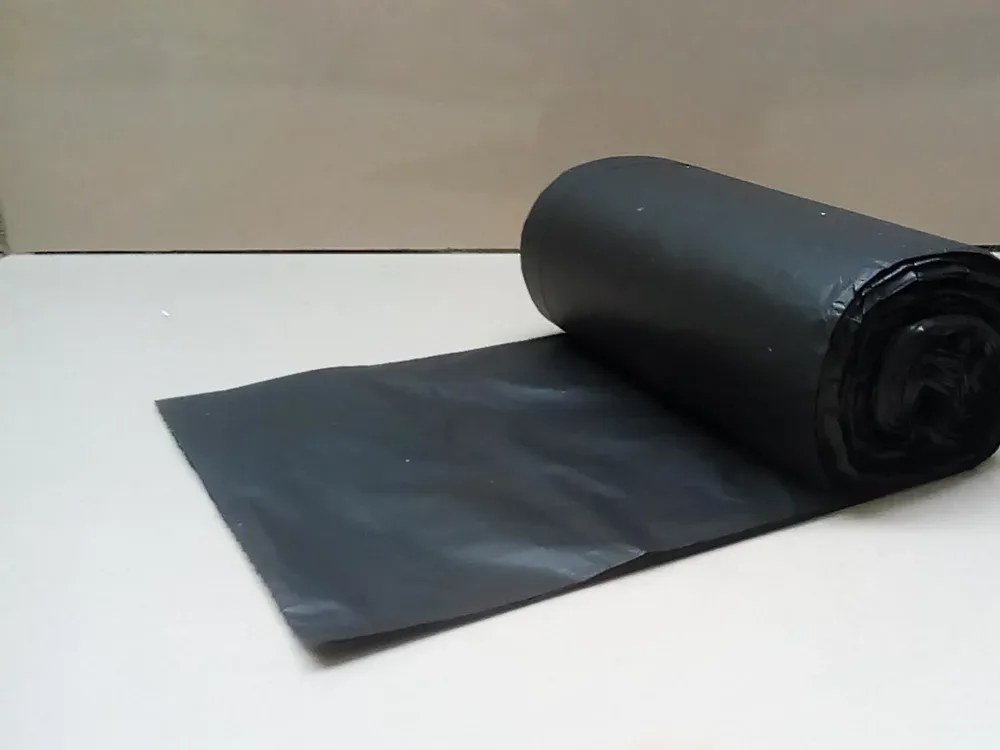
Contractor trash bags
Heavy enough for insulation offcuts and old material without splitting on the way down the ladder.
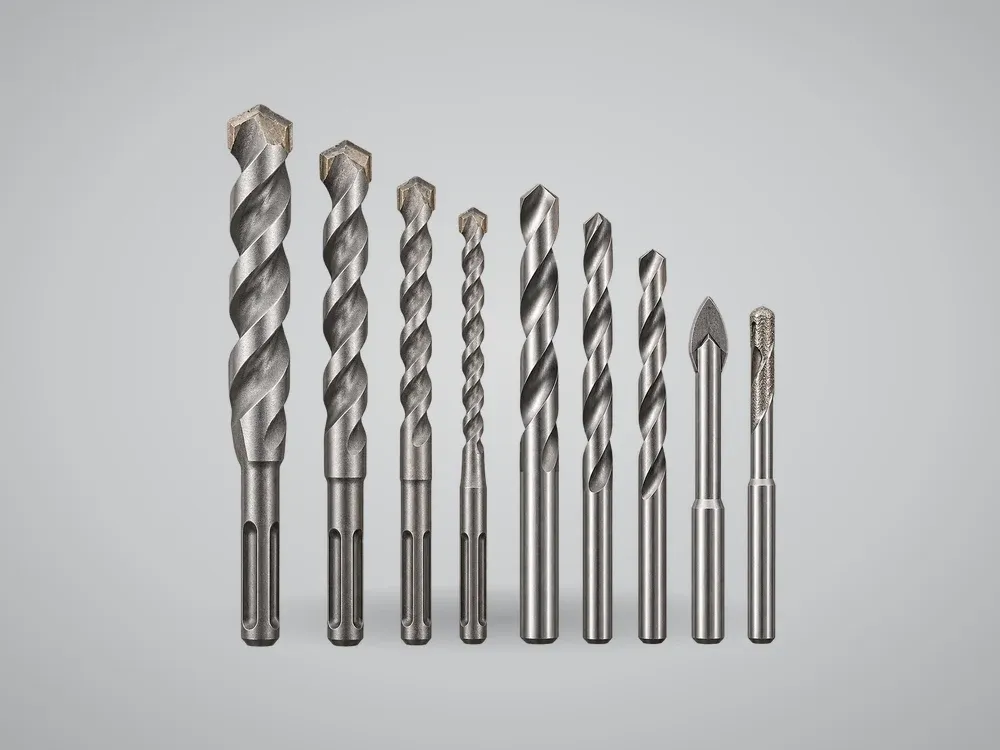
Drill and driver bit set
Covers the fixings the job actually uses rather than the two you own.
Retailer links open a search — exact products, pricing, pack sizes and availability vary by store. Amazon links on this page are affiliate links; we may earn a commission at no extra cost to you. Full disclosure.
Also in this category
Moisture meter
Check the joists and subfloor before you cover them. Insulating over damp wood hides a problem that gets more expensive the longer it is hidden.
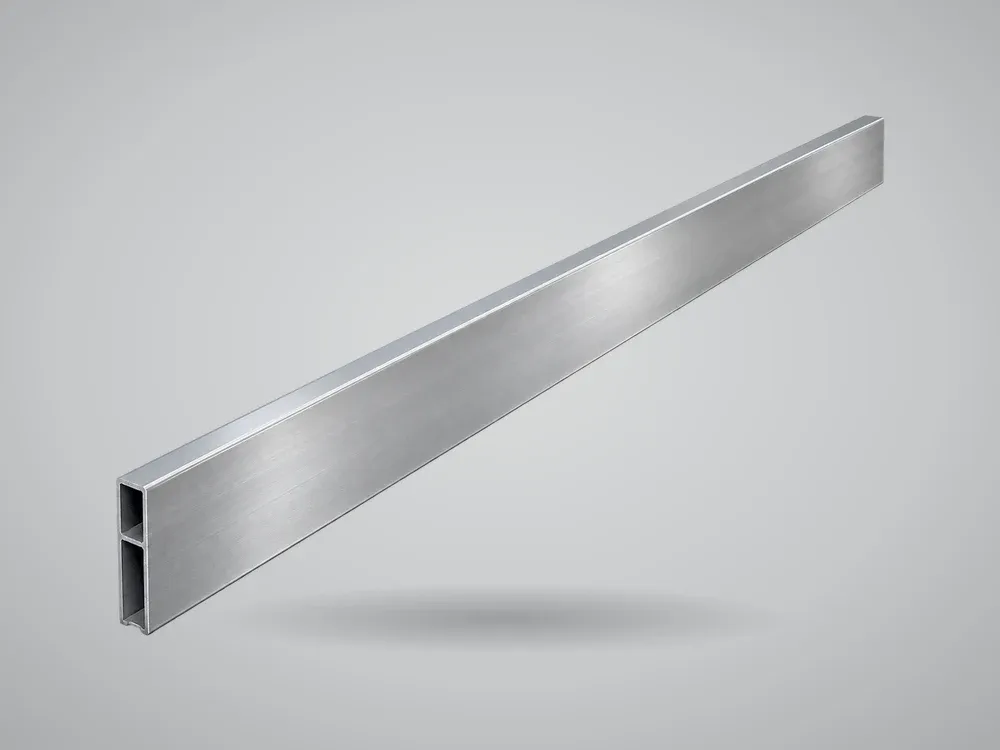
Straight edge or drywall square
Compresses the batt along the cut line so the blade tracks straight. This is what makes the difference between a tight fit and a gap.
Infrared thermometer
Finds the cold spots worth sealing before you insulate, and confirms afterwards that they are gone.
Inspection mirror
Lets you see into eave bays and behind obstructions without crawling the last three feet to get there.
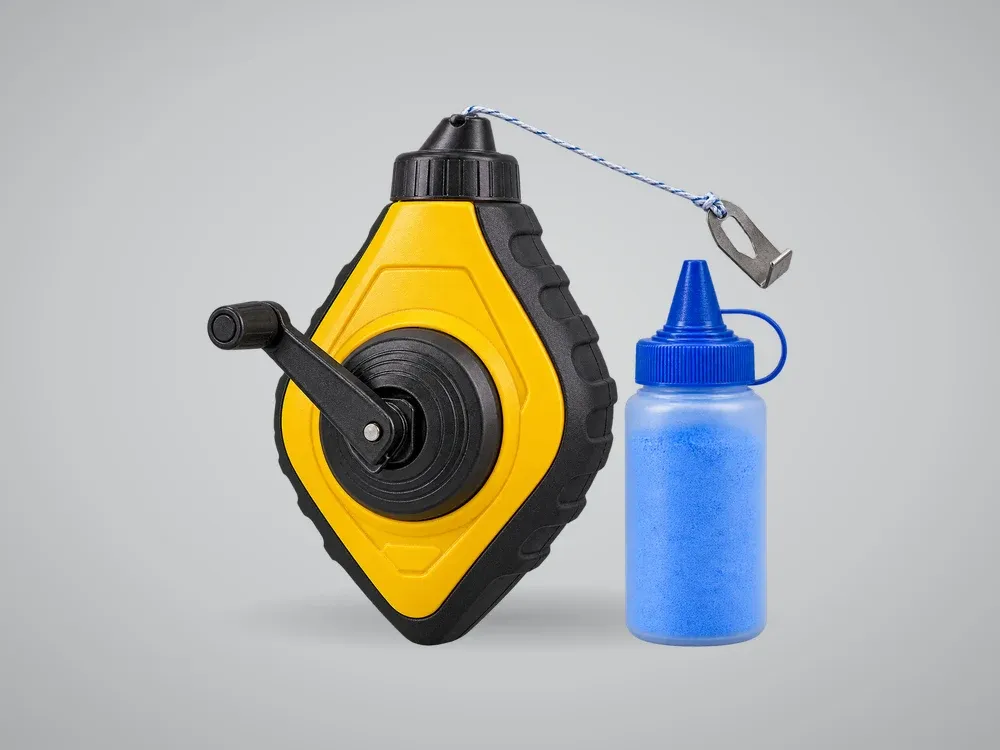
Chalk line
For marking stud bays before you drill and depth lines before you blow. Faster and straighter than a tape and a pencil over any distance.
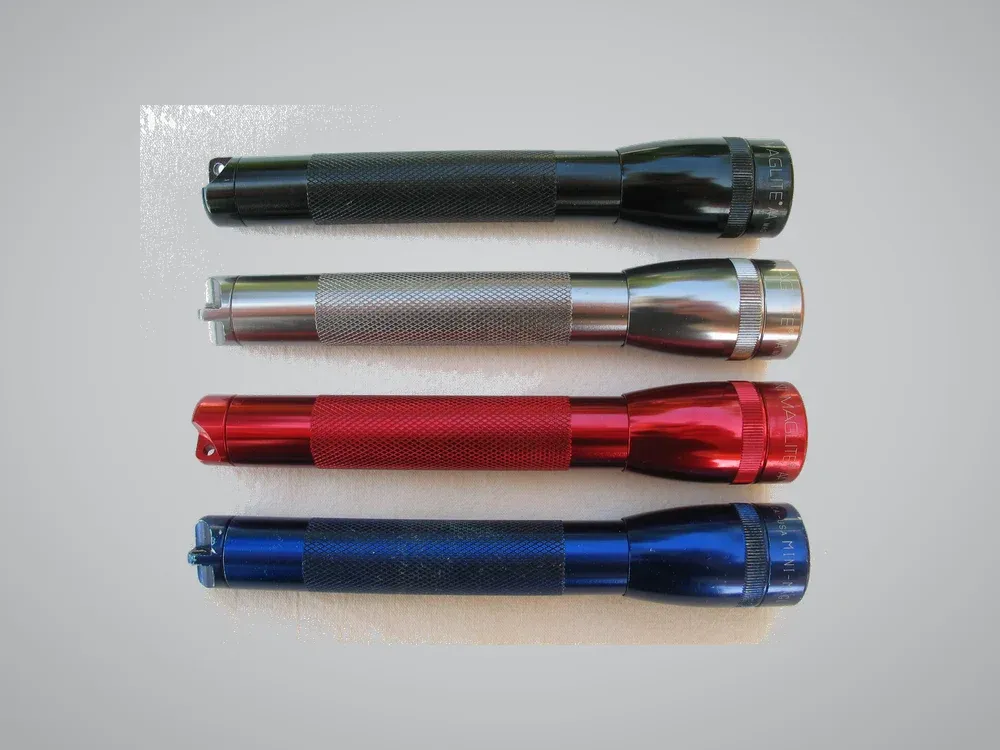
Handheld flashlight
For checking into eave bays and behind obstructions before committing to a plan.
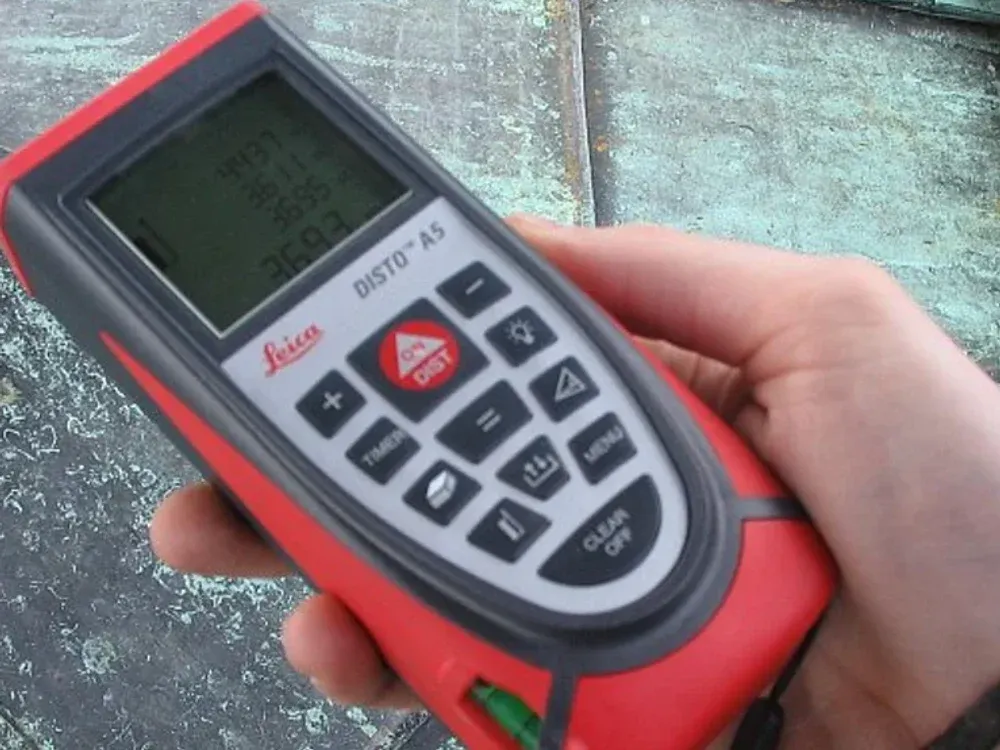
Laser distance measurer
Measures a room end to end on your own, which a tape cannot do in an attic without somewhere to hook it.
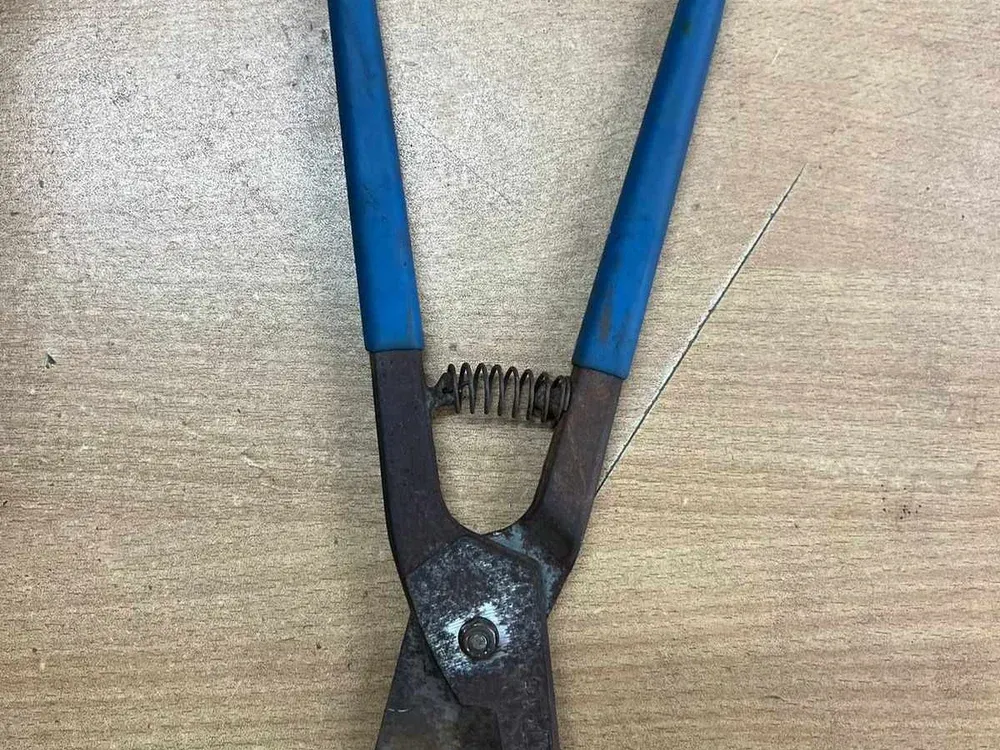
Tin snips
For baffles, foil-faced board and flashing. A utility knife tears baffle plastic rather than cutting it, which is how you end up with a baffle that will not sit.
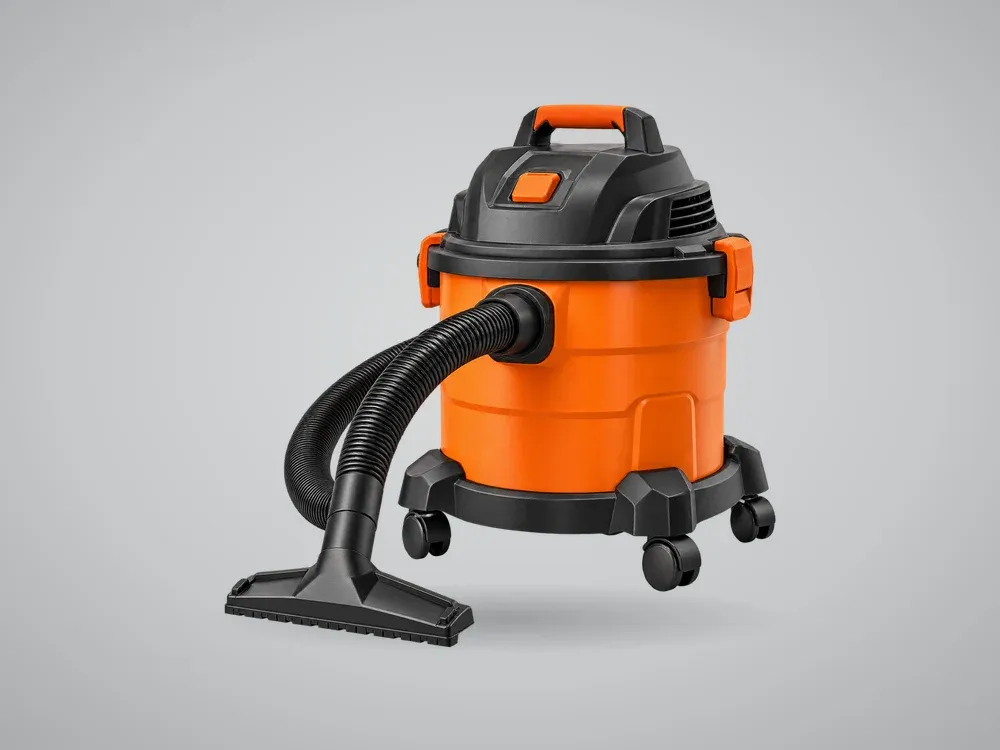
Shop vacuum
A household vacuum will not survive insulation dust. Use a fine-dust filter bag, or you redistribute what you just collected.

Retailer links open a search — exact products, pricing, pack sizes and availability vary by store. Amazon links on this page are affiliate links; we may earn a commission at no extra cost to you. Full disclosure.
Get the tool list for your specific job
Tools vary by material and by space — a blown cellulose attic needs different kit from batts in an open wall, and a crawl space needs protective equipment neither of them does.
No personal information required