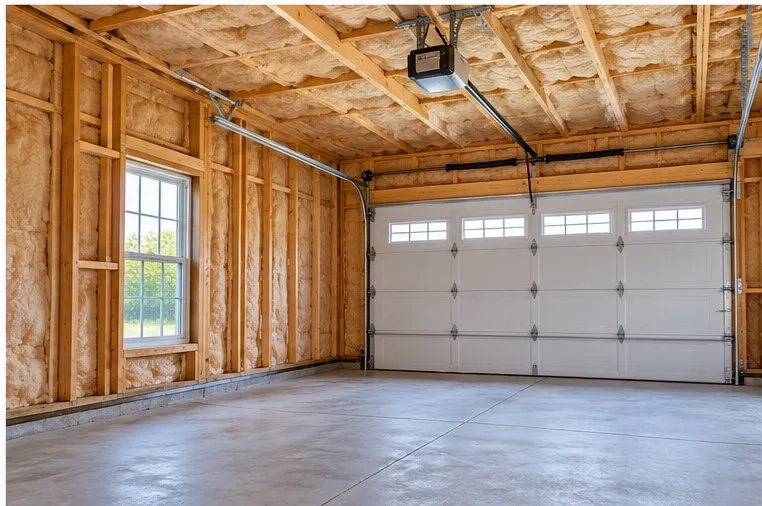
Quick estimate
A two cars garage at 20 × 20 ft has roughly 400 sq ft of ceiling and a similar area of wall. At batt rates that is a few hundred dollars in materials — but the insulation is rarely the expensive part, and insulating the wrong surfaces is the most common way to waste the money entirely.
Which surfaces actually pay
2021 IECC defines the thermal envelope as what separates conditioned from unconditioned space. An attached garage is unconditioned, so:
- The wall shared with the house — in the envelope. This is where heat actually escapes, and it is code-required.
- The ceiling, where there is living space above — in the envelope. A room over an unheated garage is the coldest room in most houses.
- Exterior garage walls, the door, the slab — outside the envelope. These do nothing for your house energy use. They are only worth money if you heat the garage and want it to hold that heat.
Someone insulating their exterior garage walls to lower a heating bill is spending money for no return. Someone leaving the common wall bare has a cold bedroom above and a code violation.
Cost by material
Installed cost per square foot
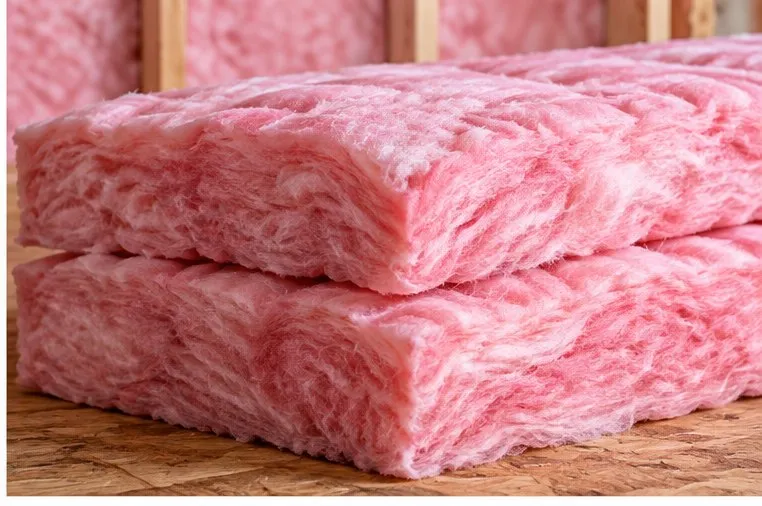
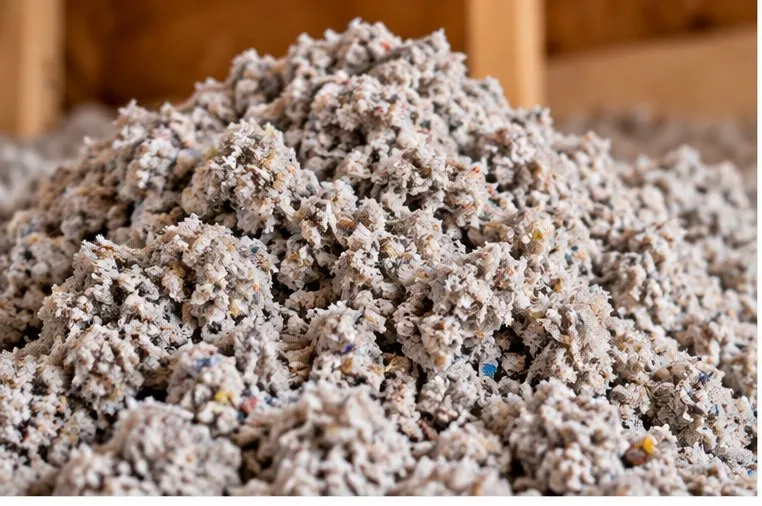
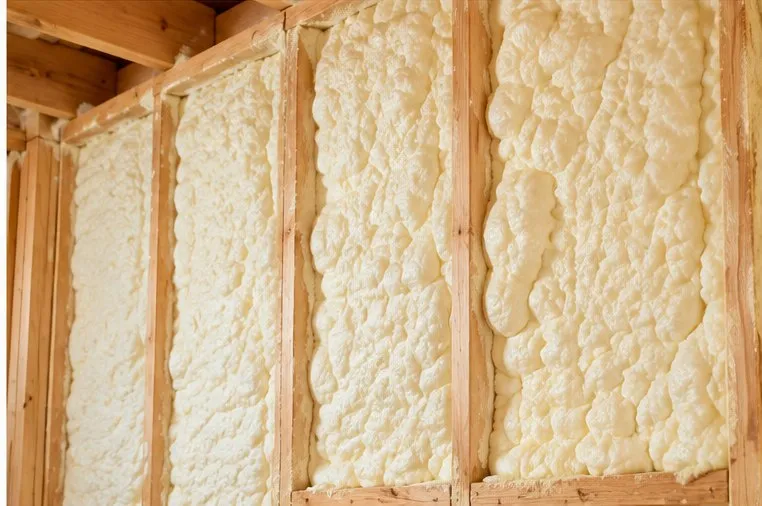
Garage rates. Blown material only makes sense on a ceiling.
- $0.80–$2.00
- $1.00–$2.00
- $1.10–$1.80
- $2.00–$4.00
- $3.00–$7.50
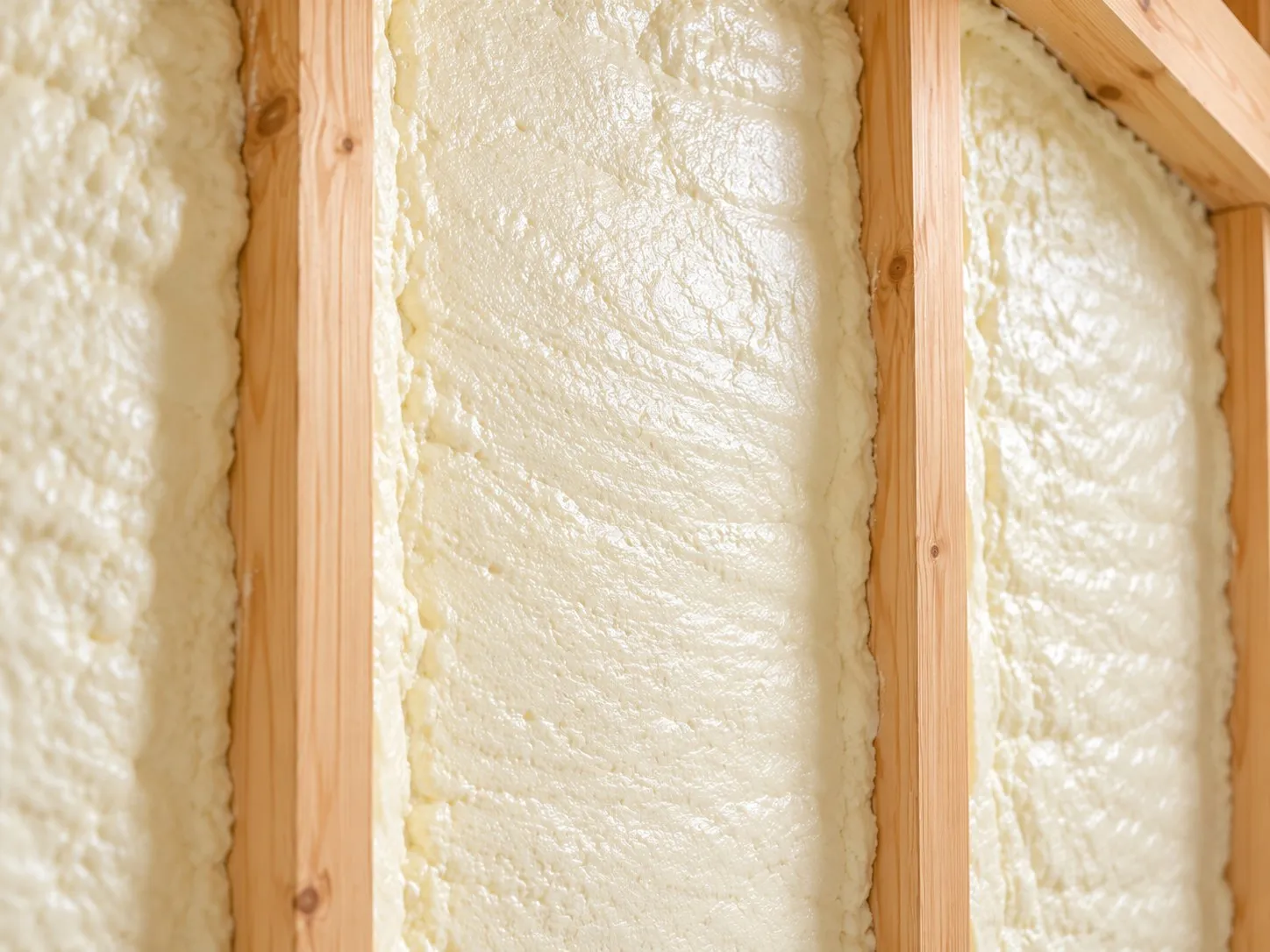
The drywall nobody quotes
IRC Table R302.6 requires gypsum board on the garage side of these assemblies. Insulating means taking it off and putting it back, and that is a real cost:$1.50–$3.00 per square foot installed for standard board, more for the ⅝ inch Type X that a ceiling under habitable rooms requires.
Exposed kraft facing or exposed foam in a garage is a code violation — the attic and crawl space ignition-barrier relaxations do not reach a garage. If a quote has no drywall line on it, ask what happens to the board.
Minimum job charge
Expect a floor around $400–$700. A garage is a small job and the call-out does not scale down, so it is worth bundling with other work.
When to skip it
A detached, unheated garage with nothing above it is outside your thermal envelope in every direction. Insulating it will not lower a bill and will not make it comfortable unless you also heat it. If the goal is a usable workshop, budget for insulationand a heater and judge it on that — not on energy savings that will not arrive.
One safety note that applies the moment you start sealing: air sealing a garage removes the leakage that was keeping it survivable. A tighter garage is more dangerous with a car running or a gas heater in it.