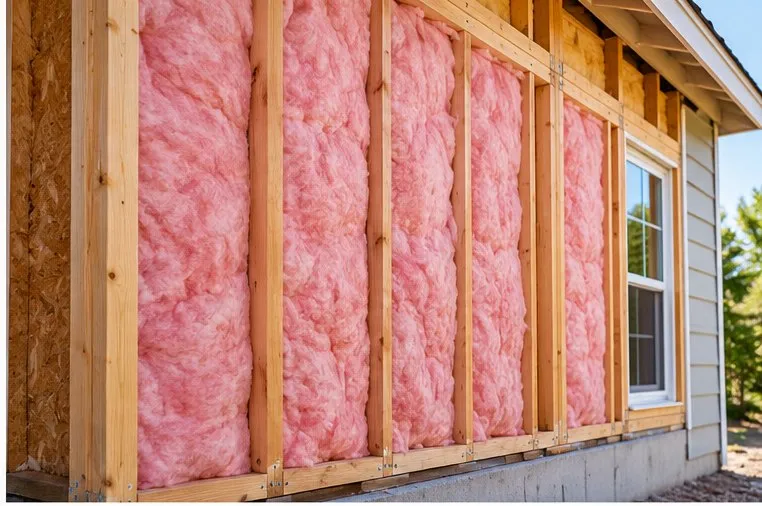
Quick estimate
Wall insulation is priced per square foot of wall, not per R-value, because the labour is the same whether the cavity ends up at R-13 or R-21. Somebody still has to open, fill and close every stud bay. That is why a deeper 2x6 wall costs barely more to insulate than a 2x4 one, and why the single biggest factor in your bill is whether the drywall is already up.
Open framing versus a finished wall
This is the whole decision. With the framing exposed — new construction, an addition, or a gut renovation — insulating a wall is quick, cheap, and genuinely within reach of a competent homeowner. Once the drywall is up, the only way in is a line of holes drilled into every bay, usually from outside under a lifted course of siding, and then patched.
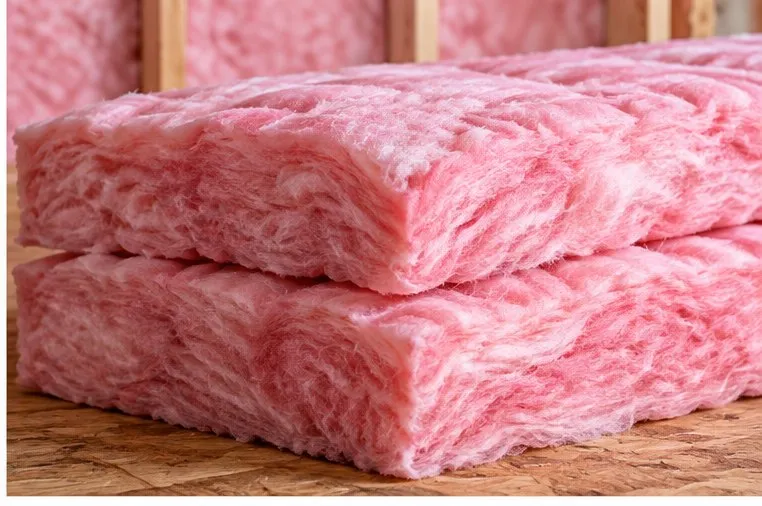
Open framing — installed, per square foot
Everything is available to you when the studs are exposed.
- $1.00–$1.75
- $1.20–$2.40
- $1.20–$2.40
- $1.80–$3.25
- $1.50–$3.00
- $2.50–$4.50
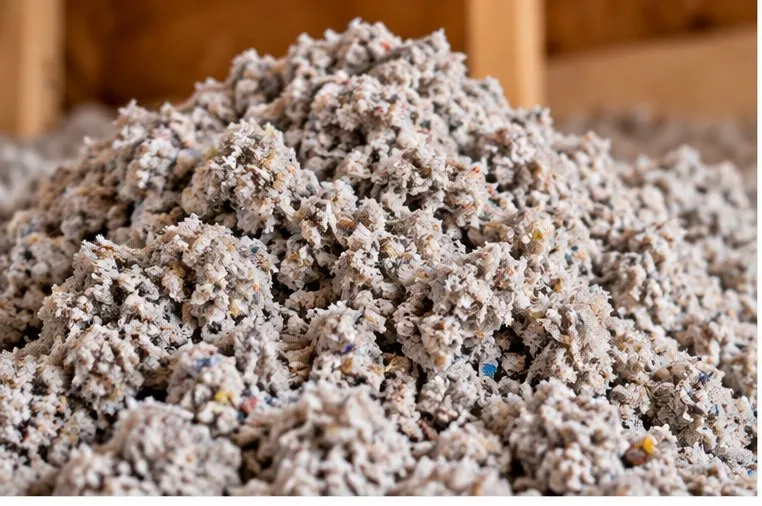
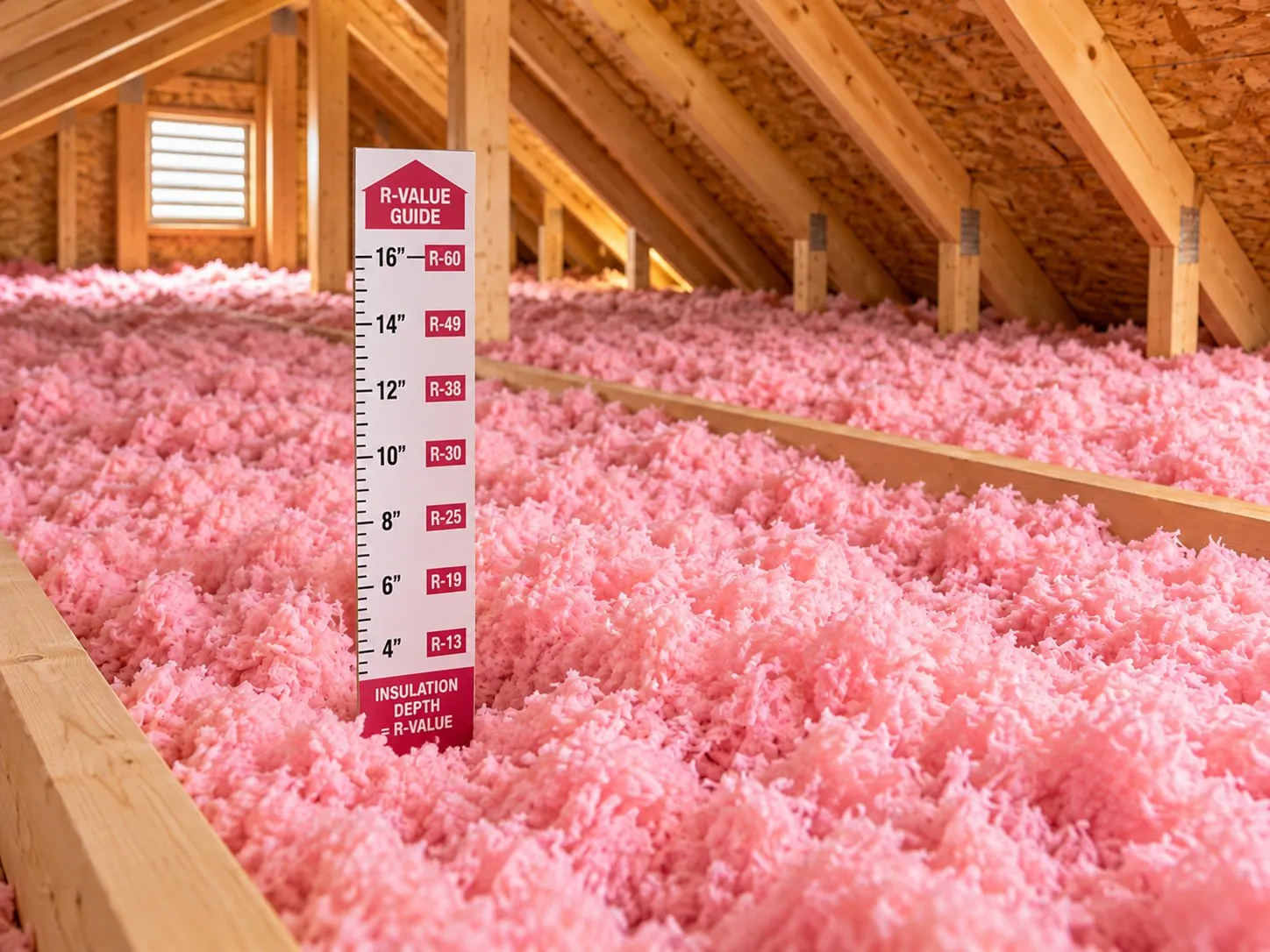
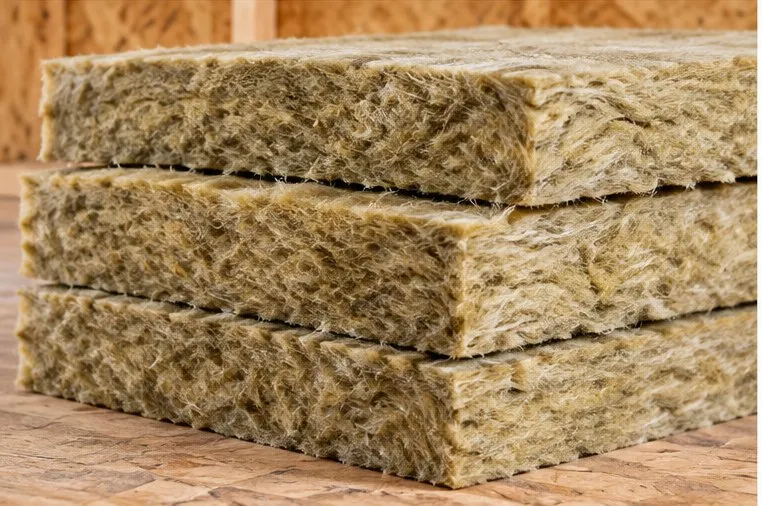
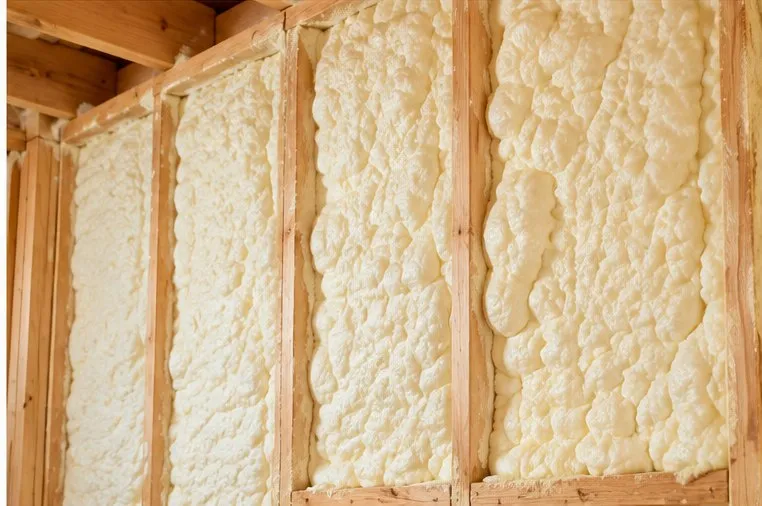
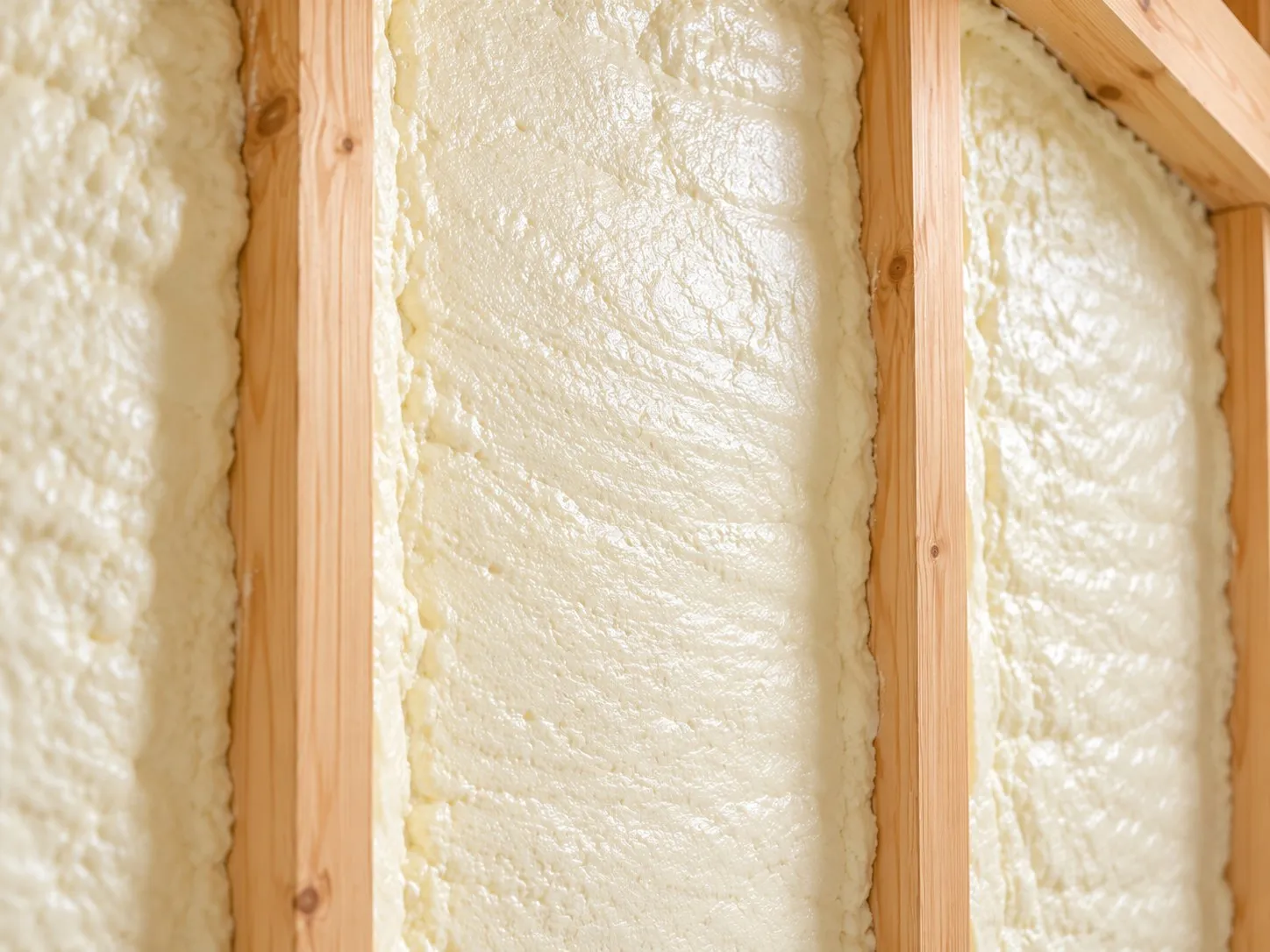
Finished wall — installed, per square foot
Only materials that fit through a drilled hole. The premium is access, not material.
- $1.60–$4.20
- $1.60–$4.00
Dense-packing a finished wall is not realistically a DIY job. It needs around 2.9 psi of static pressure at the hose, which rental hoppers cannot produce, and an underfilled cavity settles and leaves an uninsulated strip at the top of every bay — the exact problem you were paying to fix.
Injection foam, the third option
A pourable foam injected through drilled holes, so it works in a finished wall. Gives about R-12 to R-13 in a 2x4 cavity. Sold through licensed dealers rather than retail. Reckon on $1.5–$3 per square foot installed. We do not estimate it in the calculator because it is quoted by the dealer rather than sold by the bag, but it is worth a price alongside your dense-pack quotes.
Cost by material
In open framing, batts are the cheapest route and the easiest to fit yourself —$0.45–$0.85 per square foot in materials. Mineral wool costs roughly double for better fire and sound performance. Spray foam costs the most and is the only option that air-seals as it insulates, which is worth more in a leaky wall than the extra R-value is.
The minimum job charge
Expect a floor of $800–$1,500 for drill-and-fill, whatever the size. Staging, pulling siding, coring plaster and patching afterwards do not scale down, so a single cold wall often costs nearly what a whole floor would. If you are doing one room, get a price for the rest of that elevation at the same time.
What changes the price
- Siding type. Vinyl lifts and re-hangs easily. Brick, stucco and fibre cement mean drilling from inside and patching plaster.
- Storeys. Anything above the ground floor needs staging or a lift.
- Existing insulation. A partly filled cavity usually cannot be dense-packed at all — there is nowhere for the material to go.
- Obstructions. Fire blocking, old knob-and-tube wiring and balloon framing all add holes and time.
Is it worth doing?
The attic is almost always the better first project: cheaper per R-value, easier to reach, and more heat leaves through the ceiling. Walls earn their money when the attic is already done, when you are re-siding or renovating and the cavities are open anyway, or when specific rooms are genuinely uncomfortable. Filling an empty cavity is worth doing even where it cannot reach the current code figure — a 2x4 wall physically cannot, and most of the benefit is in the first inches.