The order matters more than people expect. Air sealing before you add depth, baffles before you blow, and protective equipment before any of it — insulation work puts you in a confined space full of airborne fibre and decades of dust.
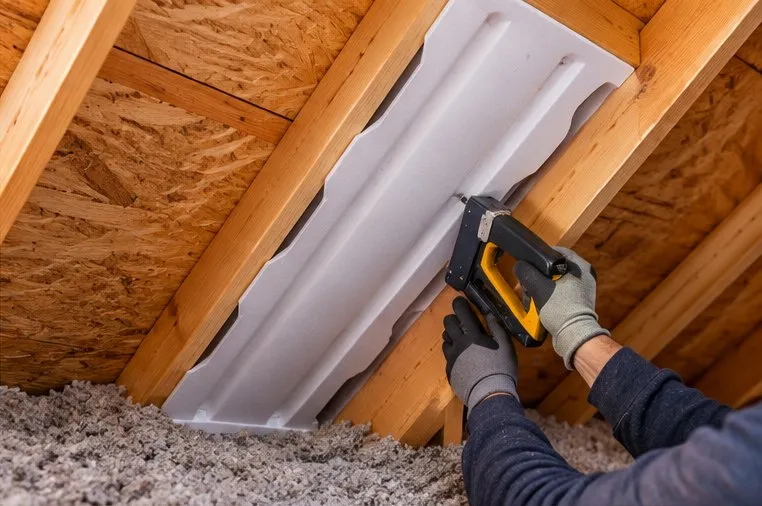
Should you do it yourself?
Decide firstWhich insulation jobs are genuinely DIY-able, which need equipment you cannot hire, and where the saving actually is.
Read more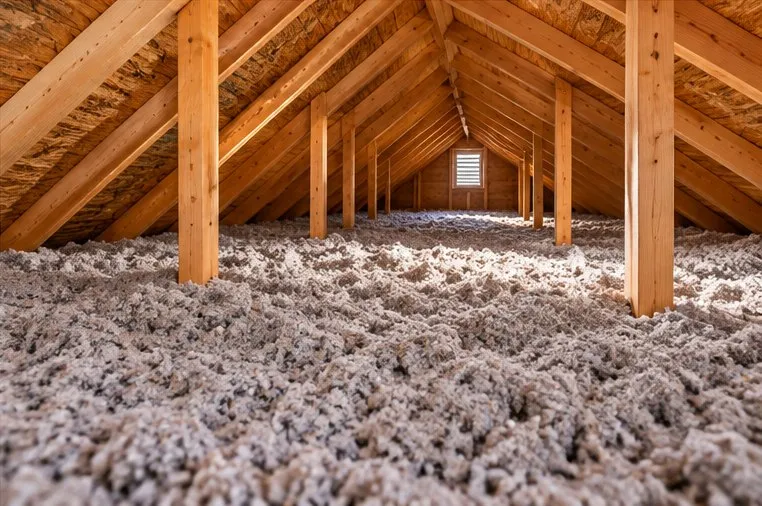
DIY attic insulation
The whole project end to end: what to check before you start, how long it takes, and what goes wrong.
Read more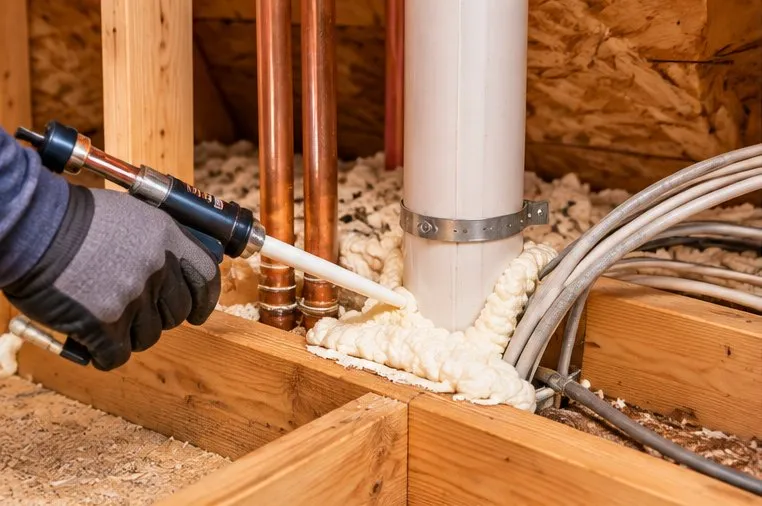
How to insulate an attic
Step by stepThe nine steps in the order they must happen — air sealing before depth, baffles before blowing.
Read more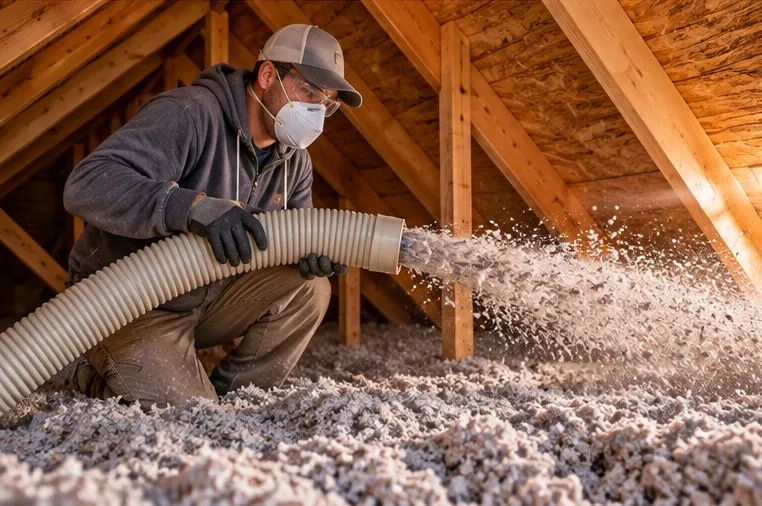
Tools and safety gear
What the job actually needs, what you can hire, and the protective equipment that is not optional.
Read more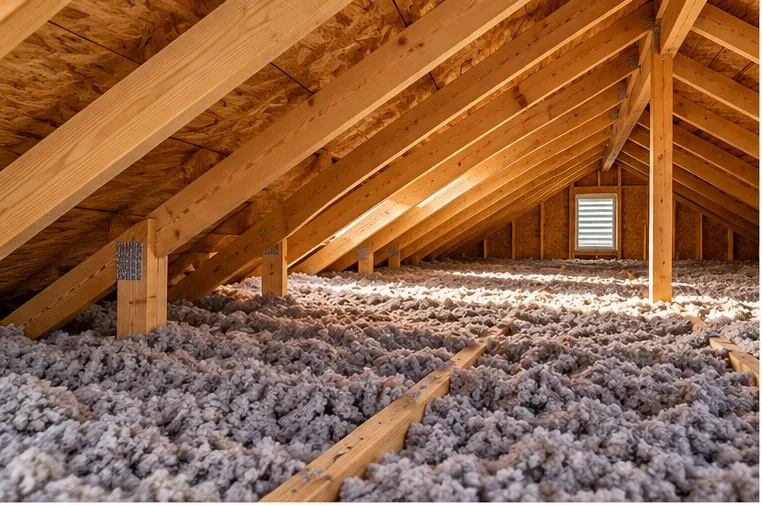
Build your shopping list
From your numbersQuantities for your own measurements — insulation, air sealing, safety gear and tools, in one list.
Read more
Four things that go wrong
None of these are obvious from the packaging, and each of them costs either money or performance.
- A dust mask is not respiratory protection. Loose fibreglass and decades of attic dust need a half-mask with P100 cartridges. A paper mask is rated for nuisance dust and seals against nothing.
- Baffles go in before the insulation, not after. Blow first and you bury the soffit vents, and a blocked vent causes exactly the moisture and ice damming you were insulating to avoid. Afterwards they are unreachable.
- Compressed batts lose their rating. An R-19 batt squashed into a 3½ inch bay is not R-19 — it is closer to R-13. Buy the batt that fits the cavity.
- You cannot judge depth by eye. Loose fill looks even and is not. Depth markers stapled to the joists before you start are the only practical way to confirm you hit the target.