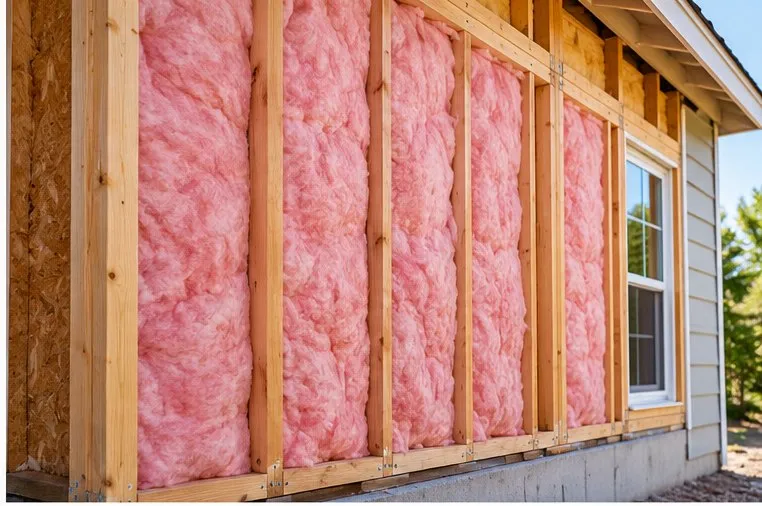
These get compared on R-value per inch, which is the least interesting difference between them. Fiberglass slows heat conduction and does nothing about air movement. Closed-cell foam does both in one pass, and in a leaky assembly that is worth more than any R-value number suggests.
Side by side
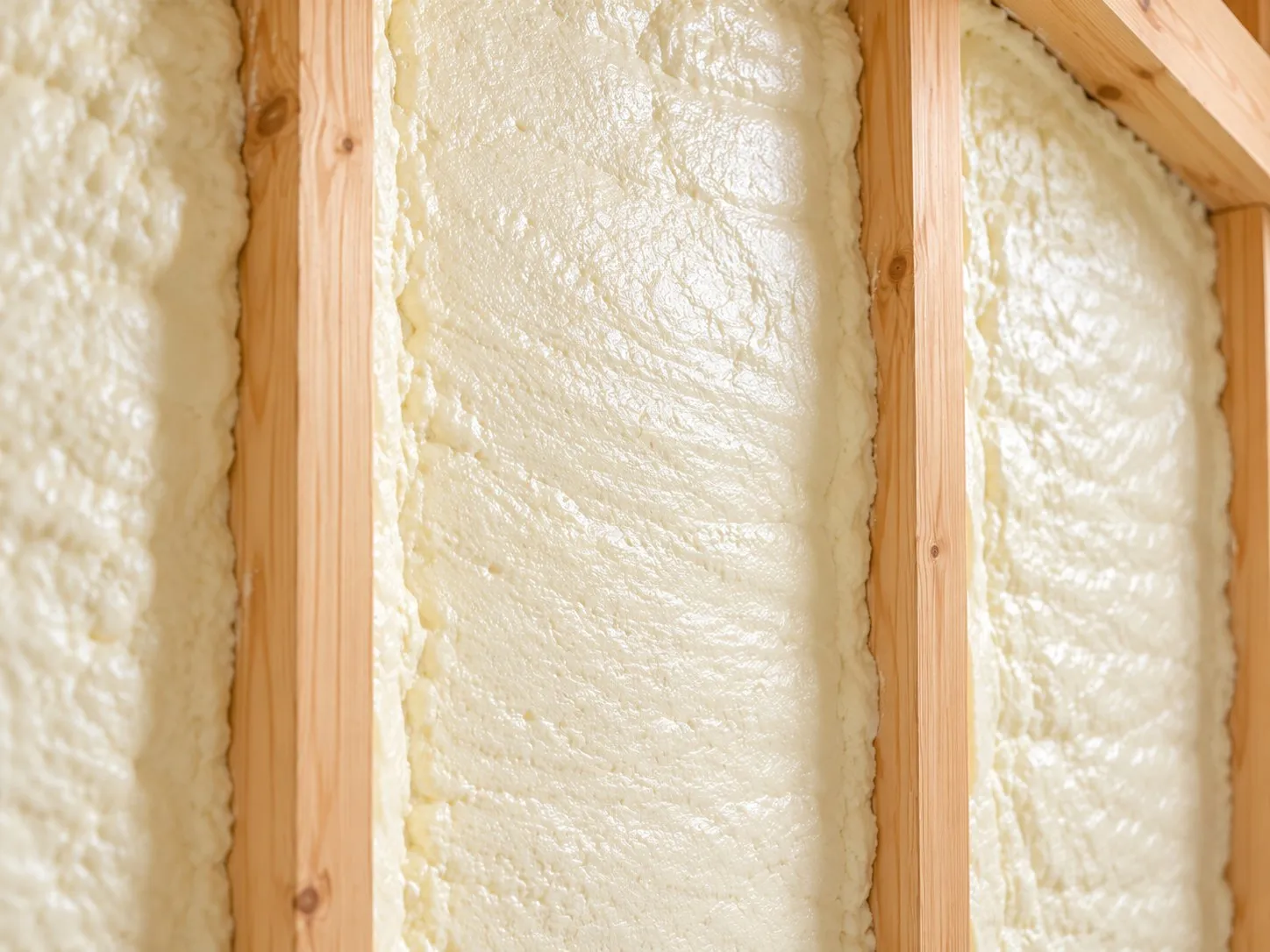 Spray foam
Closed-cell spray foam
- R per inch
- R-6.5
- Depth for R-30
- 4.5"
- Installed cost
- $4.80–$8.40
- DIY
- No — rig and supplied air
- Air seals and insulates in one pass
- Adds structural rigidity to a wall
- Acts as its own vapour control above about 2 inches
- Fills irregular cavities batts cannot
Choose this when: Rim joists, irregular cavities, crawl space and basement walls.
More on spray foam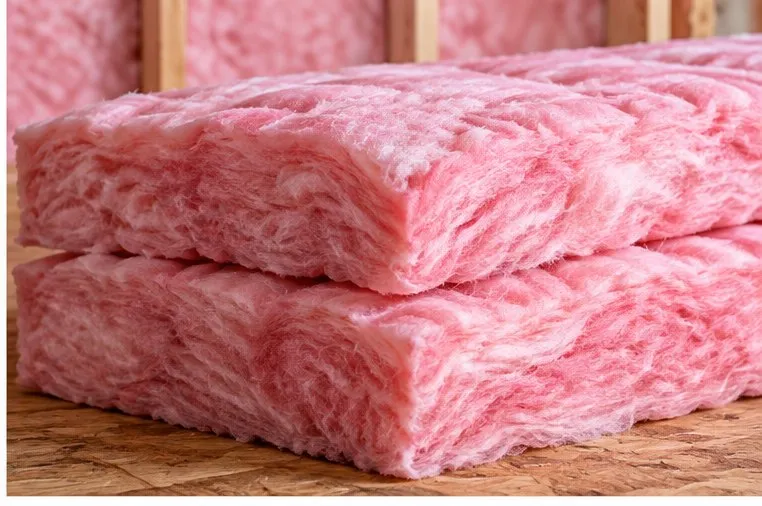 Fiberglass
 batts
- R per inch
- R-3.2
- Depth for R-30
- 9.5"
- Installed cost
- $0.90–$2.10
- DIY
- Yes — no equipment at all
- Cheapest R-value you can buy
- No equipment, no hire, no cure time
- Removable and inspectable later
- Forgiving of mistakes and easy to redo
Choose this when: Regular framing, open walls, attic floors, anything on a budget.
More on fiberglassThe real difference is air, not R-value
A fiberglass batt is a filter, not a barrier — air moves through it. In a tidy, already airtight cavity that does not matter much and fiberglass performs close to its rating. In a leaky one it underperforms badly, and the rated R-value on the pack becomes a number that describes a laboratory rather than your wall.
Closed-cell foam stops the air. That is why it is specified at rim joists, where the leakage is concentrated and the cavity shape defeats batts, and why its value is highest exactly where fiberglass is weakest.
Where the money goes
At R-30 the installed gap is $0.90–$2.10against $4.80–$8.40 per square foot. Over a whole house that is thousands of dollars, and in most assemblies you can buy the same performance more cheaply by fitting fiberglass properly and air sealing separately with caulk and canned foam.
The exception is where sealing by hand is impractical — rim joists, irregular rubble walls, cathedral ceilings with no vent path. There foam does in one operation what would otherwise take two trades.
Which to choose
- Open attic floor: fiberglass or cellulose. Depth is nearly free, foam is wasted money.
- Open stud walls: fiberglass, fitted properly, plus separate air sealing.
- Rim joists: closed-cell foam, almost always.
- Crawl space and basement walls: closed-cell or rigid board — fiberglass does not belong against concrete.
- Cathedral ceiling with no vent channel: closed-cell, because the assembly has to be sealed to be safe.