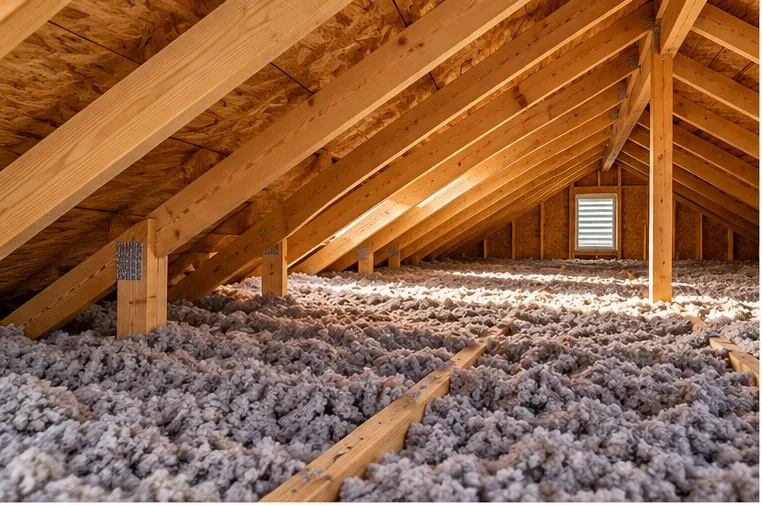
No US energy code sets requirements by state name — they are set by climate zone, which follows temperature and humidity rather than borders. A state's row below is its dominant zone. For most states that is the whole story; for nine of them it is not.
Every state
Attic and wall figures are the recommended targets for that zone. The cost column is a professional install over a 1,500 sq ft attic, adjusted by the regional labour factor the calculator uses.
| State | Zone | Attic | Wall | Typical attic cost |
|---|---|---|---|---|
| Alabama | Zone 3 | R-60 | R-20 | $1700–$3400 |
| Alaska | Zone 7 | R-60 | R-21 | $2050–$4150 |
| Arizonaspans zones | Zone 2 | R-60 | R-13 | $1700–$3400 |
| Arkansas | Zone 3 | R-60 | R-20 | $1700–$3400 |
| Californiaspans zones | Zone 3 | R-60 | R-20 | $1700–$3400 |
| Colorado | Zone 5 | R-60 | R-20 | $1900–$3800 |
| Connecticut | Zone 5 | R-60 | R-20 | $1900–$3800 |
| Delaware | Zone 4 | R-60 | R-20 | $1800–$3600 |
| District of Columbia | Zone 4 | R-60 | R-20 | $1800–$3600 |
| Florida | Zone 2 | R-60 | R-13 | $1700–$3400 |
| Georgia | Zone 3 | R-60 | R-20 | $1700–$3400 |
| Hawaii | Zone 1 | R-49 | R-13 | $1800–$3600 |
| Idahospans zones | Zone 6 | R-60 | R-21 | $1900–$3800 |
| Illinois | Zone 5 | R-60 | R-20 | $1900–$3800 |
| Indiana | Zone 5 | R-60 | R-20 | $1900–$3800 |
| Iowa | Zone 6 | R-60 | R-21 | $1900–$3800 |
| Kansas | Zone 4 | R-60 | R-20 | $1800–$3600 |
| Kentucky | Zone 4 | R-60 | R-20 | $1800–$3600 |
| Louisiana | Zone 2 | R-60 | R-13 | $1700–$3400 |
| Maine | Zone 6 | R-60 | R-21 | $1900–$3800 |
| Maryland | Zone 4 | R-60 | R-20 | $1800–$3600 |
| Massachusetts | Zone 5 | R-60 | R-20 | $1900–$3800 |
| Michigan | Zone 6 | R-60 | R-21 | $1900–$3800 |
| Minnesota | Zone 6 | R-60 | R-21 | $1900–$3800 |
| Mississippi | Zone 3 | R-60 | R-20 | $1700–$3400 |
| Missouri | Zone 4 | R-60 | R-20 | $1800–$3600 |
| Montana | Zone 6 | R-60 | R-21 | $1900–$3800 |
| Nebraska | Zone 5 | R-60 | R-20 | $1900–$3800 |
| Nevadaspans zones | Zone 3 | R-60 | R-20 | $1700–$3400 |
| New Hampshire | Zone 6 | R-60 | R-21 | $1900–$3800 |
| New Jersey | Zone 4 | R-60 | R-20 | $1800–$3600 |
| New Mexicospans zones | Zone 4 | R-60 | R-20 | $1800–$3600 |
| New Yorkspans zones | Zone 5 | R-60 | R-20 | $1900–$3800 |
| North Carolina | Zone 3 | R-60 | R-20 | $1700–$3400 |
| North Dakota | Zone 7 | R-60 | R-21 | $2050–$4150 |
| Ohio | Zone 5 | R-60 | R-20 | $1900–$3800 |
| Oklahoma | Zone 3 | R-60 | R-20 | $1700–$3400 |
| Oregonspans zones | Zone 4 | R-60 | R-20 | $1800–$3600 |
| Pennsylvania | Zone 5 | R-60 | R-20 | $1900–$3800 |
| Rhode Island | Zone 5 | R-60 | R-20 | $1900–$3800 |
| South Carolina | Zone 3 | R-60 | R-20 | $1700–$3400 |
| South Dakota | Zone 6 | R-60 | R-21 | $1900–$3800 |
| Tennessee | Zone 4 | R-60 | R-20 | $1800–$3600 |
| Texasspans zones | Zone 2 | R-60 | R-13 | $1700–$3400 |
| Utah | Zone 5 | R-60 | R-20 | $1900–$3800 |
| Vermont | Zone 6 | R-60 | R-21 | $1900–$3800 |
| Virginia | Zone 4 | R-60 | R-20 | $1800–$3600 |
| Washingtonspans zones | Zone 4 | R-60 | R-20 | $1800–$3600 |
| West Virginia | Zone 5 | R-60 | R-20 | $1900–$3800 |
| Wisconsin | Zone 6 | R-60 | R-21 | $1900–$3800 |
| Wyoming | Zone 6 | R-60 | R-21 | $1900–$3800 |
The 9 states where the row is not enough
These span several climate zones, often two or three, and the difference between them is real money — a target can move by R-11 or more from one end of a state to the other. Looking up by ZIP is the only reliable answer here.
- Arizona — mostly zone 2 (Zone 2 — Hot), but not everywhere.
- California — mostly zone 3 (Zone 3 — Warm), but not everywhere.
- Idaho — mostly zone 6 (Zone 6 — Cold), but not everywhere.
- Nevada — mostly zone 3 (Zone 3 — Warm), but not everywhere.
- New Mexico — mostly zone 4 (Zone 4 — Mixed), but not everywhere.
- New York — mostly zone 5 (Zone 5 — Cool), but not everywhere.
- Oregon — mostly zone 4 (Zone 4 — Mixed), but not everywhere.
- Texas — mostly zone 2 (Zone 2 — Hot), but not everywhere.
- Washington — mostly zone 4 (Zone 4 — Mixed), but not everywhere.
California is the clearest case: the coast, the Central Valley and the Sierra are not the same climate in any useful sense, and a single state figure is wrong for most of it.
Code minimum against what is worth installing
The figures above are recommended targets, which are generally higher than the code minimum in force where you live. Those are different numbers with different purposes: code is the floor a builder must not go below, and the recommendation is where the payback still makes sense.
Adoption also lags. Many states are still enforcing an older edition of the IECC, and some amend it locally — so your permit office may require less than the current model code says. Insulating to the recommendation rather than the minimum is almost always the better buy in an attic, where depth costs little beyond material.